NASA has officially announced a delay in its Artemis II mission, the first crewed flight to the moon since the Apollo program, which is now set to launch no earlier than 2025. This postponement is attributed to a combination of technical challenges and logistical hurdles that have arisen during the preparation stages of the mission.
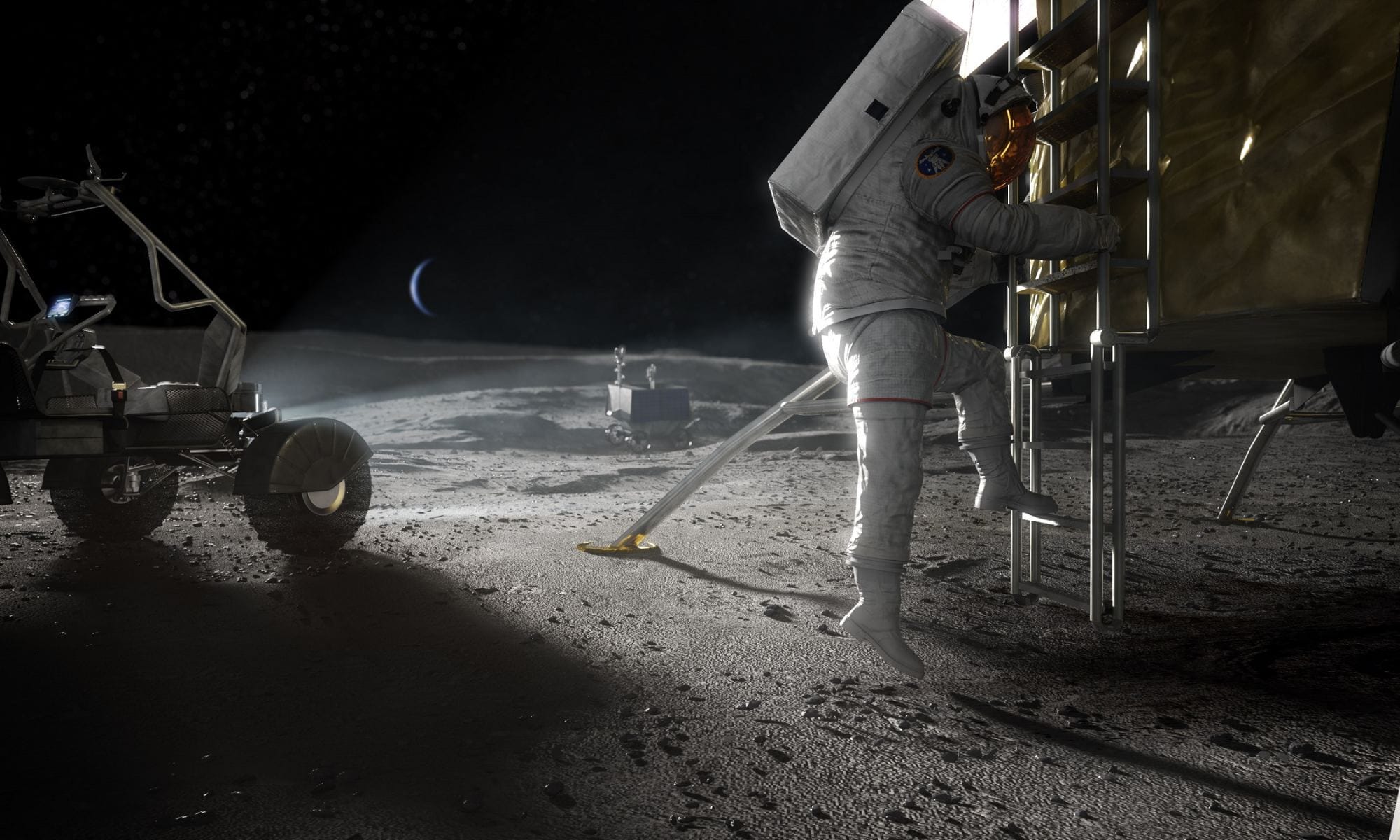
The Artemis II mission, which aims to send a crew of astronauts around the moon, is a significant milestone in NASA’s broader Artemis program, which seeks to establish a sustainable human presence on the lunar surface by the end of the decade. The mission was initially slated for late 2024, but officials have now confirmed that additional time is needed to ensure the safety and success of the mission.
NASA Administrator Bill Nelson emphasized the importance of thorough preparation, stating, “Safety is our top priority, and we will take the necessary time to ensure that our astronauts are ready for this historic journey.”
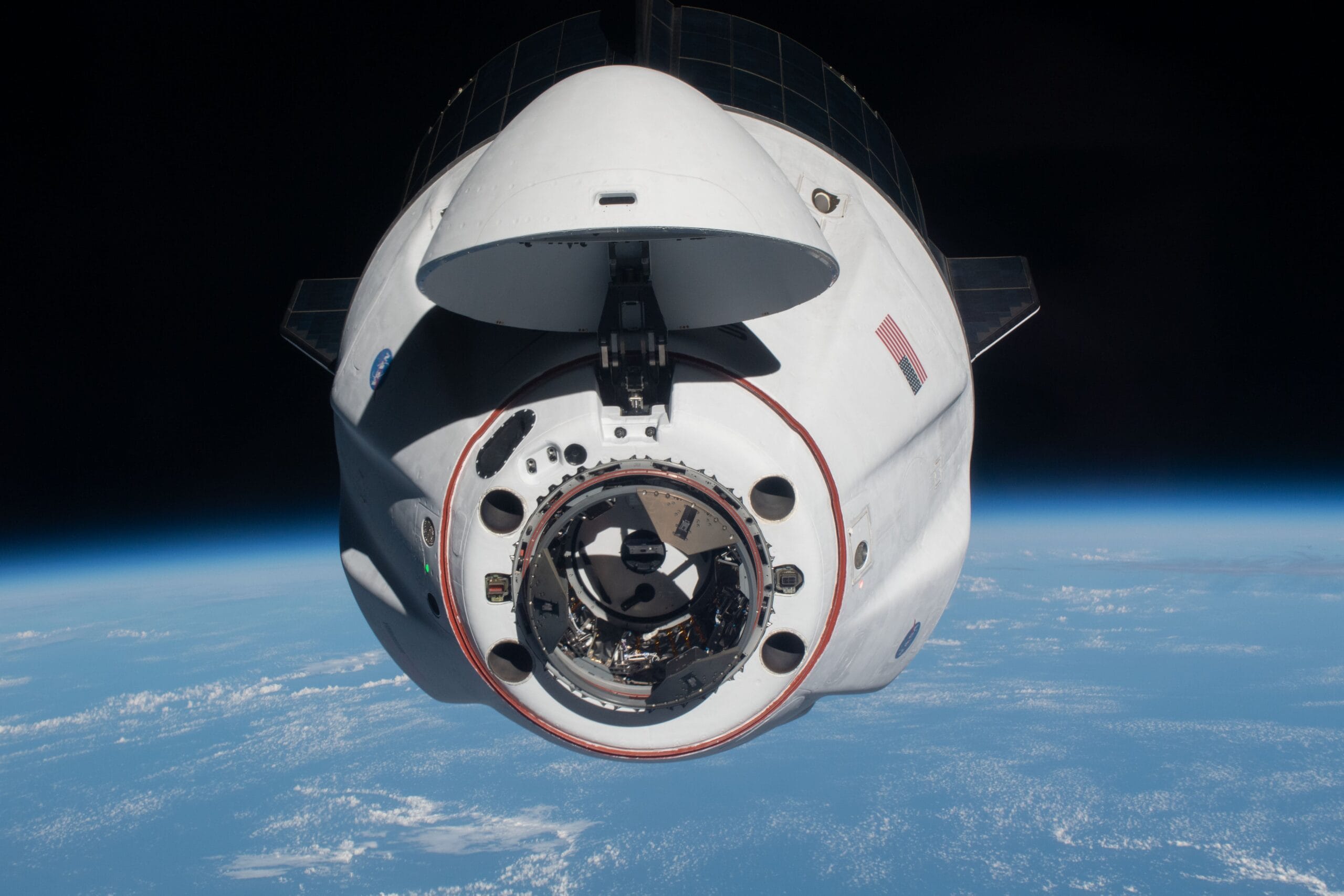
This delay follows a series of challenges faced by the Artemis program, including issues with the Space Launch System (SLS) rocket and the Orion spacecraft. The SLS, which is designed to be the most powerful rocket ever built, has undergone extensive testing, but technical setbacks have pushed back timelines.
Moreover, NASA’s Artemis I mission, an uncrewed test flight that successfully orbited the moon in late 2022, provided valuable data but also highlighted areas needing improvement for crewed missions.
As the agency works to address these challenges, it remains committed to its goal of returning humans to the moon and paving the way for future exploration of Mars. The Artemis II crew, which has yet to be officially announced, is expected to include astronauts from diverse backgrounds, continuing NASA’s push for inclusivity in space exploration.
While the delay is disappointing for many space enthusiasts and stakeholders, it reflects NASA’s dedication to ensuring the highest standards of safety and operational readiness. The agency is also continuing to engage with international partners and private sector companies to support the Artemis program, aiming for a collaborative approach to lunar exploration.
As preparations for Artemis II continue, NASA is also looking ahead to Artemis III, which aims to land astronauts on the lunar surface in 2026. The agency remains optimistic that with careful planning and execution, the Artemis program will achieve its ambitious goals, ushering in a new era of lunar exploration and scientific discovery.