NASA’s Artemis program, a highly anticipated series of missions aimed at returning humans to the lunar surface, has faced yet another setback. The agency has announced a delay in the program, citing technical issues and funding constraints as the primary reasons. This news comes as a disappointment to space enthusiasts and raises concerns about the feasibility of meeting the ambitious deadline set by NASA.
The Artemis program was launched in 2019 with the goal of sending the first woman and the next man to the lunar surface by 2025. The program is a critical step towards establishing a sustainable human presence on the Moon and eventually sending humans to Mars. However, the development of the Space Launch System (SLS) rocket and the Orion spacecraft, two critical components of the program, has been plagued by technical issues and funding constraints.
The SLS rocket, which is being developed by Boeing, has faced significant delays and cost overruns. The rocket’s core stage, which is the main structural component of the rocket, has experienced several technical issues, including a faulty engine controller and a faulty fuel tank. These issues have resulted in a significant delay in the rocket’s development, which has, in turn, impacted the overall timeline of the Artemis program.
The Orion spacecraft, which is being developed by Lockheed Martin, has also faced technical issues. The spacecraft’s heat shield, which is designed to protect the spacecraft from the intense heat generated during re-entry into Earth’s atmosphere, has experienced several problems, including a faulty design and manufacturing issues. These issues have resulted in a delay in the spacecraft’s development, which has further impacted the overall timeline of the Artemis program.
In addition to the technical issues, the Artemis program has also faced funding constraints. The program’s budget has been reduced several times, which has resulted in a significant reduction in the program’s scope and timeline. The funding constraints have also impacted the development of the SLS rocket and the Orion spacecraft, which has further delayed the program.
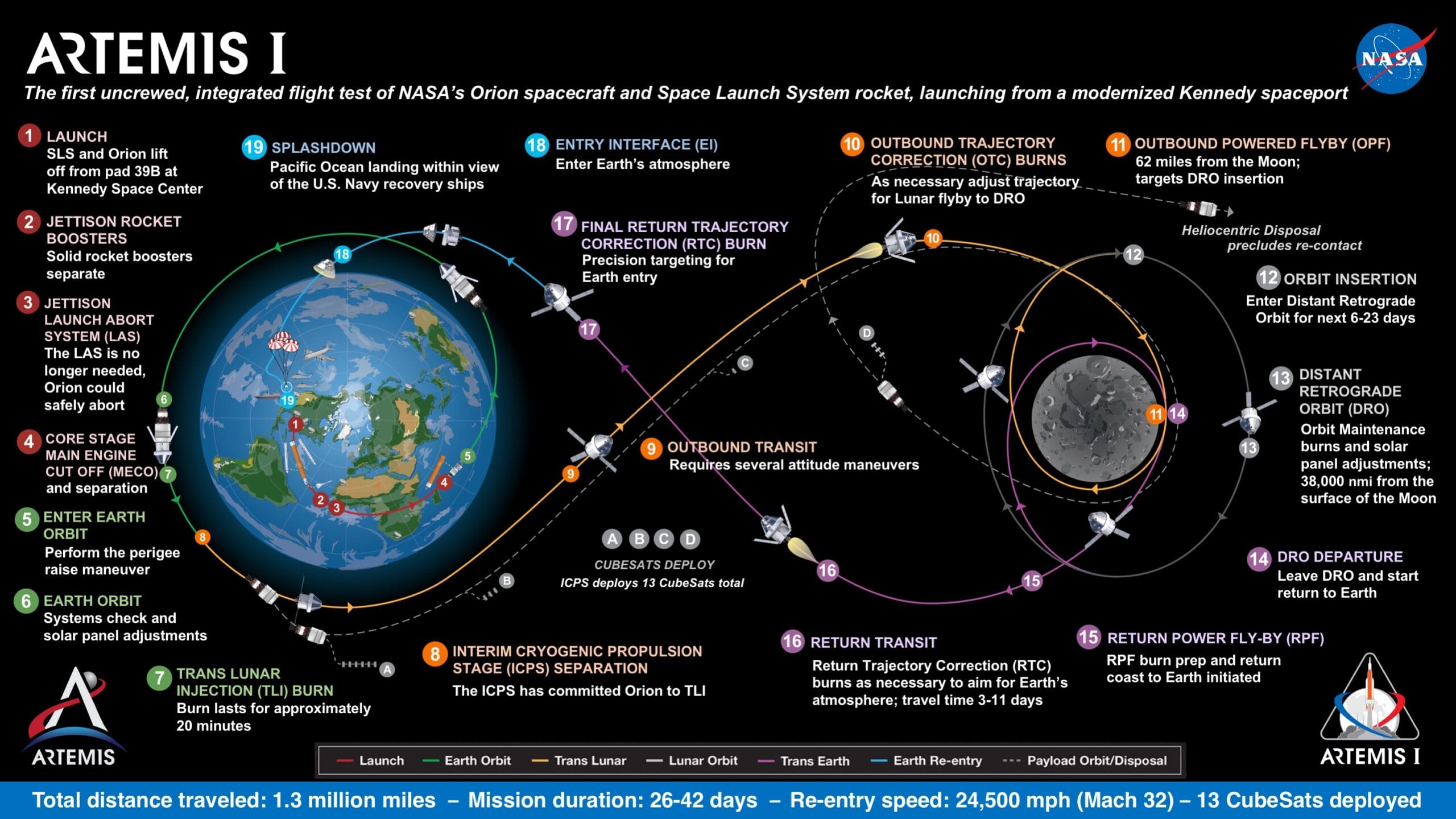
The delay in the Artemis program has significant implications for NASA’s plans to establish a sustainable human presence on the Moon. The agency had planned to send several missions to the Moon in the coming years, including the uncrewed Artemis I mission, which was scheduled to launch in 2022. However, the delay in the program has resulted in a significant reduction in the number of missions that will be sent to the Moon in the coming years.
Despite the setbacks, NASA remains committed to the Artemis program and is working to resolve the technical and funding issues that have impacted the program. The agency has announced plans to conduct several reviews of the program, including a review of the SLS rocket’s development and a review of the Orion spacecraft’s development. These reviews are aimed at identifying the root causes of the technical issues and developing a plan to resolve them.
NASA has also announced plans to conduct several tests of the SLS rocket and the Orion spacecraft in the coming months. These tests are aimed at validating the performance of the rocket and the spacecraft and identifying any technical issues that need to be addressed. The tests will be critical in determining the feasibility of meeting the ambitious deadline set by NASA.
In conclusion, the delay in the Artemis program is a significant setback for NASA’s plans to establish a sustainable human presence on the Moon. However, the agency remains committed to the program and is working to resolve the technical and funding issues that have impacted the program. The success of the Artemis program will depend on NASA’s ability to resolve these issues and meet the ambitious deadline set by the agency.
The Artemis program is a critical step towards establishing a sustainable human presence on the Moon and eventually sending humans to Mars. The program has the potential to revolutionize our understanding of space and pave the way for a new era of space exploration. However, the program’s success will depend on NASA’s ability to overcome the technical and funding challenges that have impacted the program.
As the space agency works to resolve these issues, it is essential to recognize the significance of the Artemis program and its potential impact on the future of space exploration. The program has the potential to inspire a new generation of scientists, engineers, and astronauts, and its success will depend on NASA’s ability to overcome the challenges that lie ahead.