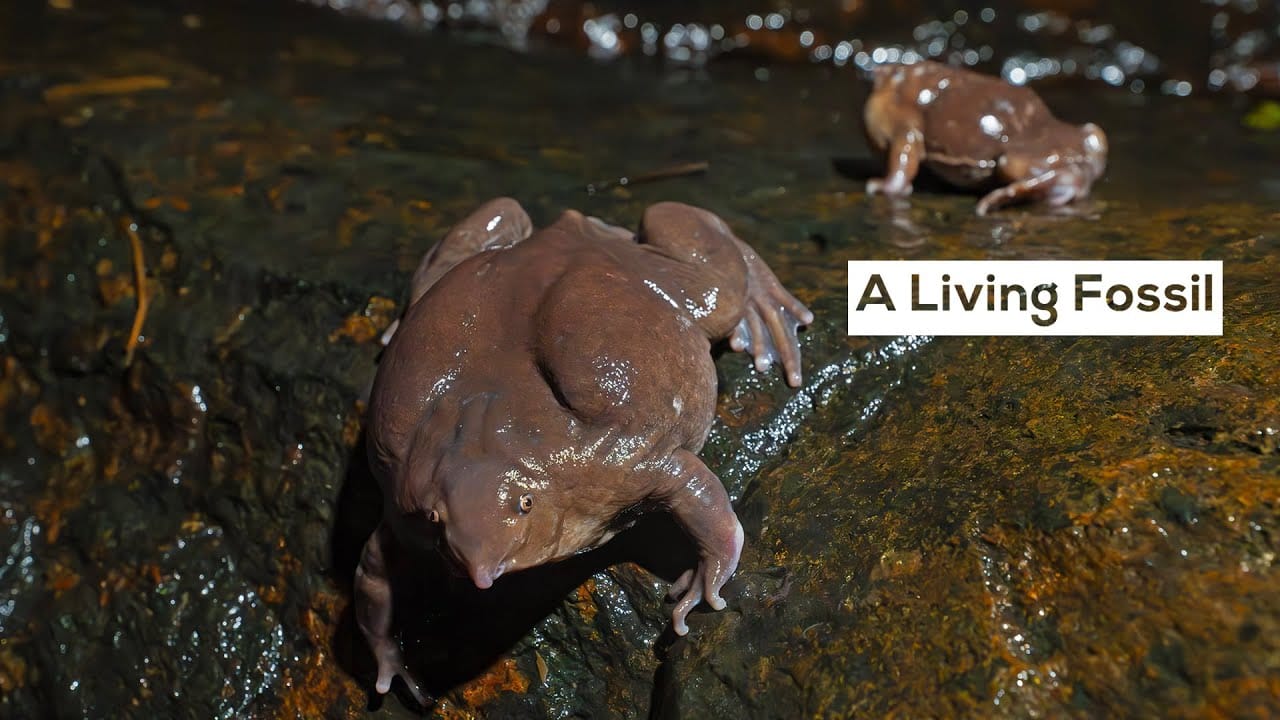
The purple frog, scientifically known as *Nasikabatrachus sahyadrensis*, is a remarkable amphibian that has captivated scientists and nature enthusiasts alike since its discovery in 2003. This extraordinary species is native to the Western Ghats of India and is often referred to as a ‘living fossil’ due to its ancient lineage that dates back over 80 million years, to a time when dinosaurs roamed the Earth. Its unique appearance and behavior have made it a subject of significant interest in the field of evolutionary biology.
The purple frog is characterized by its distinct purple-hued skin, which serves as a form of camouflage in its natural habitat. Unlike most frogs, which are known for their vocalizations, the purple frog is relatively silent. It spends the majority of its life underground, emerging only during the monsoon season to breed. This adaptation not only helps it evade predators but also allows it to conserve moisture in its humid environment. The purple frog’s reproductive habits are particularly intriguing; females lay their eggs in temporary pools formed by monsoon rains, where the tadpoles can develop before the water dries up.
Despite its fascinating biology, the purple frog faces significant threats due to habitat loss and climate change. The Western Ghats, a UNESCO World Heritage site, are experiencing deforestation and fragmentation, which disrupts the frog’s breeding and feeding grounds. Conservation efforts are underway to protect this unique species and its habitat. Organizations such as the Wildlife Trust of India and the IUCN have recognized the purple frog as a species of concern, emphasizing the need for sustainable practices to preserve its environment.
Researchers continue to study the purple frog to better understand its evolutionary history and ecological role. Recent studies have highlighted its importance in maintaining the health of the ecosystem by controlling insect populations and contributing to soil aeration through its burrowing activities. As scientists delve deeper into the life of this ancient amphibian, they hope to uncover more secrets about its adaptations and resilience.
In conclusion, the purple frog stands as a testament to the wonders of evolution and the importance of biodiversity. As we learn more about this living fossil, it serves as a reminder of the delicate balance of nature and the urgent need to protect our planet’s unique species. The survival of the purple frog is not just crucial for its own lineage but also for the broader ecological tapestry of the Western Ghats.
For more information on the purple frog and conservation efforts, visit the Wildlife Trust of India at https://www.wti.org.in and the IUCN Red List at https://www.iucnredlist.org/species/16950/50194943.