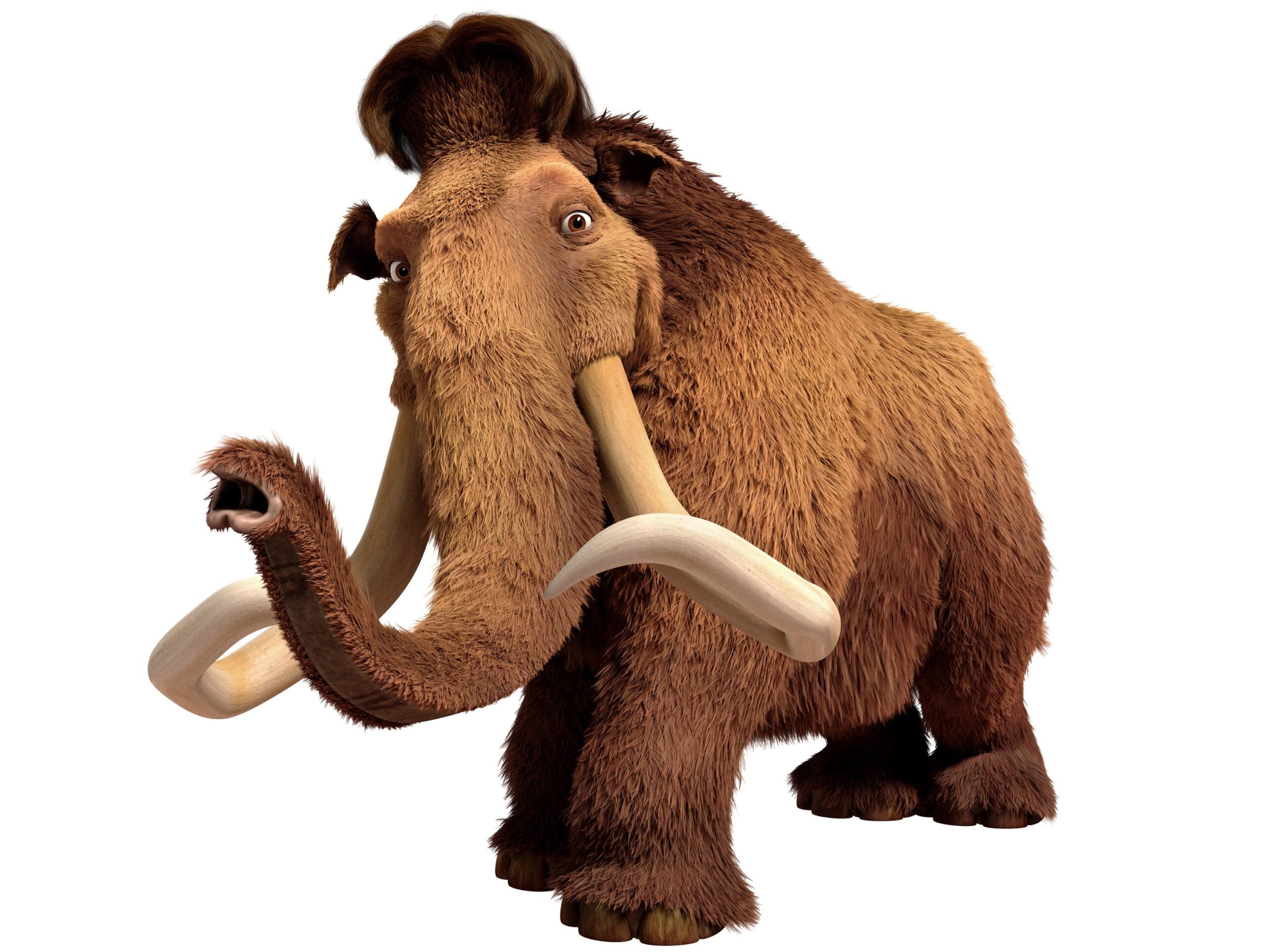
A groundbreaking study published in the journal ‘Nature’ has shed light on the dietary habits of Ice Age humans, particularly their reliance on mammoth meat as a primary source of nutrition. This research, conducted by an international team of archaeologists and anthropologists, analyzed ancient remains and tools discovered at various sites across Europe and Asia, providing new insights into the survival strategies of early humans during the Pleistocene epoch.
The study highlights that mammoths were not just a food source; they played a crucial role in the social dynamics of Ice Age communities. Evidence suggests that hunting and sharing mammoth meat fostered social bonds among groups, promoting cooperation and communal living. As lead researcher Dr. Emily Thompson notes, “The successful hunt of a mammoth would require coordinated efforts, which likely strengthened social ties and established complex social structures.”
Using isotopic analysis of bones and teeth, the researchers were able to determine the dietary patterns of early humans, revealing that mammoth meat constituted a significant portion of their diet. This finding aligns with previous theories about the importance of large game hunting in prehistoric cultures.
Additionally, the study discusses the technological advancements that arose from the necessity of hunting such massive animals. The development of specialized tools, such as large spear points and communal hunting strategies, indicates that early humans were not only skilled hunters but also innovators in their quest for survival.
The implications of this research extend beyond understanding diet; it offers a glimpse into the resilience and adaptability of early human populations in the face of environmental challenges. As climate change continues to impact modern ecosystems, studying how our ancestors thrived in extreme conditions may provide valuable lessons for contemporary societies.
This study is part of a growing body of research aimed at understanding the complexities of human evolution and adaptation. With further excavations and advancements in technology, scientists hope to uncover even more about the lives of our prehistoric ancestors and their interactions with megafauna like the mammoth.
For more information, the full study can be accessed in the latest issue of ‘Nature’.