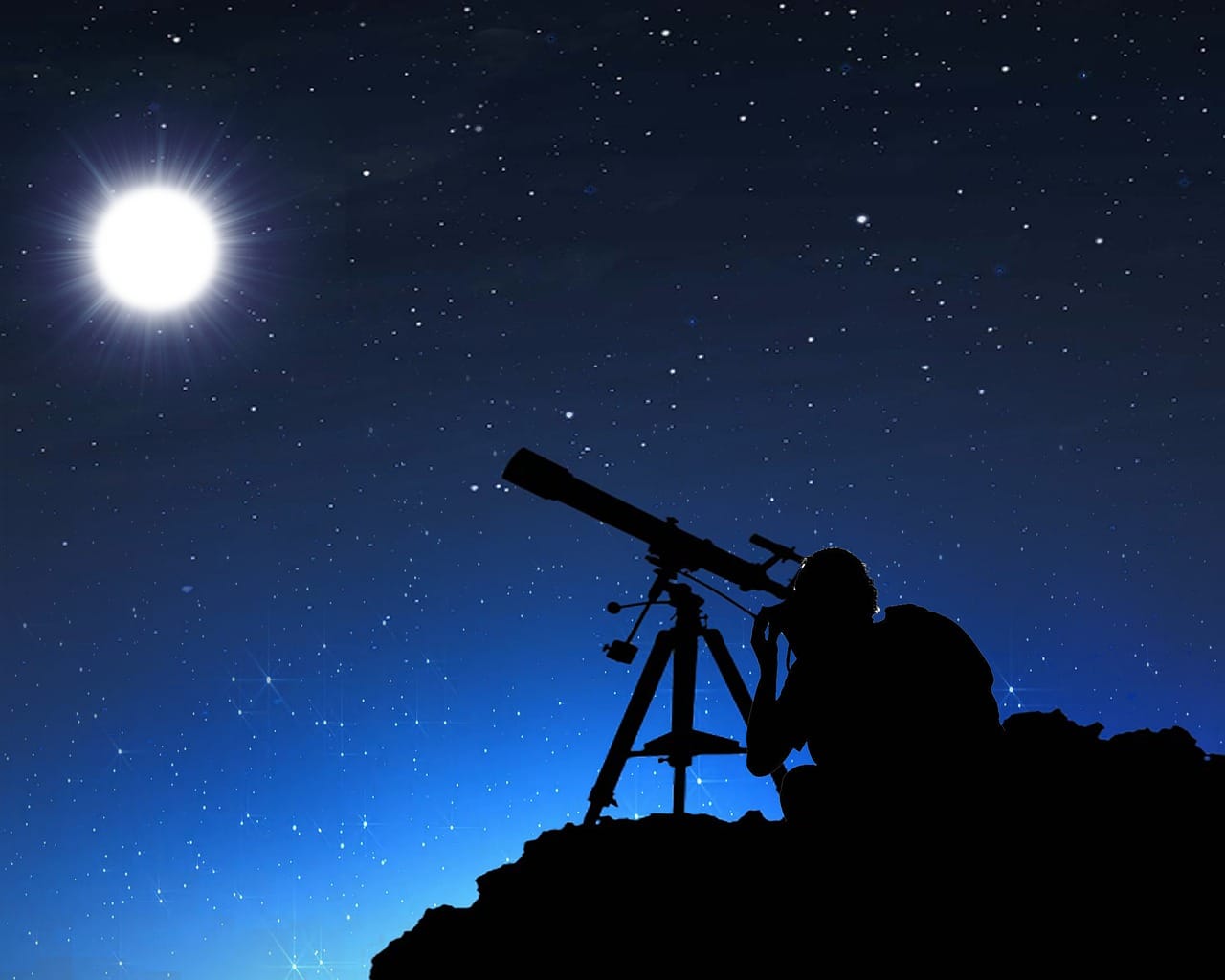
As the new year begins, January 2025 presents a wealth of opportunities for skywatching enthusiasts. With a mix of meteor showers, planetary alignments, and the visibility of celestial bodies, this month promises to be an exciting time for both amateur astronomers and seasoned stargazers. NASA has compiled a list of tips and events that can help maximize your skywatching experience during this month.
One of the most notable events in January is the Quadrantid meteor shower, which is known for producing bright fireballs and can be one of the most prolific meteor showers of the year. This year, the peak of the Quadrantids will occur on the night of January 3 into the early hours of January 4. Observers can expect to see up to 120 meteors per hour under optimal conditions. To catch the best view, it is recommended to find a dark location away from city lights, lie back, and allow your eyes to adjust to the darkness. The meteors appear to radiate from the constellation Boötes, but they can be seen throughout the sky.
In addition to the meteor shower, January 2025 offers a unique opportunity to observe the planets. Throughout the month, several planets will be visible in the evening sky. Jupiter and Saturn will be particularly prominent, appearing bright and easily identifiable. Observers should look for Jupiter, which will be visible in the southwestern sky after sunset. Its brightness and distinct appearance make it one of the easiest planets to locate. Saturn will be nearby, providing an excellent chance to observe its rings through a telescope. For those who do not have access to a telescope, binoculars can also enhance the viewing experience.
Another celestial highlight this month is the visibility of the moon. On January 11, a waxing gibbous moon will provide a splendid sight. The moon’s surface features, including craters and maria, will be visible even with the naked eye, but a telescope or binoculars will reveal more detail. On January 18, the full moon will occur, known as the Wolf Moon, which is traditionally associated with the time of year when wolves would howl in hunger. This full moon will be particularly bright and can create stunning views against the winter night sky.
For those interested in deep-sky objects, January is a great time to explore constellations and star clusters. The winter sky is rich with prominent constellations such as Orion, Taurus, and Gemini. The Orion Nebula, located in the Orion constellation, is one of the brightest nebulae visible to the naked eye and can be observed even from urban areas. With a telescope, observers can see the intricate details of this stellar nursery, where new stars are being born.
NASA emphasizes the importance of preparation when it comes to skywatching. Observers should check local weather conditions to ensure clear skies and plan their viewing times around the best celestial events. It is also beneficial to familiarize oneself with a star chart or a skywatching app to help identify constellations and celestial bodies. These tools can provide context and enhance the overall experience, making it more enjoyable and educational.
For those new to skywatching, NASA recommends starting with simple equipment. A pair of binoculars can significantly enhance the viewing experience, allowing observers to see details that are invisible to the naked eye. As interest grows, individuals may consider investing in a telescope for a more in-depth exploration of the night sky. However, even without advanced equipment, the beauty of the night sky can be appreciated simply by lying back and enjoying the view.
Safety is also a key consideration for skywatchers. Observers should ensure they are in a safe location, particularly if they are venturing into dark areas. Bringing along a friend or family member can enhance the experience and provide additional safety. Additionally, it is advisable to dress warmly, as January nights can be quite cold in many regions.
In conclusion, January 2025 offers a rich tapestry of skywatching opportunities. From the dazzling Quadrantid meteor shower to the visibility of planets and the enchanting full moon, this month invites individuals to step outside and connect with the cosmos. By following NASA’s tips and preparing adequately, both novice and experienced stargazers can create memorable experiences under the night sky. Whether you are observing the stars for the first time or looking to deepen your understanding of astronomy, January is a perfect time to embrace the wonders of the universe.