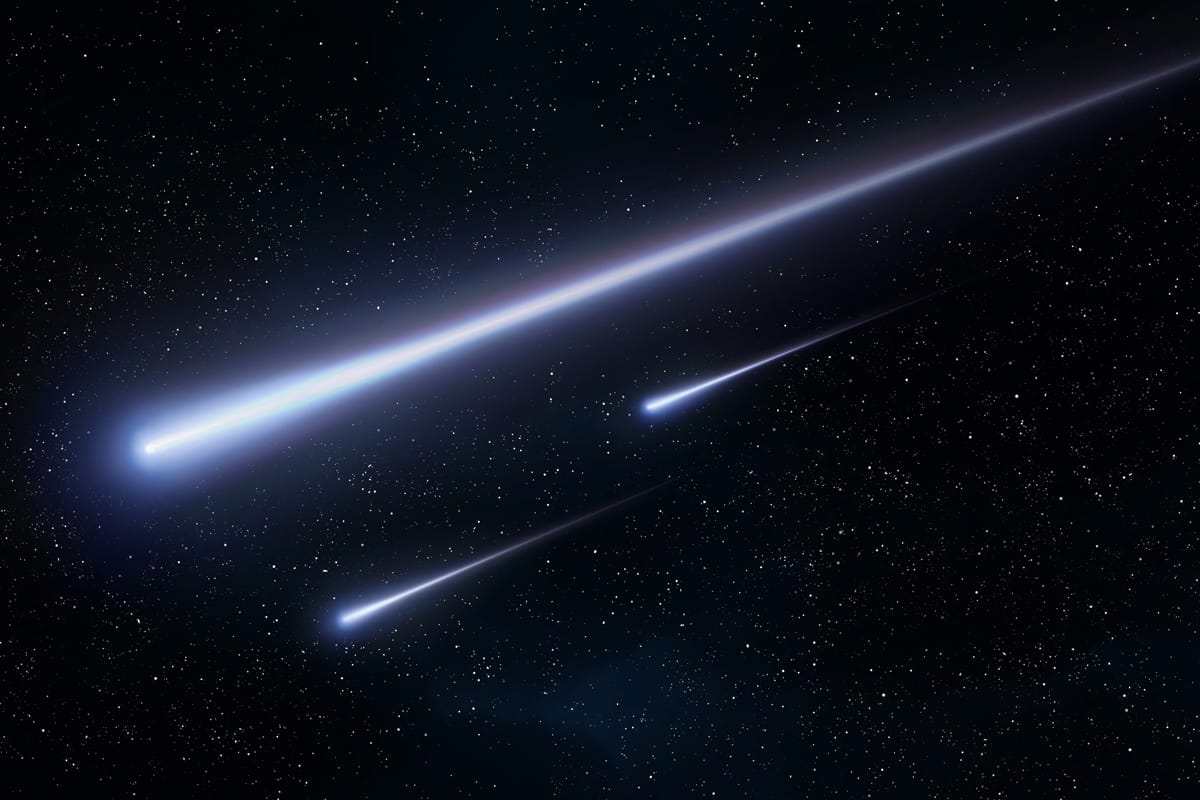
The Geminid meteor shower is an astronomical phenomenon that captivates skywatchers each year, typically peaking around mid-December. This year, the shower is expected to reach its maximum visibility, providing an excellent opportunity for enthusiasts and casual observers alike to witness stunning fireballs streaking across the night sky. The Geminids are unique among meteor showers due to their origin; they are associated with the asteroid 3200 Phaethon, rather than a comet, which is the source of most other meteor showers.
The Geminids are renowned for their brightness and the number of meteors they produce. With the potential to exceed 100 meteors per hour under optimal conditions, this shower is considered one of the most active of the year. Observers are likely to see a variety of meteors, including bright fireballs that can illuminate the sky. The meteor shower is named after the constellation Gemini, as the meteors appear to radiate from this area of the sky.
For those planning to observe the Geminid meteor shower, timing and location are crucial factors. The best time to view the meteors is typically after midnight, when the radiant point in Gemini is highest in the sky. However, meteors can be seen as soon as the sky becomes dark, so early evening viewers may also catch a glimpse of the display. The meteors are often visible until dawn, making it possible for night owls and early risers to enjoy the spectacle.
To enhance the viewing experience, it is advisable to find a location with minimal light pollution. Urban areas with bright city lights can significantly hinder visibility, so moving to a more rural area or a designated dark sky park can make a substantial difference. Additionally, observers should allow their eyes to adjust to the darkness for about 20 minutes to maximize their ability to see faint meteors.
Weather conditions also play a critical role in the visibility of the meteor shower. Clear skies are essential for optimal viewing, as clouds can obscure the view of the meteors. It is recommended to check local weather forecasts leading up to the event to ensure that conditions will be favorable. If clouds are present, observers may need to be flexible and consider traveling to a nearby area with clearer skies.
In terms of safety and comfort, it is wise to dress warmly, as December nights can be quite cold in many regions. Bringing along blankets or reclining chairs can make the experience more enjoyable, allowing observers to lie back and take in the night sky comfortably. Snacks and warm beverages can also enhance the experience, making it a pleasant outing for families and friends.
As the Geminid meteor shower progresses, it is important to note that the meteors can vary in brightness and speed. Some may appear as quick flashes, while others may linger longer, leaving trails across the sky. The colors of the meteors can also differ, with some displaying hues of green, blue, or red, depending on their composition and the speed at which they enter the Earth’s atmosphere.
In conclusion, the Geminid meteor shower is a remarkable event that offers a unique opportunity for skywatchers to connect with the cosmos. With proper planning, including choosing the right time and location, observers can enjoy a spectacular display of meteors. Whether you are an experienced astronomer or a casual observer, the Geminids promise an awe-inspiring experience that highlights the beauty of our universe.