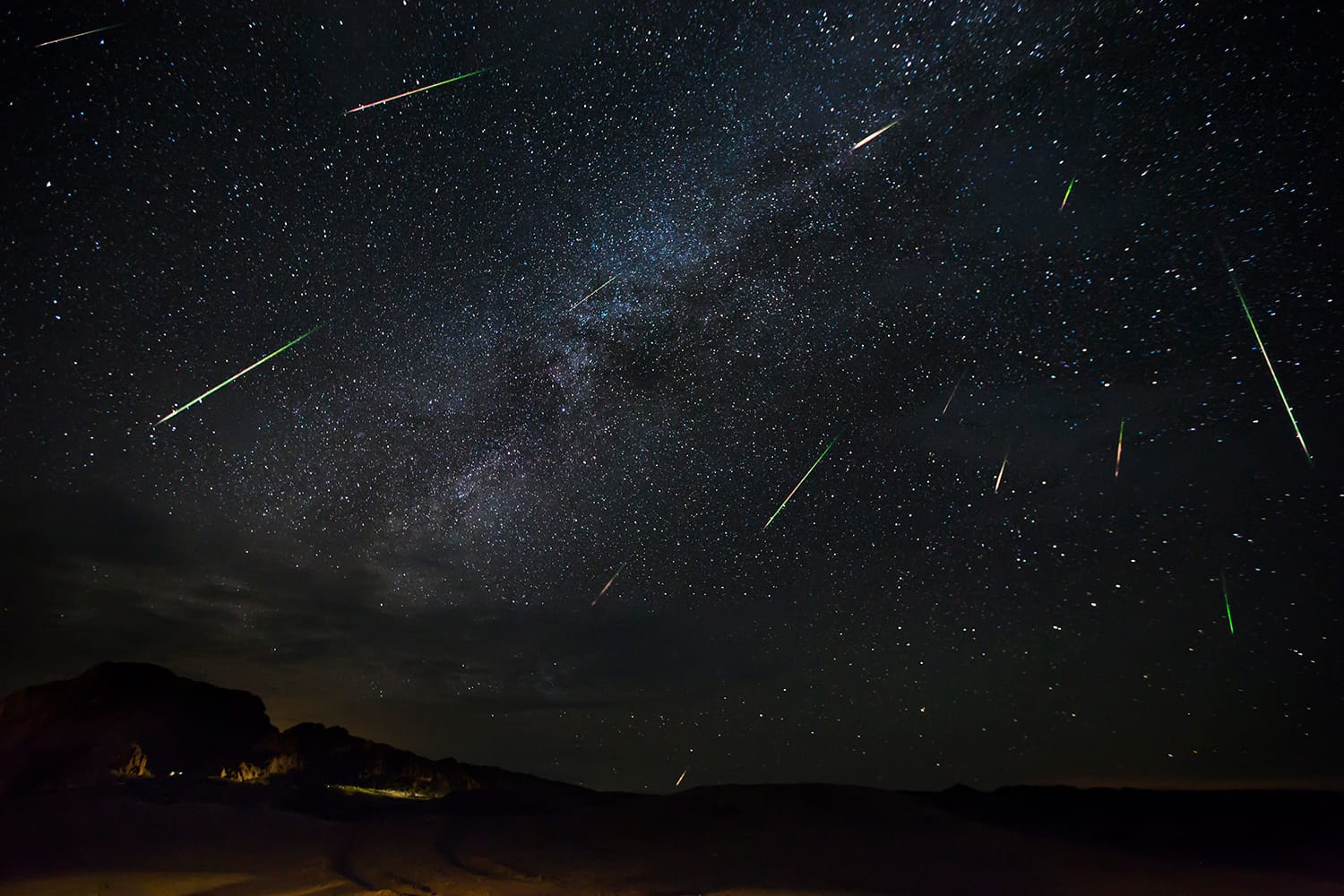
The beginning of a new year often brings with it a sense of renewal and anticipation, and for astronomy enthusiasts, January 2025 will be particularly special. NASA has revealed that the first meteor shower of the year is expected to deliver an impressive display, with projections indicating the potential for up to 120 meteors per hour. This meteor shower, which is part of the Quadrantids, is renowned for its bright fireballs and is anticipated to offer a captivating spectacle for skywatchers around the world.
The Quadrantids are one of the most active meteor showers, typically peaking in early January. They are known for their high meteor count and the brilliance of their fireballs, which can illuminate the night sky. The meteor shower is named after the now-obsolete constellation Quadrans Muralis, which was located between the constellations of Boötes and Hercules. While the constellation is no longer recognized, the meteor shower continues to be celebrated for its striking visual display.
NASA’s predictions for the 2025 Quadrantids suggest that conditions may be particularly favorable for viewing this year. The peak activity is expected to occur during the night of January 3rd into the early hours of January 4th. During this time, observers may witness a flurry of meteors streaking across the sky, with some of these meteors potentially reaching impressive speeds of up to 41 miles per second as they enter the Earth’s atmosphere.
The Quadrantid meteor shower is unique not only for its high meteor count but also for the nature of its meteors. Many of the meteors produced during this shower are classified as fireballs, which are larger and brighter than typical meteors. Fireballs can create a stunning visual effect as they blaze through the atmosphere, often leaving behind a trail of light that can linger for several seconds. This phenomenon is particularly exciting for both amateur and professional astronomers, as fireballs can provide valuable data for research on meteoroids and their origins.
To maximize the viewing experience, NASA recommends that observers find a location away from city lights, ideally in a dark area with a clear view of the sky. The best way to watch the meteor shower is to lie back and allow the eyes to adjust to the darkness. This adjustment period can take about 20 minutes, and it will enhance the ability to see fainter meteors. It is advisable to dress warmly and bring a blanket or reclining chair for comfort, as the viewing may last for several hours.
In addition to the Quadrantids, January also marks the beginning of a new year of celestial events. The month is typically filled with opportunities to observe various astronomical phenomena, including planetary alignments and other meteor showers. Each event provides a unique experience, further enriching the understanding and appreciation of the night sky.
NASA’s announcement of the Quadrantids meteor shower is part of its ongoing efforts to engage the public in astronomy and space science. By sharing information about upcoming celestial events, the agency aims to inspire interest in space exploration and the sciences. Events like meteor showers serve as a reminder of the vastness of the universe and the dynamic processes that occur within it.
For those who may not have the opportunity to observe the meteor shower in person, NASA often provides live streams and educational resources related to significant astronomical events. These initiatives ensure that even those unable to step outside can still participate in the excitement of the Quadrantids and other celestial happenings.
As the date of the meteor shower approaches, stargazers and astronomy enthusiasts are encouraged to mark their calendars for this spectacular event. The combination of favorable viewing conditions and the potential for a high meteor count makes the first meteor shower of 2025 an occasion not to be missed. Whether you are an experienced observer or a novice stargazer, the Quadrantids promise to deliver a breathtaking display of natural beauty and cosmic wonder.
In conclusion, the first meteor shower of 2025 is shaping up to be a remarkable event, with NASA predicting the possibility of up to 120 meteors per hour. The Quadrantids are known for their fireballs and high meteor counts, making this a must-see event for anyone interested in astronomy. As January approaches, preparations for viewing the meteor shower should begin, ensuring that all who wish to witness this celestial phenomenon are ready to enjoy the beauty of the night sky.