The relationship between early modern humans and Neanderthals has long intrigued anthropologists and geneticists alike. Recent advancements in genetic research have unveiled significant evidence that these two distinct species interbred approximately 47,000 years ago. This finding not only enriches our understanding of human evolution but also highlights the genetic legacy that Neanderthals have left in contemporary human populations.
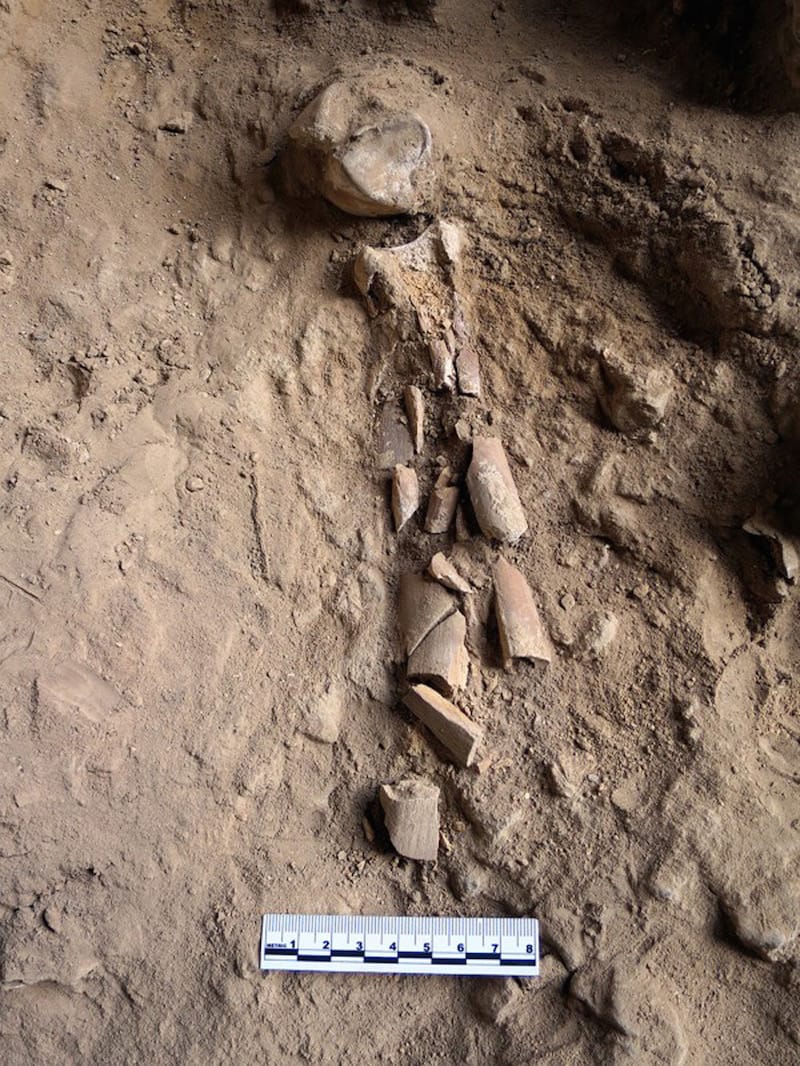
The study of ancient DNA has allowed researchers to explore the genetic makeup of early humans and their interactions with Neanderthals. By analyzing well-preserved samples from archaeological sites, scientists have been able to reconstruct the genetic lineage of these hominins. The interbreeding event is believed to have occurred when modern humans migrated out of Africa and encountered Neanderthal populations in Europe and Asia.
Neanderthals, who had been living in these regions for thousands of years, exhibited a range of physical and cultural traits. Early modern humans were likely attracted to these traits, leading to interactions that would eventually result in interbreeding. Genetic analysis indicates that non-African populations today carry approximately 1-2% of Neanderthal DNA, a testament to the lasting impact of these ancient interactions.
The implications of this interbreeding are profound. It suggests that the two species were not entirely separate but rather shared a complex relationship that included both competition and cooperation. Furthermore, the genetic contributions from Neanderthals may have influenced various aspects of modern human biology, including immune responses and adaptations to different environments.
Researchers have also discovered that the interbreeding was not a one-time event. Evidence suggests that multiple instances of interbreeding occurred over thousands of years, leading to varying degrees of Neanderthal ancestry across different human populations. For instance, populations in Europe and Asia exhibit higher levels of Neanderthal DNA compared to those in Africa, where Neanderthals were never present.
The study of Neanderthal genes has also provided insights into the health and disease susceptibility of modern humans. Certain Neanderthal-derived genes have been linked to conditions such as diabetes, Crohn’s disease, and even skin pigmentation. This connection underscores the importance of understanding our genetic heritage, as it can inform current medical research and public health initiatives.
In addition to genetic findings, archaeological evidence supports the notion of cultural exchanges between early modern humans and Neanderthals. Tools, art, and other artifacts found in sites where both species coexisted suggest that they may have shared knowledge and resources. This cultural intermingling could have played a crucial role in the survival and adaptation of early humans in new environments.
The study of Neanderthals and their interactions with modern humans continues to evolve as new technologies and methodologies are developed. Ancient DNA analysis, in particular, has revolutionized our understanding of human evolution by allowing scientists to delve deeper into the genetic history of our species. As more samples are analyzed, researchers anticipate uncovering further details about the nature of the relationships between Neanderthals and early modern humans.
In conclusion, the evidence of interbreeding between early humans and Neanderthals approximately 47,000 years ago is a significant milestone in our understanding of human evolution. It highlights the intricate web of interactions that shaped our species and emphasizes the importance of genetic diversity in contemporary populations. As research progresses, the story of human evolution will continue to unfold, revealing the complexities of our ancestry and the enduring legacy of Neanderthals in the human genome.