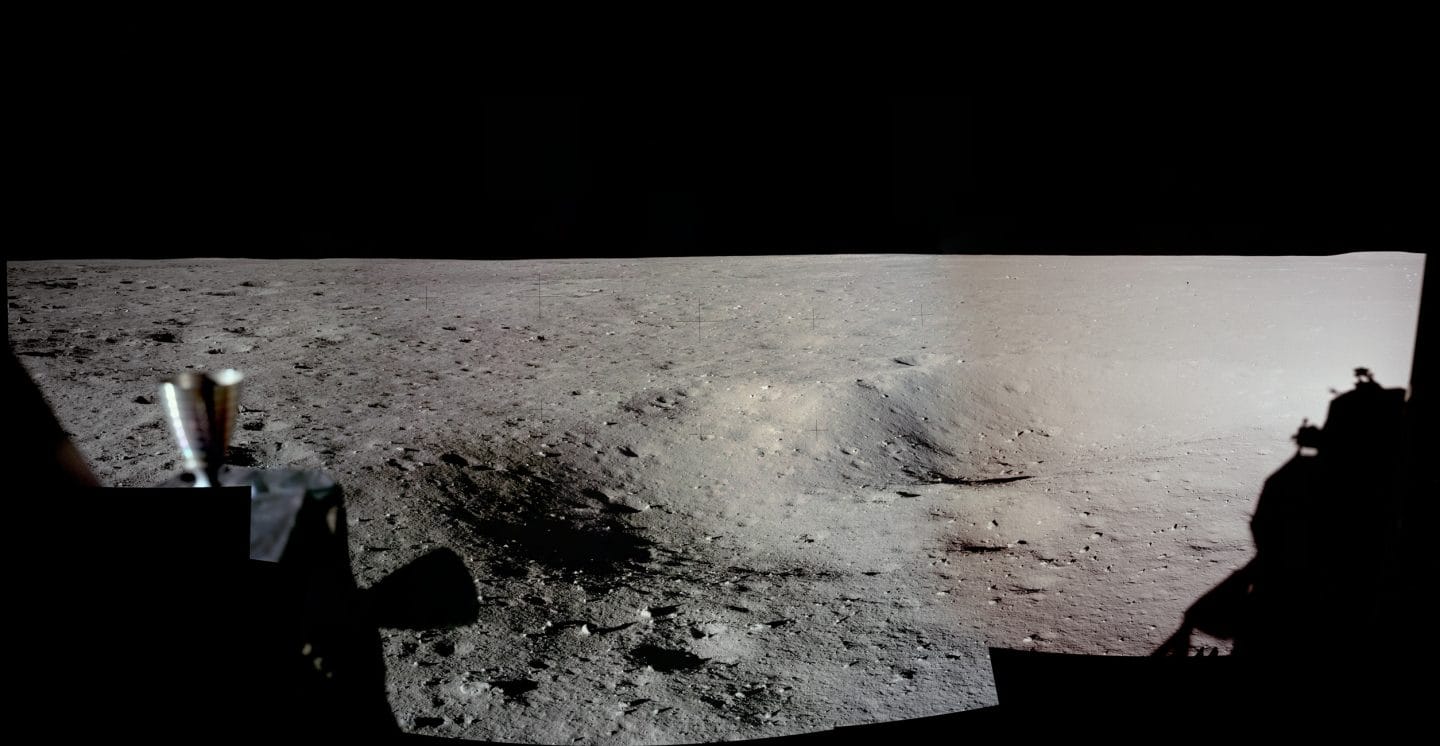
In a fascinating celestial event, Earth recently bid farewell to a temporary mini moon that had been orbiting our planet. This mini moon, designated 2020 CD3, was discovered in February 2020 and is thought to be a piece of the Moon itself, possibly a remnant from a past collision. Unlike the Moon, which has been a constant companion for billions of years, this mini moon was only a temporary visitor, orbiting Earth for about three years before it drifted away into the depths of space.
The mini moon was relatively small, measuring approximately 1.9 meters in diameter, and its presence provided astronomers with a unique opportunity to study the dynamics of small celestial bodies in Earth’s orbit. According to a study published by the Minor Planet Center, 2020 CD3 was classified as a ‘temporarily captured object’ and is one of only a few known mini moons that have been observed in Earth’s orbit.
As it made its approach, scientists were able to gather valuable data about its composition and trajectory. The mini moon’s orbit was influenced by the gravitational pull of both Earth and the Moon, showcasing the complex interactions between celestial bodies. Researchers from various institutions, including NASA and the European Space Agency, have expressed excitement over the insights gained from this brief encounter.
The departure of 2020 CD3 serves as a reminder of the dynamic nature of our solar system, where objects can be captured and released by planetary bodies. While this mini moon has now left our orbit, it has left behind a wealth of information that will aid scientists in understanding the history and evolution of our own Moon and other celestial bodies.
As we look to the future, astronomers continue to monitor the skies for similar objects, hoping to capture more mini moons and learn from their transient visits. The study of these small bodies not only enhances our knowledge of the solar system but also sparks curiosity about the origins of our own planet and its natural satellite.
For more information on this topic, you can visit the following sources:
– Minor Planet Center: https://minorplanetcenter.net
– NASA: https://nasa.gov
– European Space Agency: https://esa.int