The Quadrantids meteor shower is a spectacular celestial event not to be missed by amateur astronomers and stargazers alike. Putting on one of the best displays of the year, this meteor shower is known for its high peak and intense activity, making it a standout cosmic event for 2025. In this guide, we’ll explore how to witness the magic of the Quadrantids and embrace the unforgettable experience.
To start observing the Quadrantids, it is essential to know the timing and ideal conditions. The meteor shower will peak between January 3rd and 4th in 2025, with the hours just before dawn presenting the best viewing opportunities. This shower’s radiance is due to Earth’s passage through the dusty debris left by asteroid 2003 EH₁, resulting in multiple meteors being visible per hour during peak hours. To truly appreciate this cosmic spectacle, you’ll need five to seven hours after the moon sets and before the break of dawn in a location with minimal artificial light pollution.
The heart of the Quadrantid meteor shower lies around the constellation Boötes, but meteors can appear anywhere in the sky. Setting up a comfortable watching spot equipped with a reclining chair, warm blanket, and telescope or binoculars (optional) will make your observation session all the more delightful. Take full advantage of the perfect conditions by dressing appropriately for the weather, minimizing distractions, and relaxing while gazing up at the night sky.
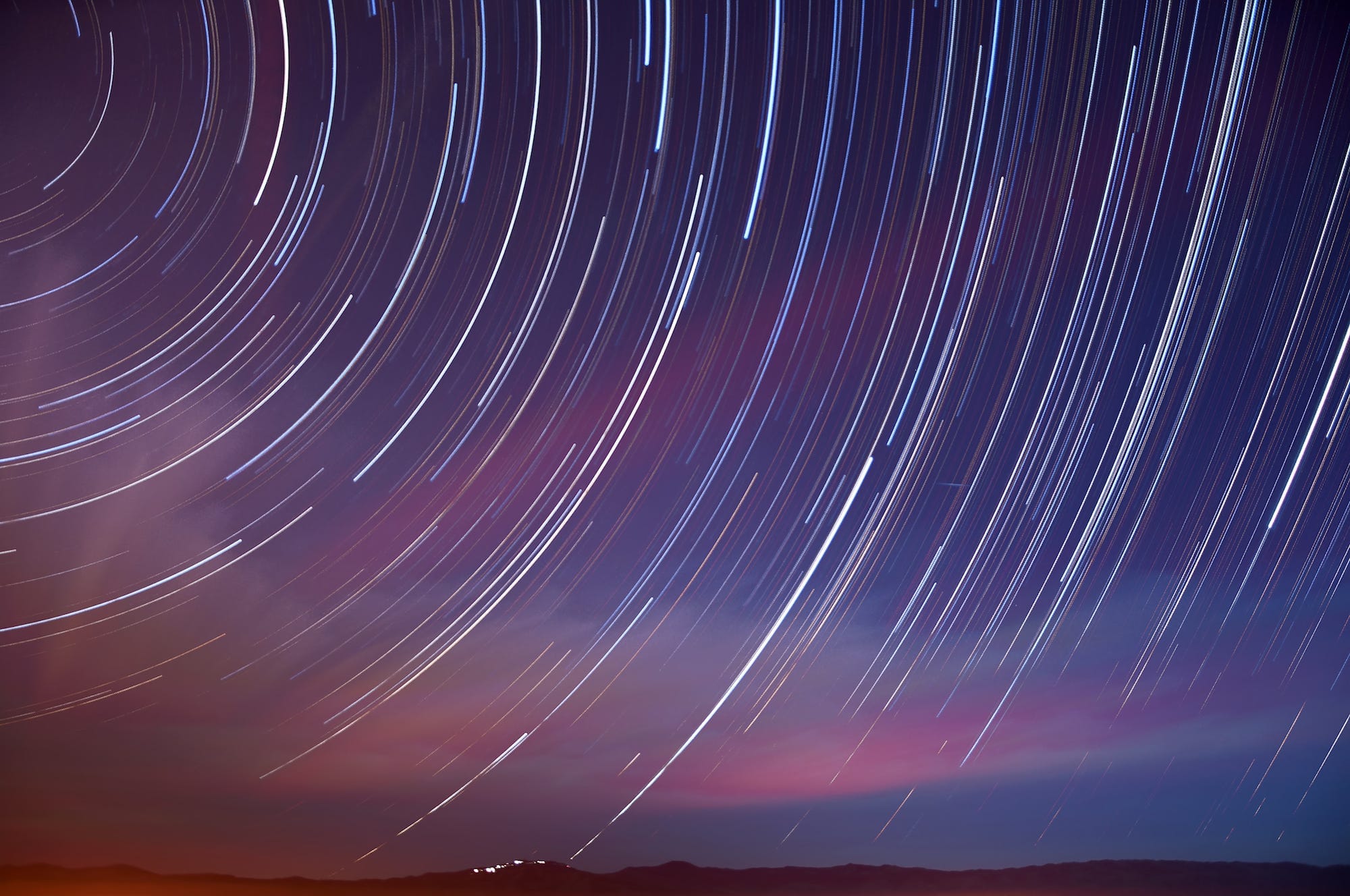
When it comes to camera settings and equipment, a tripod is a must; ensure that you set your camera to manual settings, ideally at ISO 1600-3200 and f/2.8 or wider. Capture the shots with a 20-second exposure duration for optimal success in capturing the Quadrantids meteor shower.
Despite the powerful natural grandeur of the Quadrantids meteor shower, many people might not get the chance to experience it due to location or time constraints. That said, the incredible advancements in digital astronomy technology allow you to travel back in time and observe this beautiful celestial event even if you can’t be physically present. Accurate astronomy software can reenact the meteor shower and provide an opportunity for those who want to witness this natural beauty from the comfort of their own homes.