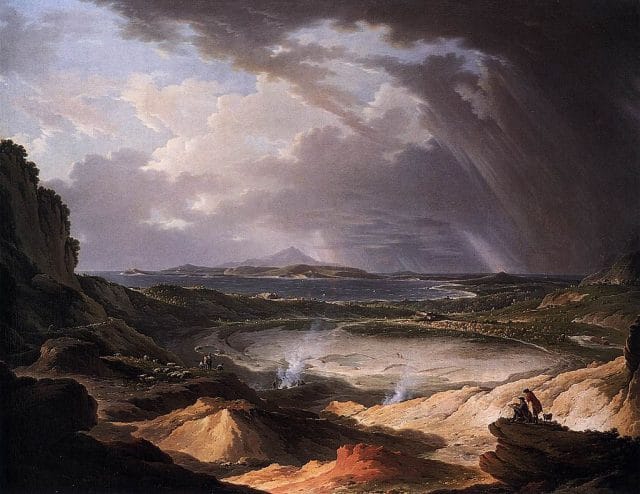
The Phlegraean Fields supervolcano, located near Naples, Italy, has become a focal point of concern among scientists due to its increasing geological activity. With a history of powerful eruptions, most notably the Campanian Ignimbrite event around 39,000 years ago, the supervolcano could have devastating consequences for both local and global populations if it were to erupt. As researchers delve deeper into the field’s behaviors, the ramifications of a potential eruption have sparked fear of catastrophic disruptions in ecosystems and societies worldwide.
The Phlegraean Fields exists in a region characterized by complex volcanic systems and a rich historical context. This supervolcano’s last significant eruption, which occurred in 1538, is a stark reminder of its potential for destruction. The eruption formed the Monte Nuovo cinder cone and led to widespread evacuation and disruption. However, current activity levels suggest that the volcano may be nearing a critical state of unrest, prompting scientists to increase their monitoring efforts.
Recent studies utilizing advanced geophysical techniques, including ground deformation measurements and gas emissions analysis, have revealed alarming signs of increased volcanic unrest. Researchers have observed noticeable ground uplift in parts of the caldera, which is indicative of magma movement beneath the surface. Gas emissions, particularly carbon dioxide and sulfur dioxide, have also shown fluctuations that may suggest underlying volcanic processes are becoming more active. This highlighted activity has raised concerns among volcanologists about the volcano’s potential to enter a new eruptive phase.
The implications of such an eruption could be catastrophic on a global scale. The immense energy release associated with a supervolcano eruption could propel vast amounts of ash and gases into the atmosphere, obscuring sunlight and disrupting climate patterns. Such an event could lead to what scientists describe as a “volcanic winter,” characterized by plummeting global temperatures and prolonged agricultural disruptions. Historical records from previous significant eruptions, including the Tambora eruption in 1815, illustrate how such events can trigger widespread famines and socio-economic upheaval.
Additionally, the densely populated areas surrounding the Phlegraean Fields raise the stakes considerably. An eruption could lead to mass evacuations, loss of infrastructure, and significant economic impacts. The proximity of Naples—a bustling city with millions of residents—further intensifies the urgency for planning and risk management to mitigate potential disasters stemming from the supervolcano. Although evacuation plans and measures are in place, the unpredictability of volcanic systems poses ongoing challenges to officials and emergency responders.
Scientists emphasize the importance of ongoing monitoring and research to better understand the Phlegraean Fields supervolcano’s behavior. Various international collaborations have been formed to enhance seismic monitoring and improve predictive models. By combining knowledge from different disciplines—ranging from geology and geophysics to climatology—researchers aim to develop comprehensive strategies to address the multi-faceted risks associated with the supervolcano.
Furthermore, the need for public awareness and education is critical. Communities in and around Naples must remain informed about potential risks and preparedness protocols. Enhanced communication between scientists, policymakers, and the public can improve resilience against the uncertainties posed by volcanic activity.
The potential threat of the Phlegraean Fields supervolcano serves as a reminder of the Earth’s geological dynamism and the ever-present risks associated with volcanic systems. While active monitoring and research are invaluable, the unpredictable nature of such supervolcanoes remains a significant concern for those studying them. The possibility that a single eruption could plunge much of the planet into chaos underscores the need for ongoing vigilance and, if necessary, contingency planning. In an era of climate change and heightened natural disasters, the study of such geological features might inform global scientific and environmental policies, ensuring that humanity is better prepared for any eventuality.
As scientists continue to monitor the signs coming from the Phlegraean Fields, their findings will shape not only local preparedness but also global awareness regarding supervolcano hazards. The implications of this research are profound, highlighting the interconnectedness of geological phenomena and human society. Recognizing the risks associated with supervolcanoes like the Phlegraean Fields can encourage proactive measures and foster a culture of preparedness against the unknown, ultimately contributing to safeguarding future generations.