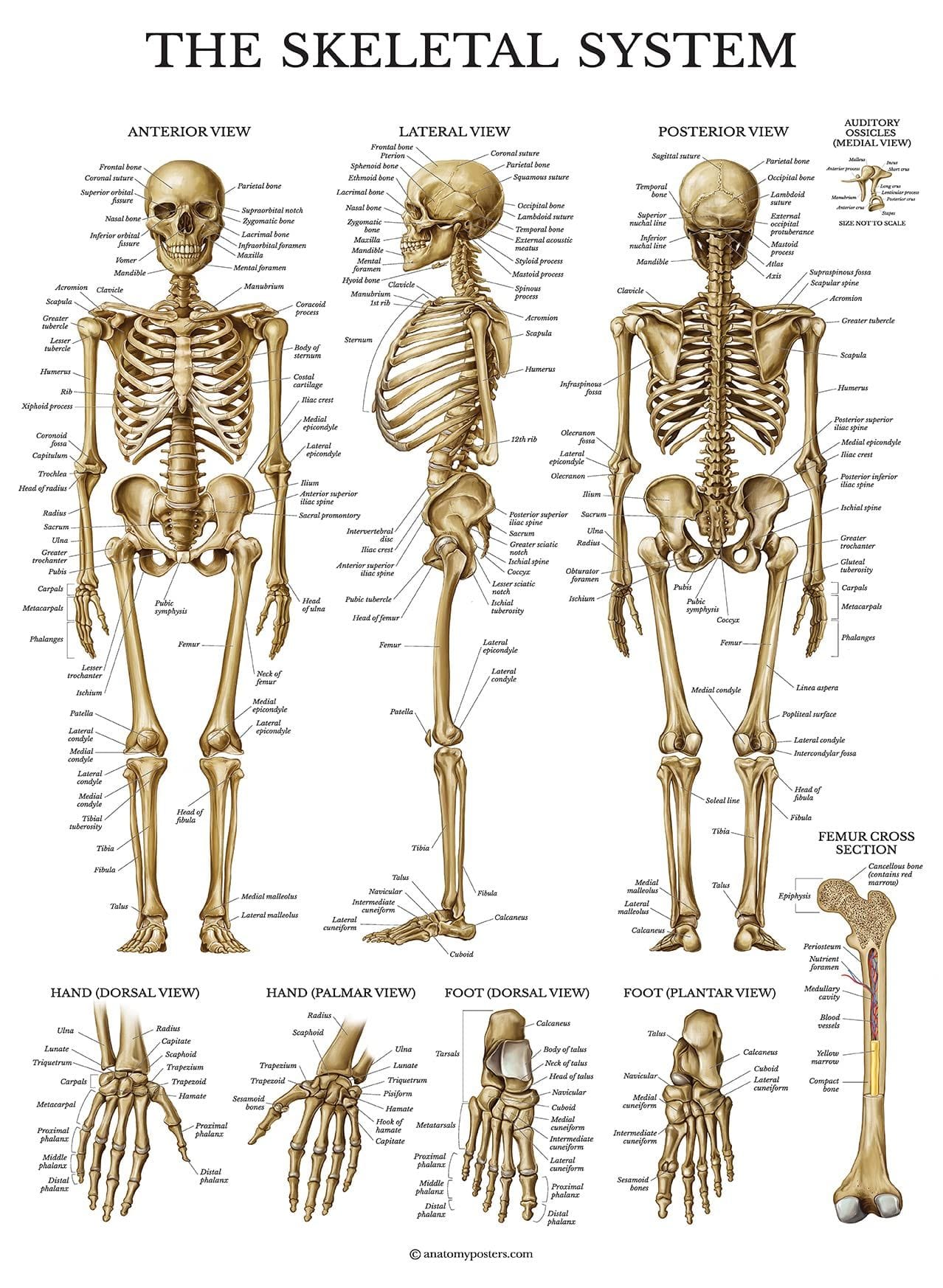
The field of paleoanthropology is once again abuzz with excitement following a remarkable fossil discovery in China. The find, consisting of several partial skeletons and cranial fragments, has presented researchers with a new challenge in understanding the complex history of human evolution. The fossils, unearthed at a site in eastern China, exhibit a combination of characteristics that defy simple categorization within existing hominin species. These characteristics include unusual cranial features, distinct limb proportions, and subtle variations in dental morphology. The bones, estimated to be between 200,000 and 300,000 years old, predate the emergence of anatomically modern humans in the region, making their implications all the more profound. The initial examination of the fossils suggests that they do not align perfectly with well-established hominin groups, such as Homo erectus or Homo heidelbergensis. Instead, they seem to possess a unique combination of primitive and derived traits, raising the possibility that they represent a distinct evolutionary lineage, a previously unknown hominin population that lived alongside or before better-understood human ancestors. This discovery is not merely a marginal variation; the unique combination of skeletal features warrants further investigation. The scientific community is now engaged in a collaborative effort to compare these fossils with existing data from other fossil sites around the world. Advanced dating techniques are being employed to pinpoint their age accurately, and detailed analyses of their genetic makeup are being undertaken to trace their ancestral connections. One of the most significant challenges for researchers will be to determine whether the fossils represent a side branch of the human family tree that ultimately went extinct or whether they are ancestral to some currently recognized human populations. This research involves a deep dive into comparative anatomy, genetics, and paleoecology, all to paint a more complete picture of how humanity came to be. The implications of this new discovery extend beyond the mere identification of a new species. If the fossils do indeed represent a distinct branch, it could require a re-evaluation of existing evolutionary models, possibly changing our understanding of human migration patterns and adaptation processes in prehistoric times. This is a reminder of how incomplete the fossil record is, and how any new discovery can provide a new and unique perspective. The Chinese fossil finds have attracted considerable interest and scrutiny from scientists globally, and the research is moving at an intense pace. As the analysis proceeds, the world is waiting to see if these fossils will indeed contribute to a profound change in how we understand our human heritage. The results of the research are awaited, with great interest, by the scientific community and the general public. It is important to note that scientific progress is based on a constant cycle of research, debate, and re-evaluation. It is part of the scientific method to question assumptions and to stay open to the possibility that established theories might need adjustment as new data comes to light. The work ahead will be a complex process that will involve not only the expertise of paleoanthropologists but also geneticists, geologists, and statisticians to draw the best conclusions from the data. The discovery reminds us that human evolution was not a straightforward path, but rather a complex web of intertwined lineages.
Chinese Fossil Discovery Sparks Debate on Human Ancestry