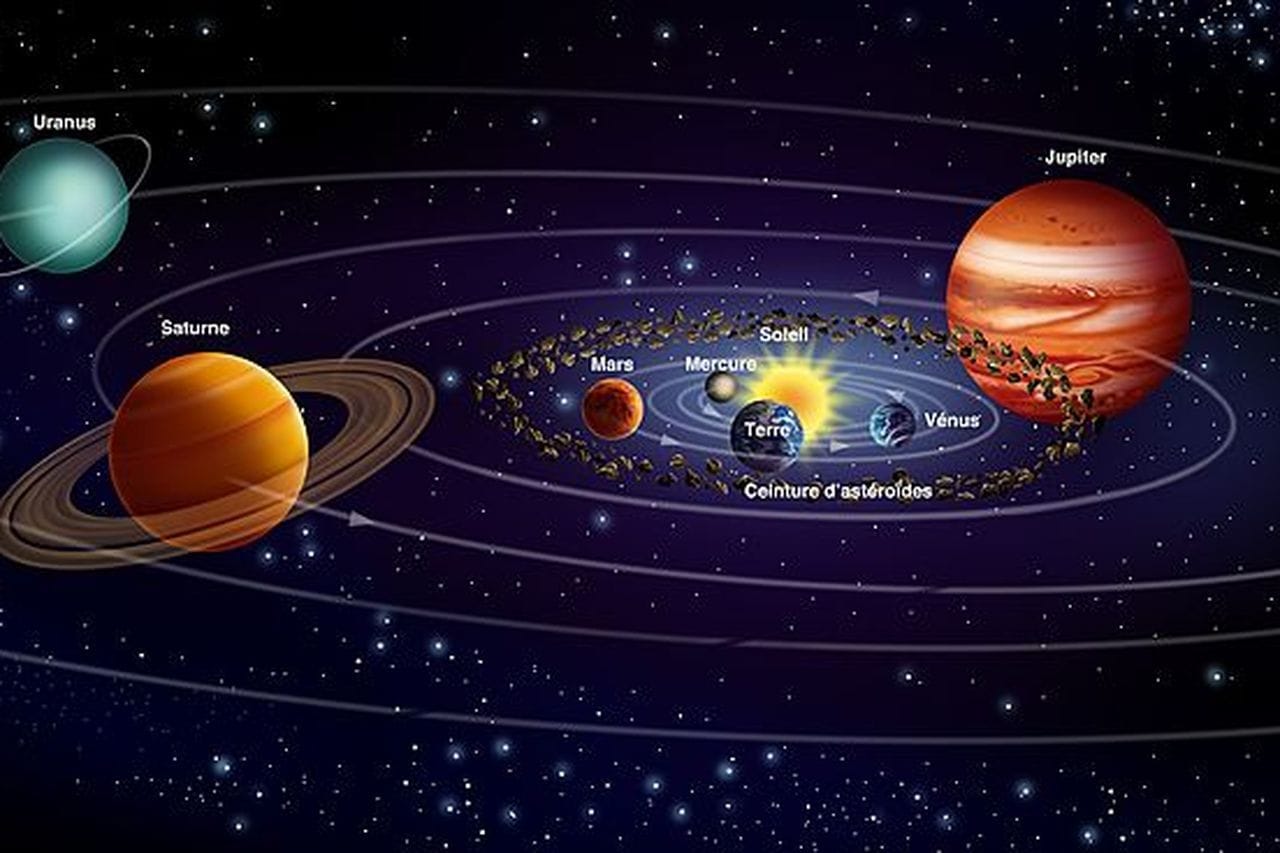
The night sky will host a remarkable spectacle this January, as multiple planets align, creating what is commonly referred to as a planetary parade. This phenomenon, while not exceptionally rare, is always a source of fascination for both amateur and professional astronomers alike. On January 25th, several planets will be positioned closely to one another in the sky, offering a distinct view of our solar system’s architecture. Unlike some celestial events which are difficult to observe or require specialized equipment, this planetary alignment will be readily viewable, and even better, accessible through online streams. Several astronomical organizations, both governmental and non-profit, are planning to provide live feeds, allowing people from around the world to witness this event from the comfort of their own homes, without the need for specialized equipment. The online broadcasts will not only show the planetary alignment as it occurs, but they will also include educational components. These educational elements will explain the mechanics of planetary motion, the relative positions of the planets in our solar system, and the significance of such celestial events. The goal of these organizations is to make the wonders of astronomy accessible and to foster a deeper appreciation for the cosmos. This particular planetary alignment will feature several bright planets, meaning that they should be visible in relatively clear skies, assuming no major cloud cover or light pollution. For those who are in the right time zones and conditions, this might also be viewed without streaming, depending on atmospheric conditions. Even for viewers who do have the opportunity to see it in the sky, online streams will provide a better viewing experience because of zoom features and potentially filters. Viewers can expect to see planets such as Venus, Mars, and perhaps Mercury in very close proximity. These planets will not actually be close in space, it is important to note. Rather, they will be lined up from our perspective on Earth, meaning that they will appear close together in the night sky. The alignment is a visual effect that depends on our viewing angle. The live feeds will also allow for interactive features, where viewers can ask questions and receive immediate answers about the astronomical phenomenon. This will make it a useful tool not just for those looking to enjoy the view but also for educators and students who want to know more. There will be a lot of content accessible both on the day of the alignment as well as in the days that follow, such as recordings of the event and interviews with experts. A planetary alignment like this serves as a reminder of the vastness of space and the remarkable precision of celestial mechanics. It also provides an opportunity for people of all ages to engage with science. The accessibility provided by the online streams means that there will be less barriers of access. This is helpful for those who live in areas with a lot of cloud cover, light pollution or other restrictions that would typically prevent seeing the planets. Planetary alignments have captivated observers for centuries, and this online event will be a way for modern viewers to share that same sense of wonder and awe with others across the globe. For those looking to learn more about this, many organisations will have information posted before the event begins. These organisations hope that this is going to encourage people to look up into the sky more often, and to see the beauty that is held within our solar system. The use of technology to bring these astronomical spectacles to everyone is definitely part of a positive trend that has been occurring in recent years. This type of free and accessible educational event will hopefully encourage people to seek out more information about astronomy.
Celestial Alignment Visible Online This January