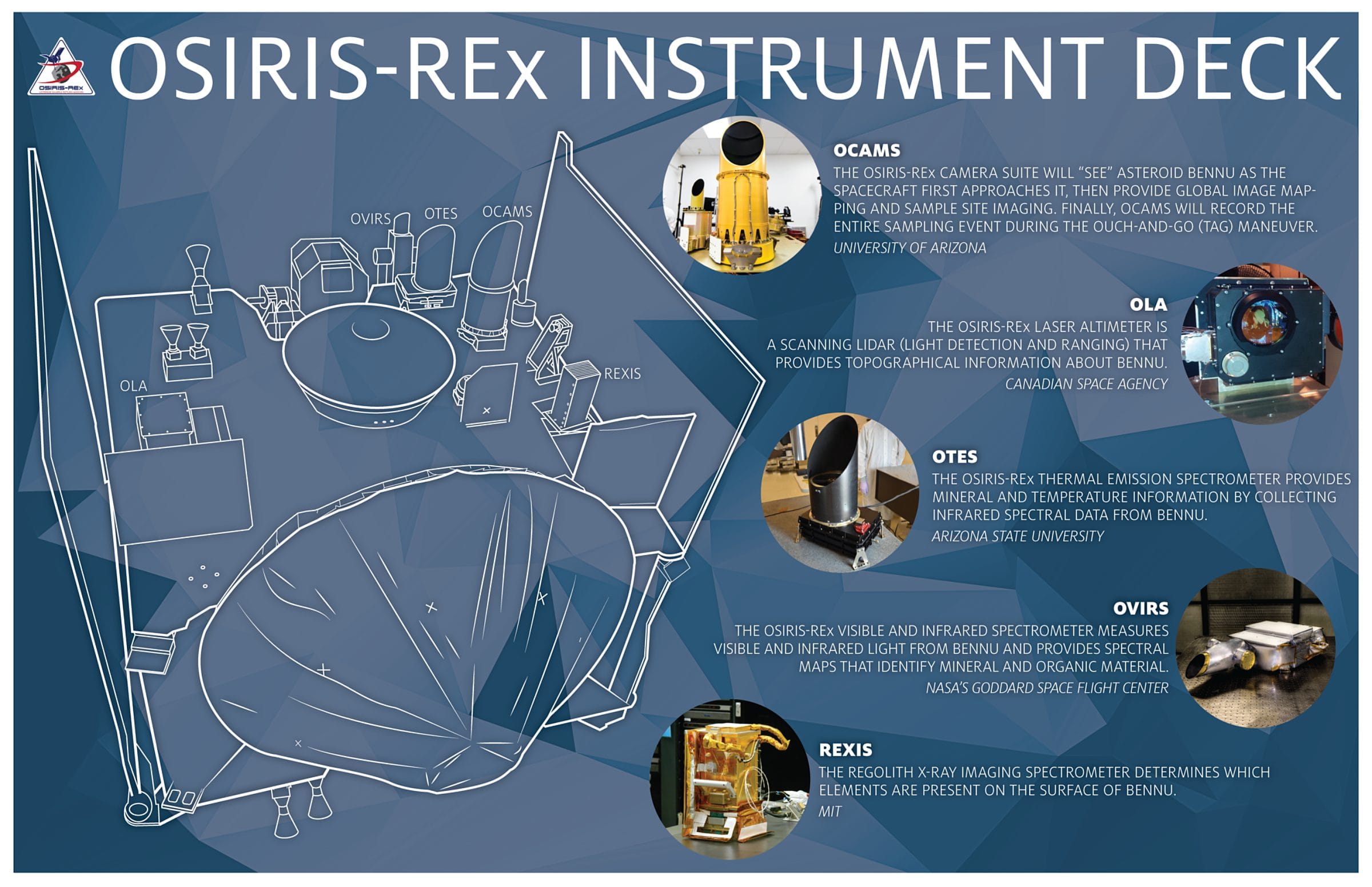
The OSIRIS-REx mission, a collaborative endeavor between NASA and numerous academic and research institutions, successfully collected samples from the near-Earth asteroid Bennu in 2020. The spacecraft returned these samples to Earth in 2023, initiating an extensive analysis process by a global team of scientists. Recent findings from this analysis have unveiled the presence of organic molecules within the Bennu samples. These organic molecules, characterized by their complex carbon-based structures, represent a significant discovery with profound implications for the study of life’s origins.
The detection of organic molecules on Bennu is not entirely unprecedented. Previous missions and telescopic observations have hinted at the presence of organic compounds on asteroids. However, the OSIRIS-REx mission provided the opportunity for direct sampling and detailed laboratory analysis, yielding higher-quality data and more definitive results. The specific types of organic molecules identified within the Bennu samples are currently under investigation, and detailed reports are forthcoming from the research teams involved. The complexity and variety of the organic molecules detected suggest a rich and potentially diverse prebiotic chemistry associated with this asteroid.
The presence of these molecules on Bennu raises compelling questions about the role of asteroids in delivering the building blocks of life to early Earth. The prevailing theory is that a significant portion of Earth’s water and organic molecules originated from asteroid impacts. This hypothesis suggests that asteroids like Bennu, which are rich in carbon-containing compounds, could have acted as crucial vectors in the delivery of these essential components for life’s emergence. The findings from the Bennu sample analysis provide strong support for this hypothesis. Further research is needed to fully understand the precise mechanisms of delivery and the extent to which asteroid impacts contributed to the prebiotic inventory of early Earth.
The analysis of the Bennu samples is an ongoing process, with scientists continuing to explore the various components and their chemical composition. Advanced analytical techniques are being employed to characterize the organic molecules in detail, including their structural features and isotopic ratios. This information will be crucial in determining their origin and potential relationship to the molecules found in terrestrial life. The international collaboration involved in this research exemplifies the global effort dedicated to understanding the origins of life. Scientists from diverse backgrounds and expertise contribute to the analysis and interpretation of the data, ensuring a comprehensive and rigorous approach.
The significance of this discovery extends beyond simply confirming the presence of organic molecules. It provides crucial insights into the conditions prevalent in the early solar system and the processes that led to the formation of asteroids like Bennu. The research also informs our understanding of the distribution of organic molecules throughout the solar system and the potential for life to exist beyond Earth. The results from the Bennu sample analysis serve as a testament to the power of space exploration in addressing fundamental questions about the origins of life and our place in the universe. Continued research and analysis are expected to yield even more detailed information about the composition and history of this asteroid, further enriching our understanding of the processes that govern the formation and evolution of planetary systems. The findings from the Bennu mission are expected to influence future missions and research efforts, particularly those focused on the search for extraterrestrial life. The implications of this discovery are far-reaching, inspiring ongoing exploration and research into the origins and evolution of life.