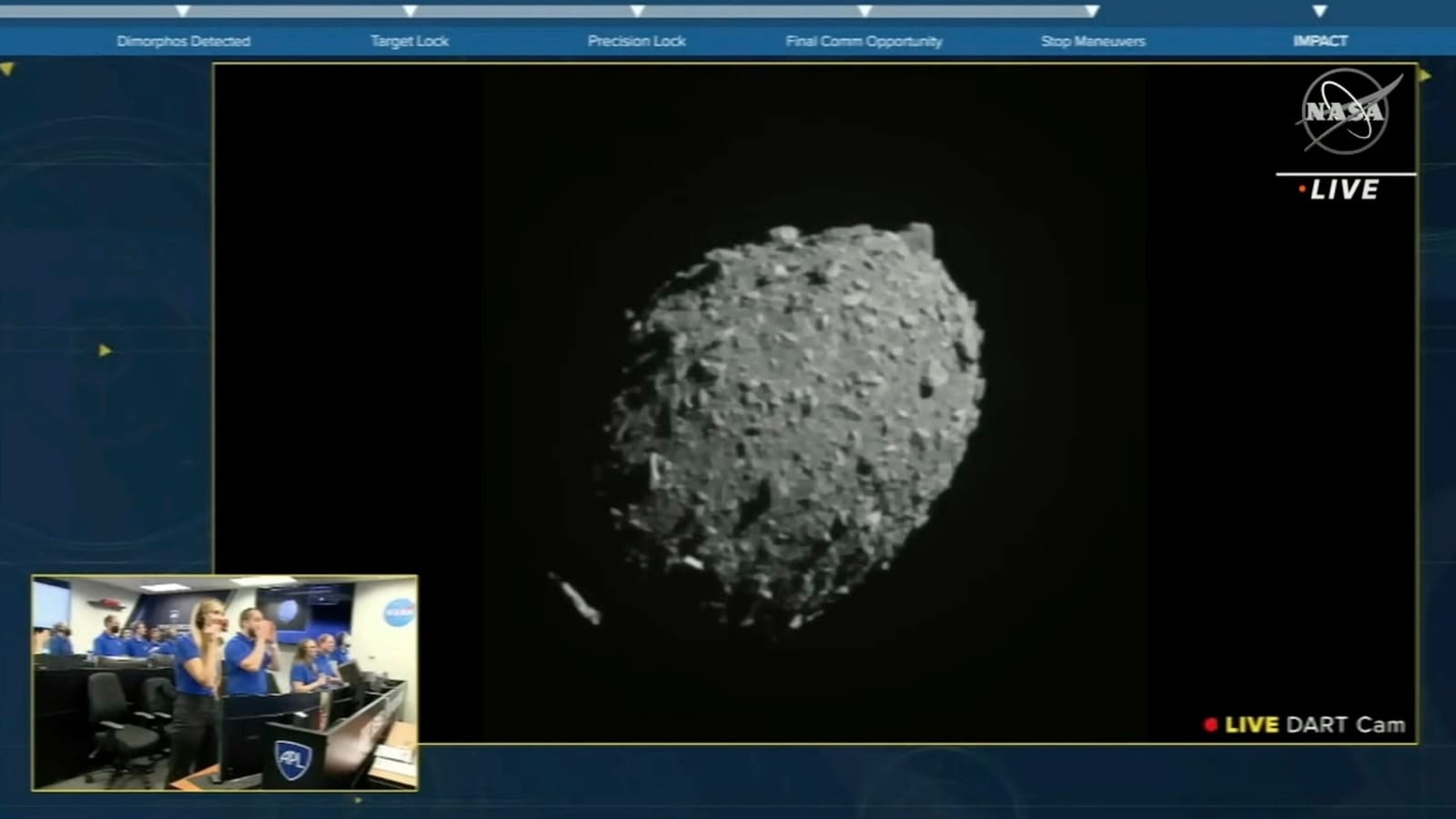
In a remarkable cosmic event, an asteroid was observed blazing across the skies of Siberia mere hours after astronomers detected it. The incident, which occurred on October 23, 2023, captivated skywatchers and scientists alike as the bright fireball lit up the night sky, creating a stunning visual display.
The asteroid, designated 2023 UX1, was first detected by astronomers using a network of telescopes dedicated to monitoring near-Earth objects (NEOs). Initial calculations suggested that it was about 10 meters in diameter, making it relatively small in the context of space rocks. However, its sudden appearance and brightness were enough to catch the attention of residents and researchers across the region.
Witnesses reported seeing a bright flash followed by a loud sonic boom as the asteroid entered the Earth’s atmosphere at high speed. The event was captured on numerous videos, showcasing a brilliant streak of light that illuminated the dark Siberian landscape.
NASA’s Near-Earth Object Program confirmed the event, noting that while the asteroid was detected just hours before its atmospheric entry, it posed no threat to Earth. “This is a perfect example of how quickly these objects can enter our atmosphere, and it emphasizes the importance of monitoring space for potential hazards,” said Dr. Linda Smith, a planetary defense expert at NASA.
The incident has reignited discussions about the capabilities and limitations of current NEO detection systems. While larger asteroids are typically tracked well in advance, smaller ones like 2023 UX1 can be more challenging to detect due to their size and the vastness of space.
Experts emphasize the need for improved detection technologies to better identify and monitor these smaller objects, which, although less likely to cause significant damage, can still create impressive fireballs and sonic booms.
The event serves as a reminder of the dynamic nature of our solar system and the importance of vigilance in planetary defense. As astronomers continue to study the path of 2023 UX1, they hope to gather data that could inform future monitoring efforts and enhance our understanding of asteroid behavior.
In the aftermath of the fireball, scientists are also analyzing fragments that may have survived the entry, with hopes of gaining insights into the composition of asteroids and their potential impact on Earth.
As the world watches the skies, events like these highlight the beauty and unpredictability of our universe, urging both awe and caution as we continue to explore the cosmos.

