Electric propulsion systems, particularly electric thrusters, are at the forefront of a technological revolution in space exploration. Unlike conventional chemical rockets that rely on combustion to generate thrust, electric thrusters utilize electrical energy to accelerate propellant, resulting in a more efficient and sustainable means of propulsion. This innovative approach not only extends the capabilities of spacecraft but also opens up new avenues for exploration beyond our planet.
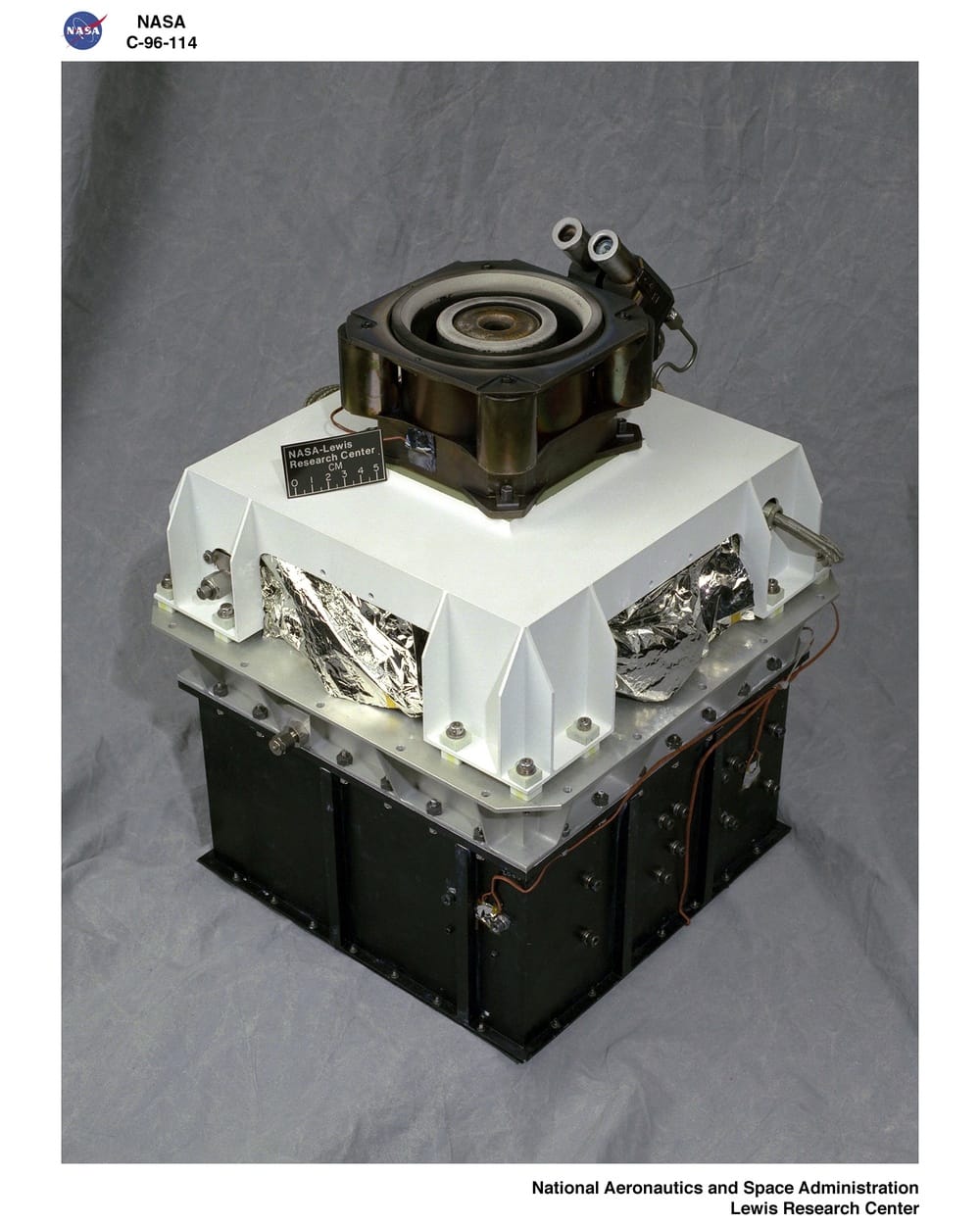
At the heart of electric thrusters lies the principle of ion propulsion. These systems work by ionizing a propellant, typically xenon gas, and then using electric fields to accelerate the ions, creating thrust. The efficiency of electric thrusters is measured in terms of specific impulse, which quantifies the thrust produced per unit of propellant consumed. Electric thrusters can achieve specific impulses significantly higher than those of chemical rockets, making them particularly attractive for long-duration missions where minimizing propellant mass is crucial.
One of the most notable applications of electric thrusters has been in satellite technology. Many modern satellites utilize electric propulsion for orbit maintenance and station-keeping maneuvers. The European Space Agency’s BepiColombo mission to Mercury, which employs both chemical and electric propulsion, exemplifies the growing trend of incorporating electric thrusters into complex space missions. This hybrid approach allows for more precise maneuvering and greater fuel efficiency, ultimately enhancing mission success.
In addition to satellites, electric thrusters are being considered for interplanetary missions. NASA’s Dawn spacecraft, which explored the asteroid belt, was equipped with ion propulsion technology. This allowed Dawn to travel to multiple destinations, including the dwarf planet Ceres, while using significantly less propellant than traditional chemical propulsion would have required. The success of such missions demonstrates the potential of electric thrusters to facilitate ambitious exploration objectives.
The advantages of electric thrusters extend beyond efficiency. They also enable spacecraft to carry larger payloads or extend mission durations due to reduced propellant needs. For instance, missions to Mars or other distant destinations could benefit from electric propulsion, allowing for more extensive scientific investigations and the possibility of returning samples to Earth. Furthermore, the ability to conduct longer missions without the need for frequent resupply makes electric thrusters an attractive option for future deep-space exploration.
As the demand for space exploration continues to grow, the development of electric propulsion technologies is accelerating. Research and development efforts are focused on improving the performance and reliability of electric thrusters. Advancements in materials science and engineering are leading to the creation of more efficient thrusters that can operate at higher power levels. These improvements could pave the way for next-generation spacecraft capable of reaching farther into the solar system and beyond.
Moreover, electric thrusters are being integrated into new mission concepts that aim to utilize in-situ resource utilization (ISRU). This approach involves harnessing local resources, such as water ice on Mars, to produce propellant, thereby reducing the need to launch all necessary supplies from Earth. Electric propulsion systems are well-suited for such missions, as they can operate efficiently with limited propellant while enabling longer missions.
The future of space exploration is likely to see an increased reliance on electric thrusters. As more space agencies and private companies invest in the development of electric propulsion technologies, the potential for innovative mission designs and expanded exploration capabilities will continue to grow. The benefits of electric thrusters, including their efficiency, flexibility, and sustainability, position them as a vital component of the next era of space exploration.
In conclusion, electric thrusters are revolutionizing the field of space exploration by providing a more efficient and sustainable means of propulsion. Their application in satellite technology and interplanetary missions showcases their potential to enhance mission capabilities and extend the reach of human exploration. As advancements in electric propulsion continue, the future of space travel appears promising, with electric thrusters poised to play a central role in humanity’s quest to explore the cosmos.