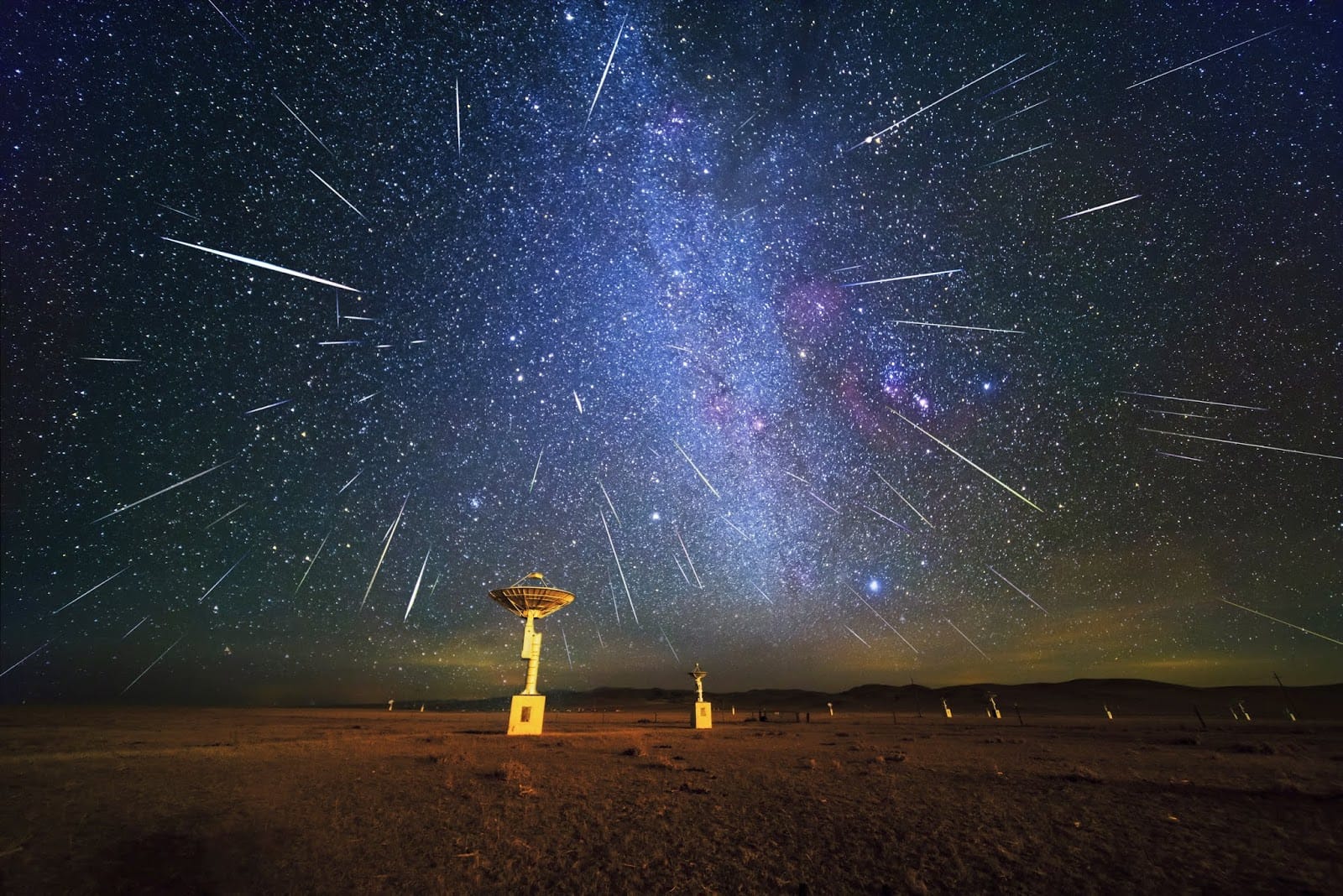
The Quadrantids meteor shower is renowned for being one of the most intense meteor showers of the year, often producing a high number of meteors per hour during its peak. This astronomical event occurs annually, with its peak typically occurring in early January. The Quadrantids are unique not only for their intensity but also for their short duration, making it essential for enthusiasts to be well-prepared to catch this fleeting display.
The origins of the Quadrantids can be traced back to the asteroid 2003 EH1, which is believed to be a fragment of a comet. As Earth passes through the debris left behind by this celestial body, the particles enter the atmosphere at high speeds, resulting in brilliant streaks of light across the night sky. The meteors are known for their bright fireballs, which can be particularly stunning to observe.
To maximize the viewing experience, it is crucial to know when and where to look. The Quadrantids peak typically occurs between January 3 and January 4, with the best viewing times generally occurring in the pre-dawn hours. Observers should aim to be outside between midnight and dawn, as this is when the shower is most active. During this peak period, it is possible to witness up to 120 meteors per hour under optimal conditions.
Finding a suitable location for observation is equally important. Light pollution can significantly hinder the visibility of meteors, so it is advisable to seek out dark areas away from city lights. National parks, rural areas, or elevated locations can provide excellent vantage points. Observers should also consider the weather conditions, as clear skies are essential for a successful viewing experience. Checking local weather forecasts in advance can help ensure that clouds do not obstruct the view.
Once a suitable location has been identified, it is important to prepare for the experience. Comfortable clothing and blankets can help keep observers warm during the chilly January nights. It is also beneficial to bring reclining chairs or sleeping bags, allowing for a relaxed position while gazing up at the sky. Snacks and warm beverages can enhance the experience, making it more enjoyable while waiting for meteors to appear.
When observing the Quadrantids, it is advisable to allow the eyes to adjust to the darkness. This adaptation can take approximately 20 to 30 minutes, during which time the eyes become more sensitive to light. Observers should also refrain from using bright lights or looking at their phones, as this can disrupt night vision. Instead, using red-filtered flashlights can provide necessary illumination without compromising visibility of the meteors.
In addition to watching for meteors, it can be helpful to familiarize oneself with the constellation from which the Quadrantids appear to radiate. The shower is named after the now-obsolete constellation Quadrans Muralis, located near the border of the constellations Boötes and Draco. While the meteors can be seen radiating from this area, they can also appear anywhere in the sky. Therefore, it is advisable to take in as much of the sky as possible rather than focusing solely on the radiant point.
For those unable to observe the Quadrantids in person, many online platforms and observatories may offer live streams of the event. This can provide an alternative way to experience the meteor shower, especially for individuals in areas with poor visibility or unfavorable weather conditions.
In conclusion, the Quadrantids meteor shower presents a remarkable opportunity for both amateur and seasoned astronomers to witness one of nature’s most awe-inspiring displays. By preparing adequately, choosing the right location, and understanding the timing of the event, observers can enhance their chances of enjoying a spectacular show. Whether experienced in person or through digital means, the Quadrantids are sure to leave a lasting impression on all who take the time to watch.