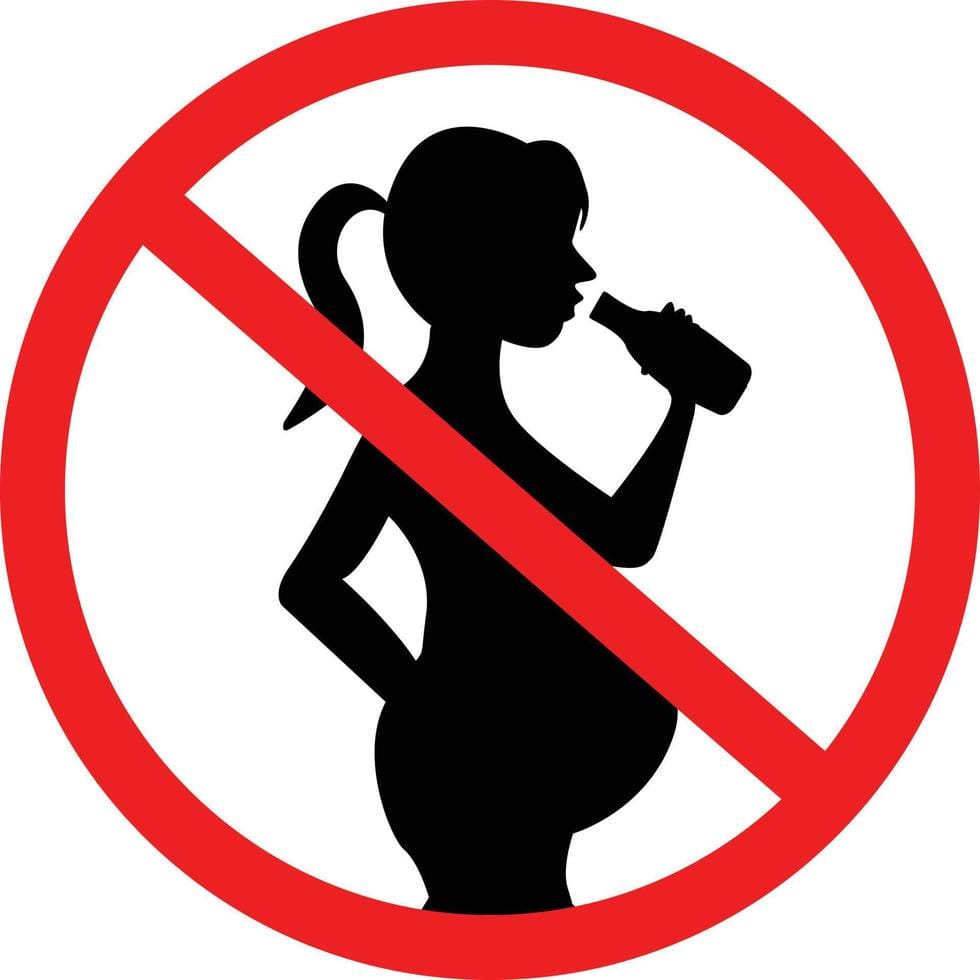
In a significant public health initiative, the U.S. top health official has proposed that alcoholic beverages carry warning labels regarding their potential cancer risks. This recommendation is rooted in an expanding body of scientific research that has increasingly established a correlation between alcohol consumption and various forms of cancer. The push for these warnings is not merely a reaction to emerging studies but is also part of a broader effort to inform the public about the health risks associated with alcohol consumption.
The relationship between alcohol and cancer has been the subject of numerous studies over the past few decades. Research indicates that alcohol consumption is a known risk factor for several types of cancer, including breast, liver, colorectal, and esophageal cancers. The International Agency for Research on Cancer (IARC), a part of the World Health Organization (WHO), has classified alcohol as a Group 1 carcinogen. This classification signifies that there is sufficient evidence to conclude that alcohol can cause cancer in humans.
The mechanism through which alcohol contributes to cancer development is multifaceted. One primary pathway involves the metabolism of ethanol, the active component in alcoholic beverages. When alcohol is consumed, the body metabolizes it into acetaldehyde, a toxic compound that has been shown to damage DNA and proteins. This damage can lead to mutations that may result in cancer. Furthermore, alcohol consumption can lead to increased estrogen levels, which is particularly relevant in the context of breast cancer. Elevated estrogen levels are associated with a higher risk of developing hormone-sensitive cancers.
The call for warning labels is also supported by epidemiological studies that have demonstrated a dose-response relationship between alcohol consumption and cancer risk. This means that higher levels of alcohol intake are associated with a greater risk of developing cancer. For instance, research has shown that consuming as little as one alcoholic drink per day can increase the risk of breast cancer in women. As such, the recommendation for warning labels aims to provide consumers with clear information about these risks, similar to the warnings currently found on tobacco products.
In addition to the direct health risks, alcohol consumption is also associated with a range of lifestyle factors that can contribute to cancer risk. For example, individuals who consume alcohol may engage in other high-risk behaviors, such as smoking or poor dietary choices, which can further elevate their risk of developing cancer. Therefore, the proposed warning labels could serve as a crucial tool for raising awareness and potentially changing behaviors related to alcohol consumption.
The implications of these proposed warnings extend beyond individual health. Public health experts argue that such measures could lead to a broader societal shift in attitudes toward alcohol consumption. By normalizing the conversation around the risks associated with alcohol, it may become easier for individuals to make informed choices about their drinking habits. This is particularly important in a culture where alcohol consumption is often socially accepted and even encouraged.
However, the proposal for alcohol warning labels has not been without controversy. Some industry stakeholders argue that such warnings may stigmatize moderate drinkers and could have economic repercussions for businesses involved in the production and sale of alcoholic beverages. Critics also contend that the focus should be on promoting responsible drinking rather than imposing warnings that may not resonate with all consumers.
Despite these concerns, the scientific community largely supports the initiative, emphasizing the importance of transparency in public health messaging. The aim is not to eliminate alcohol consumption altogether but to ensure that individuals are fully aware of the potential risks associated with their choices. The hope is that informed consumers will make healthier decisions regarding their alcohol intake, ultimately leading to a reduction in alcohol-related cancers.
As this initiative progresses, it will be essential to monitor the impact of warning labels on consumer behavior and public health outcomes. The success of such measures will depend on effective communication strategies that convey the risks in a clear and compelling manner. Public health campaigns may also need to accompany the introduction of warning labels to further educate the public about the link between alcohol and cancer.
In conclusion, the call for cancer warning labels on alcoholic beverages reflects a growing recognition of the health risks associated with alcohol consumption. The scientific evidence linking alcohol to various forms of cancer is robust and continues to evolve. By implementing warning labels, health officials aim to empower consumers with the knowledge they need to make informed choices about their drinking habits, ultimately contributing to improved public health outcomes.