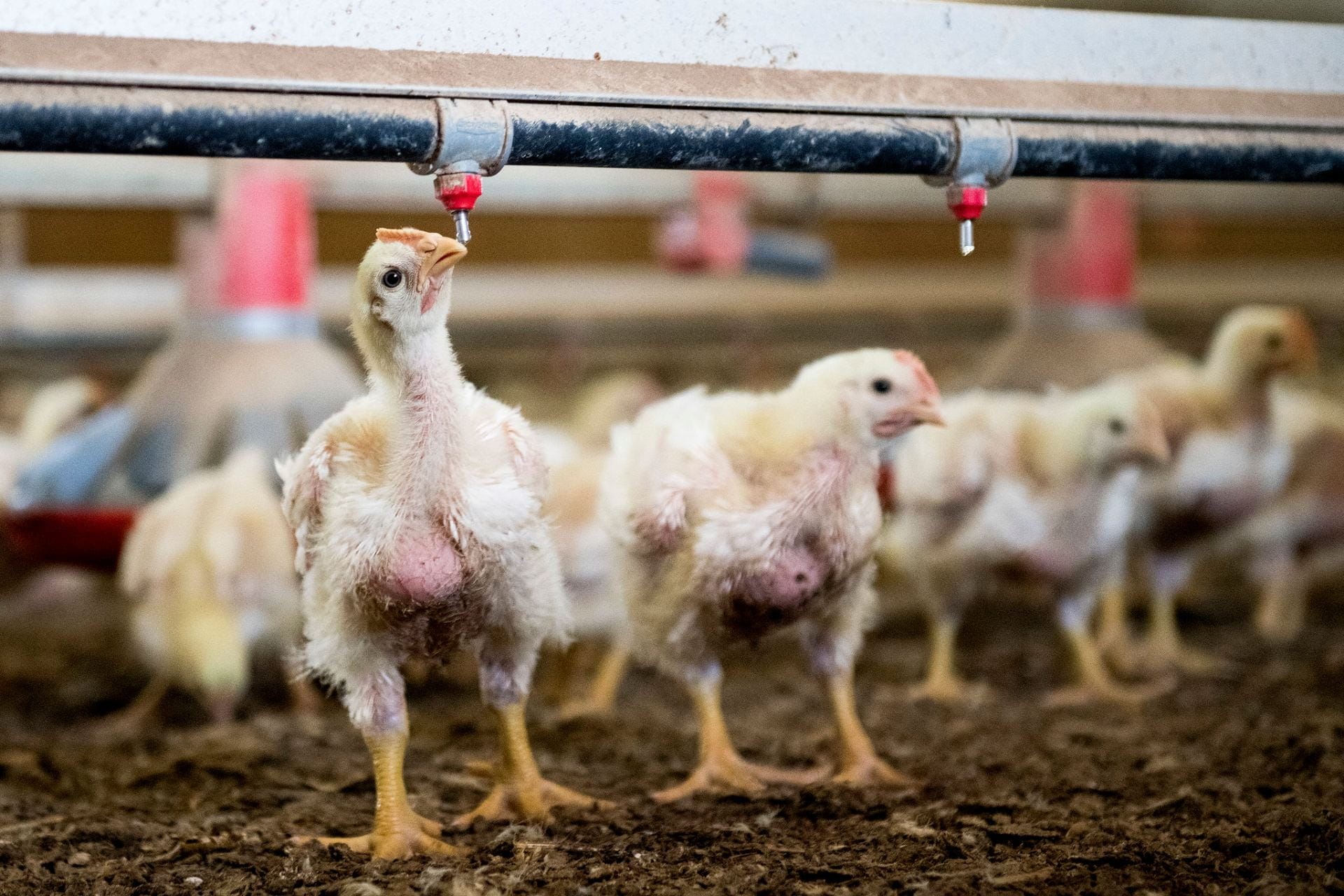
The recent announcement from Washington state regarding 14 confirmed cases of avian influenza in humans has prompted a wave of concern and curiosity among residents, particularly in Clark County. Avian influenza, commonly known as bird flu, is a viral infection that primarily affects birds but can occasionally infect humans. Understanding the nature of this virus, its transmission, and the necessary precautions is essential for public health and safety.
Avian influenza is caused by influenza viruses that primarily infect birds, especially domestic poultry. The most notable strains of the virus include H5N1 and H7N9, which have been associated with severe illness in humans. While the transmission of avian influenza from birds to humans is rare, it can occur, particularly in individuals who have close contact with infected birds or contaminated environments. The recent cases in Washington highlight the importance of monitoring and understanding the dynamics of this virus.
The symptoms of avian influenza in humans can range from mild to severe and may include fever, cough, sore throat, muscle aches, and in some cases, severe respiratory distress. It is crucial for individuals who exhibit these symptoms, especially those with a history of exposure to birds or poultry, to seek medical attention promptly. Early diagnosis and treatment can significantly improve outcomes and reduce the risk of complications.
Preventive measures are vital in controlling the spread of avian influenza. Public health officials recommend that individuals avoid direct contact with wild birds and poultry, particularly in areas where outbreaks have been reported. It is also advisable to practice good hygiene, such as washing hands thoroughly after handling birds or visiting farms. Additionally, individuals should be cautious when consuming poultry products, ensuring that they are cooked thoroughly to eliminate any potential viral presence.
In Clark County, local health authorities are closely monitoring the situation and are prepared to implement necessary measures to protect public health. Residents are encouraged to stay informed about the latest developments regarding avian influenza and to follow any guidelines issued by health officials. Community awareness and education play a crucial role in preventing the spread of infectious diseases, and residents are urged to share information with friends and family.
The agricultural sector, particularly poultry farming, is significantly impacted by avian influenza outbreaks. Farmers are advised to implement biosecurity measures to protect their flocks from infection. This includes restricting access to poultry areas, regularly cleaning and disinfecting equipment, and monitoring the health of birds closely. In the event of an outbreak, farmers should report any unusual illness or death in their flocks to local agricultural authorities immediately.
Public health agencies are also working to enhance surveillance and response strategies to detect and manage avian influenza cases effectively. This includes collaboration with veterinary services, wildlife agencies, and healthcare providers to ensure a comprehensive approach to monitoring and controlling the virus. Vaccination of poultry against certain strains of avian influenza is another strategy that can help mitigate the risk of transmission to humans.
As the situation evolves, it is essential for residents of Clark County to remain vigilant and informed. The Washington State Department of Health and local health departments will continue to provide updates and guidance as new information becomes available. Community members are encouraged to participate in educational programs and outreach initiatives aimed at increasing awareness of avian influenza and its potential impact on public health.
In conclusion, the recent report of 14 human cases of avian influenza in Washington serves as a reminder of the importance of public health vigilance. By understanding the nature of avian influenza, recognizing its symptoms, and adhering to preventive measures, residents can contribute to the safety and well-being of their community. Staying informed and proactive is key to managing the risks associated with this virus and ensuring a healthy environment for all.


