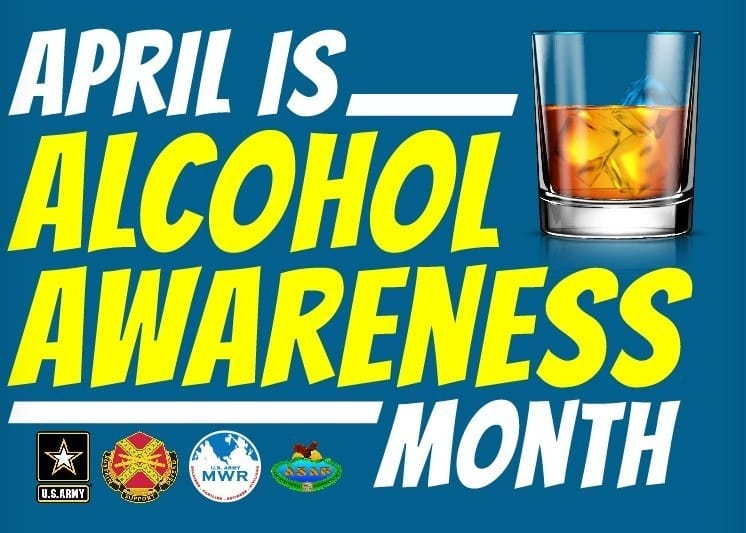
Alcohol consumption has long been a part of social and cultural practices around the world. However, growing evidence suggests that drinking alcohol can significantly increase the risk of developing certain types of cancer. Understanding this relationship is crucial for individuals who consume alcohol and for public health initiatives aimed at reducing cancer incidence.
Research has shown that alcohol is a carcinogen, meaning it has the potential to cause cancer in humans. The International Agency for Research on Cancer (IARC), part of the World Health Organization (WHO), classifies alcohol as a Group 1 carcinogen. This classification indicates that there is sufficient evidence to conclude that alcohol consumption can lead to cancer in humans. The risk is dose-dependent, meaning that the more alcohol one consumes, the higher the risk of developing cancer.
One of the primary mechanisms through which alcohol increases cancer risk is through its metabolism in the body. When alcohol is consumed, it is metabolized into acetaldehyde, a toxic compound that can damage DNA and proteins. This damage can lead to mutations that may result in cancer. Additionally, alcohol can generate reactive oxygen species, which can further contribute to cellular damage and promote cancer development.
Several types of cancer have been linked to alcohol consumption. The most notable include cancers of the mouth, throat, esophagus, liver, breast, and colorectal region. Studies indicate that individuals who consume alcohol regularly have a higher risk of developing these cancers compared to non-drinkers. For instance, research has shown that women who consume even small amounts of alcohol may have an increased risk of breast cancer. This association is particularly concerning given the prevalence of breast cancer among women worldwide.
The relationship between alcohol and cancer is not limited to heavy drinkers. Even moderate alcohol consumption has been associated with an increased risk of certain cancers. The definition of moderate drinking varies, but it is generally considered to be up to one drink per day for women and up to two drinks per day for men. However, even this level of consumption may pose risks, particularly for specific populations or individuals with certain genetic predispositions.
Public health organizations recommend several strategies to reduce the risk of alcohol-related cancers. One of the most effective ways is to limit alcohol consumption. For those who choose to drink, moderation is key. Additionally, individuals should be aware of the types of alcoholic beverages they consume, as some drinks may have higher alcohol content than others. It is also advisable to avoid binge drinking, which is defined as consuming a large quantity of alcohol in a short period. Binge drinking not only increases the risk of acute health issues but also contributes to long-term health risks, including cancer.
Education and awareness are essential components of reducing alcohol-related cancer risks. Public health campaigns can play a significant role in informing individuals about the dangers of excessive alcohol consumption and its link to cancer. These campaigns can also promote healthier lifestyle choices, such as engaging in regular physical activity and maintaining a balanced diet, which can help mitigate some of the risks associated with alcohol.
Furthermore, healthcare providers should engage in discussions with patients about their alcohol consumption habits. Routine screenings and assessments can help identify individuals at risk and provide them with the necessary resources and support to make informed decisions about their drinking. This proactive approach can lead to early interventions and potentially reduce the incidence of alcohol-related cancers.
In conclusion, the link between alcohol consumption and cancer risk is well-established and supported by extensive research. While alcohol may be a common part of social interactions, it is essential to recognize its potential health risks. By understanding the mechanisms behind alcohol-related cancer risks and implementing strategies to reduce consumption, individuals can take proactive steps to protect their health. Public health initiatives and education are vital in raising awareness and promoting healthier choices, ultimately contributing to a decrease in cancer incidence related to alcohol consumption.


