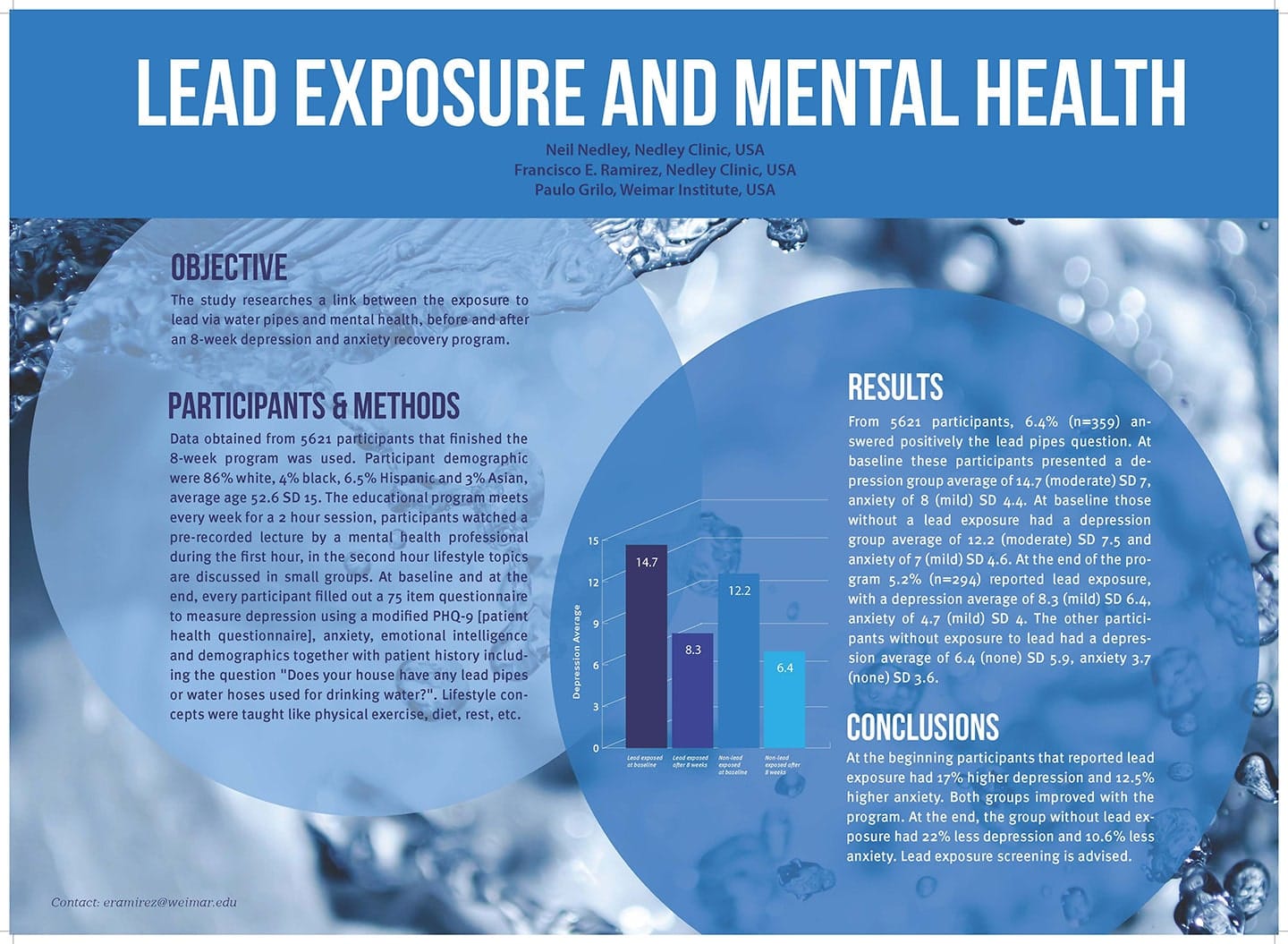
A groundbreaking study published in the journal Environmental Health Perspectives has revealed alarming connections between lead exposure from gasoline and mental health disorders. Researchers estimate that more than 150 million mental health diagnoses globally could be linked to lead exposure, particularly in populations that were heavily impacted by leaded gasoline before its phase-out in many countries.
Lead, a potent neurotoxin, has long been associated with various health issues, particularly in children. The study emphasizes that even low levels of lead exposure can result in cognitive deficits, behavioral problems, and increased risk of psychiatric disorders. The research team, led by Dr. Anna Smith at the University of California, conducted a meta-analysis of existing studies that assessed the impact of lead exposure on mental health.
The findings indicate that regions with a history of leaded gasoline use show significantly higher rates of conditions such as anxiety, depression, and attention-deficit/hyperactivity disorder (ADHD). Dr. Smith notes, “Our analysis underscores the long-term consequences of lead exposure, particularly in vulnerable populations. The legacy of leaded gasoline continues to haunt us, affecting millions who may not even be aware of their exposure.”
The phase-out of leaded gasoline began in the 1970s in the United States and was largely completed by the early 2000s globally. However, the effects of past exposure linger, with lead remaining in the environment and affecting those born during the peak years of leaded gasoline use.
Public health officials are now calling for increased awareness and intervention strategies to mitigate the impact of lead exposure. This includes regular screening for lead levels in children, educational campaigns about the risks of lead, and policies aimed at cleaning up lead-contaminated sites.
In addition, the study advocates for further research into the long-term mental health impacts of lead exposure and the development of effective treatment strategies for those affected. Dr. Smith concludes, “Understanding the link between environmental toxins and mental health is crucial for developing comprehensive public health policies that protect future generations.”
As the world grapples with the consequences of environmental pollution, this research serves as a stark reminder of the importance of addressing legacy pollutants like lead, which continue to affect health on a massive scale. With mental health issues on the rise globally, the implications of this study could inform future health initiatives and policies aimed at reducing the burden of mental health disorders linked to environmental toxins.


