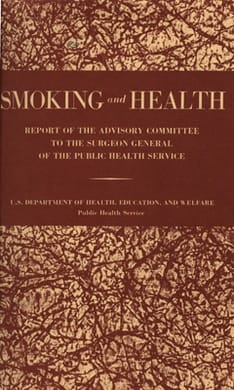
In a landmark announcement, the Surgeon General of the United States has urged that alcohol products be labeled with warnings highlighting their association with an increased risk of cancer. This recommendation marks a pivotal moment in public health advocacy, aiming to inform consumers about the potential dangers of alcohol consumption. The call for such labeling comes in response to growing evidence linking alcohol to several types of cancer, including breast, liver, and colorectal cancers.
The initiative emphasizes the importance of education and awareness in preventing alcohol-related health issues. The Surgeon General’s office noted that while many individuals are aware of the risks associated with excessive alcohol consumption, fewer recognize that even moderate drinking can increase cancer risk. This lack of awareness is concerning, as it may lead to underestimating the potential health hazards associated with alcohol.
Research has shown that alcohol can affect the body in various ways that contribute to cancer development. For instance, ethanol, the active ingredient in alcoholic beverages, is metabolized into acetaldehyde, a compound recognized as a probable human carcinogen. Additionally, alcohol consumption can lead to hormonal changes, particularly in women, which may elevate the risk of hormone-related cancers such as breast cancer. Furthermore, alcohol can impair the body’s ability to absorb essential nutrients, weaken the immune system, and cause inflammation, all of which can contribute to cancer progression.
The Surgeon General’s recommendation is not without precedent. Similar warnings have been implemented in other countries, where health officials have sought to mitigate the risks associated with alcohol through more informative labeling. For example, several European nations have introduced labels on alcoholic beverages that explicitly state the cancer risks, aiming to empower consumers to make informed choices about their drinking habits. These initiatives have been supported by public health campaigns that educate individuals on the health implications of alcohol consumption.
In the United States, the proposal to include cancer warnings on alcohol products has garnered support from various health organizations and advocacy groups. These entities argue that clear labeling is essential for promoting transparency in the alcohol industry and ensuring that consumers are fully informed about the potential risks of their choices. By implementing these warnings, the Surgeon General aims to foster a culture of health awareness, encouraging individuals to consider their alcohol consumption more critically.
Opposition to this initiative primarily stems from concerns about the impact on the alcohol industry. Critics argue that such warnings could negatively affect sales and harm businesses, particularly smaller breweries and wineries. They contend that the focus should instead be on responsible drinking and education rather than imposing additional regulations that could be perceived as punitive. Nonetheless, proponents of the warning labels assert that consumer safety should take precedence over commercial interests.
As discussions surrounding the Surgeon General’s recommendation continue, it is crucial to consider the broader implications for public health policy. The potential introduction of cancer warnings on alcohol products could set a precedent for how health risks are communicated to consumers across various industries. It may also prompt further research into the health effects of alcohol and the development of more comprehensive public health strategies aimed at reducing alcohol-related harm.
In addition to labeling, the Surgeon General’s office has emphasized the need for ongoing public education campaigns to raise awareness about the risks associated with alcohol consumption. These campaigns could include information on the safe limits of alcohol intake, the importance of regular health screenings, and the benefits of abstaining from alcohol altogether. By providing individuals with the necessary knowledge and resources, public health officials hope to encourage healthier lifestyle choices and reduce the incidence of alcohol-related diseases.
In conclusion, the Surgeon General’s call for cancer warnings on alcohol products represents a significant step toward enhancing public awareness of the risks associated with alcohol consumption. This initiative aims to empower consumers with knowledge, fostering a more informed society that can make healthier choices. As discussions continue, it will be essential to balance public health interests with the concerns of the alcohol industry, ensuring that any measures taken are both effective and equitable.