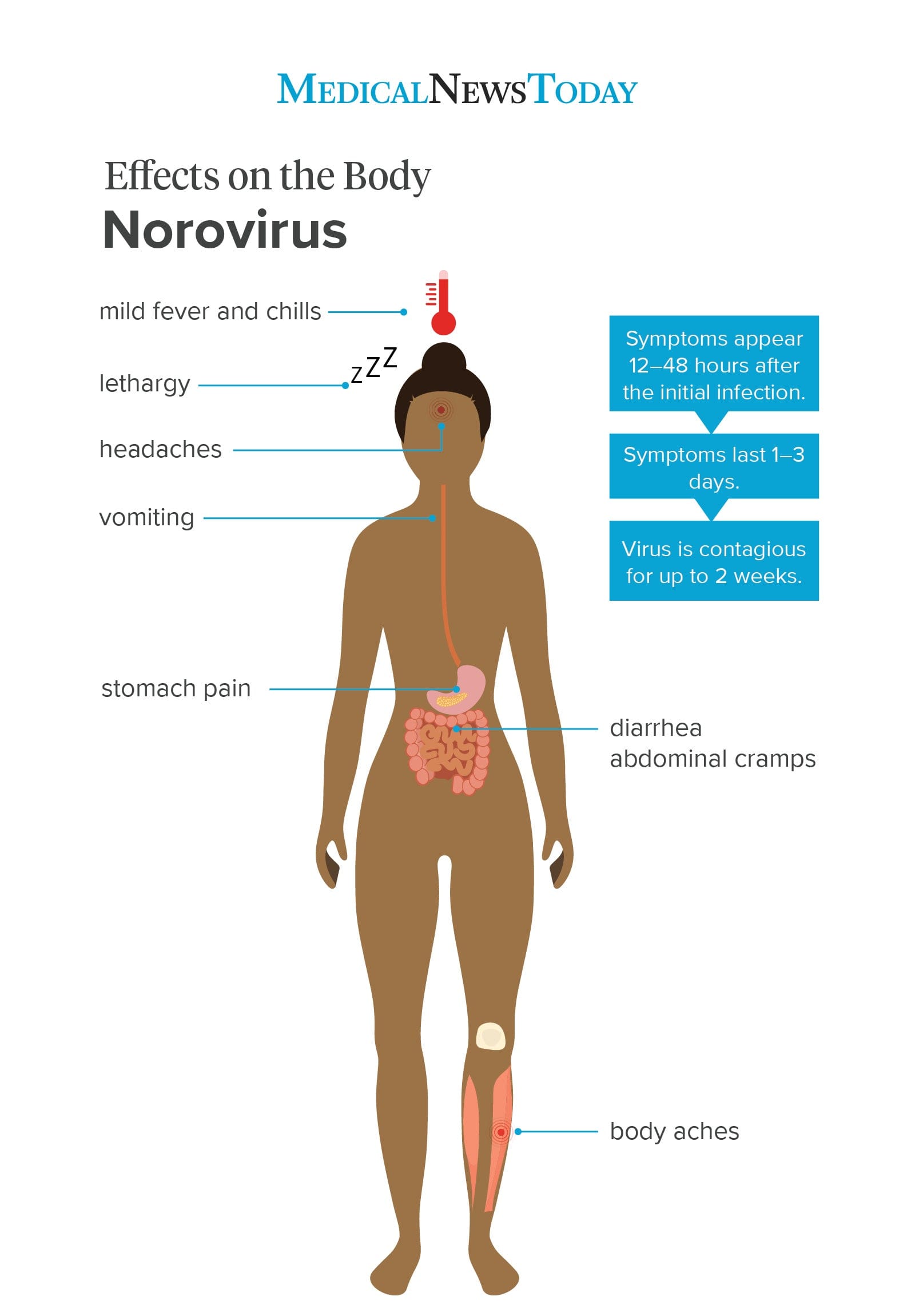
The Centers for Disease Control and Prevention (CDC) has recently reported a notable rise in norovirus cases across several parts of the United States. Norovirus, often referred to as the “winter vomiting bug,” is a highly contagious virus that causes gastroenteritis, leading to symptoms such as vomiting, diarrhea, and stomach cramps. The current surge in cases is particularly concerning, as norovirus is notorious for its ability to spread rapidly in environments where people are in close contact, such as schools, nursing homes, and cruise ships.
The CDC’s data highlights that the increase in norovirus cases is not limited to one specific area but has been observed in multiple states. Health officials attribute this rise to several factors, including seasonal patterns, increased social interactions, and lapses in hygiene practices. Norovirus outbreaks tend to peak during the winter months, with the virus thriving in colder weather when people are more likely to gather indoors.
Norovirus is primarily transmitted through the fecal-oral route, which can occur through contaminated food, surfaces, or direct person-to-person contact. This makes it crucial for individuals to adhere to stringent hygiene practices, particularly handwashing with soap and water. While hand sanitizers can be effective against many germs, they are less effective against norovirus. Therefore, the CDC emphasizes the importance of thorough handwashing, especially after using the restroom or before preparing food.
In addition to personal hygiene, public health officials are calling for heightened awareness in food handling practices. Foodborne transmission of norovirus can occur when food is prepared by an infected individual or when contaminated surfaces come into contact with food. The CDC advises food workers to remain vigilant about their health and to stay home if they exhibit symptoms of norovirus infection. It is also recommended that food establishments maintain rigorous cleaning protocols to prevent potential outbreaks.
The symptoms of norovirus infection typically appear 12 to 48 hours after exposure and can last for one to three days. While most individuals recover without requiring medical attention, the virus can lead to severe dehydration, particularly in vulnerable populations such as young children, the elderly, and those with weakened immune systems. Health professionals advise that anyone experiencing persistent vomiting, diarrhea, or signs of dehydration should seek medical care.
As the number of reported cases continues to rise, health officials are also focusing on educating the public about the importance of staying informed about norovirus outbreaks in their communities. The CDC provides resources and guidelines on how to prevent the spread of norovirus and what to do in the event of an outbreak. These resources are vital for schools, healthcare facilities, and community organizations that may be at higher risk for norovirus transmission.
In response to the surge in cases, some states have begun implementing additional measures to monitor and control outbreaks. This includes increasing surveillance in high-risk settings and providing additional training for food service workers. Public health campaigns are also being launched to raise awareness about the importance of hygiene and the steps individuals can take to protect themselves and others from norovirus.
The CDC continues to work closely with state and local health departments to track the spread of norovirus and to provide support for outbreak response efforts. By sharing information and resources, public health officials aim to mitigate the impact of norovirus outbreaks and to protect the health of communities across the nation.
In conclusion, the recent surge in norovirus cases in the United States serves as a reminder of the importance of public health vigilance, particularly during the winter months when the virus is most prevalent. By adhering to recommended hygiene practices and staying informed about potential outbreaks, individuals can play a critical role in preventing the spread of norovirus. As health officials continue to monitor the situation, it is essential for communities to remain proactive in their efforts to combat this highly contagious virus.


