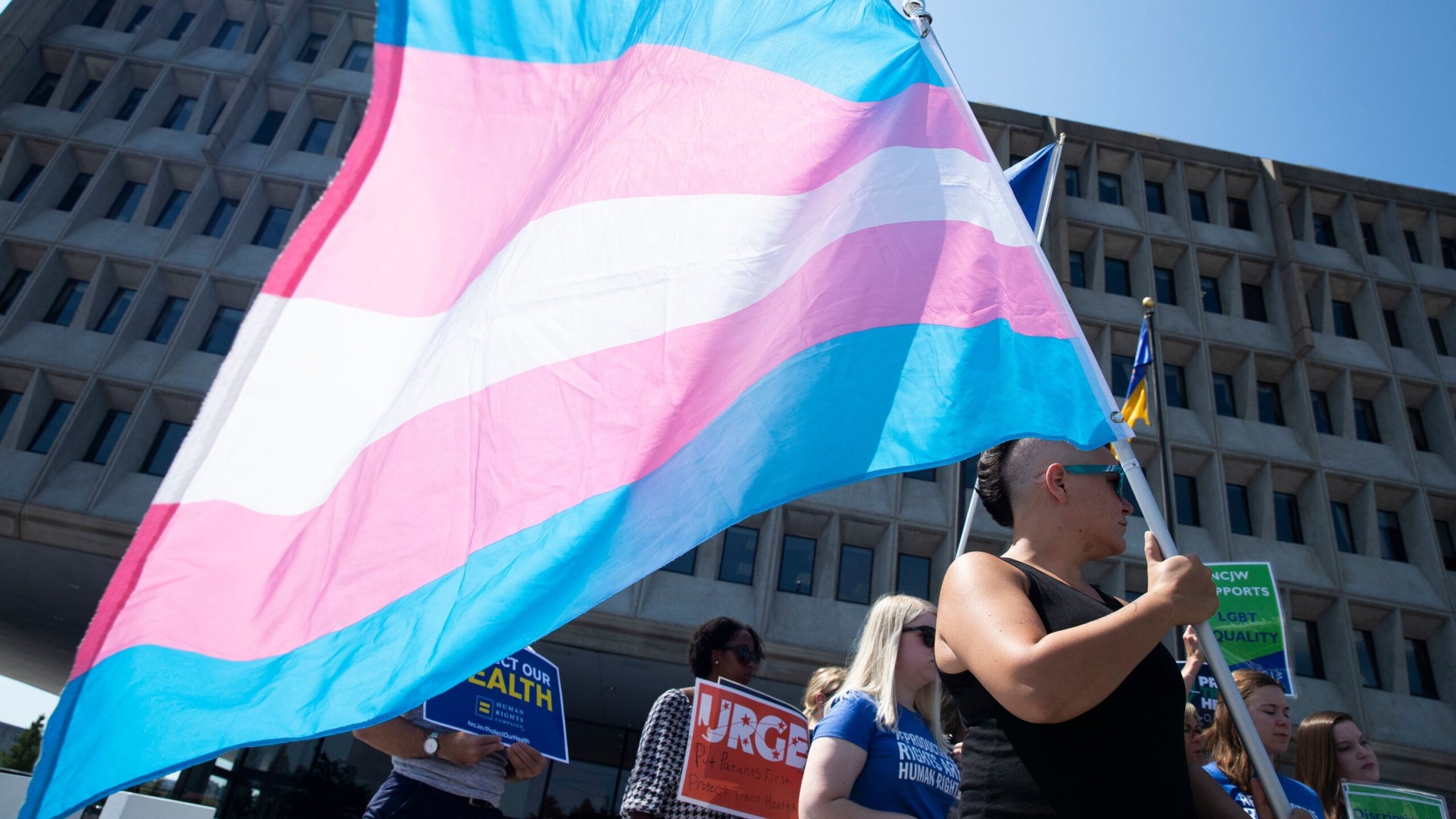
In a landmark session, the Supreme Court of the United States is deliberating on a significant case concerning the legality of banning transgender healthcare for minors. This case, which has drawn national attention, highlights the ongoing debates surrounding transgender rights and healthcare access, particularly for young individuals navigating their gender identity.
The case, which originated from a challenge to a state law in Arkansas that prohibited the provision of gender-affirming medical care to minors, raises critical questions about the intersection of healthcare, parental rights, and state regulations. Proponents of the ban argue that minors are not mature enough to make such significant medical decisions, while opponents assert that denying such care can lead to severe mental health consequences for transgender youth.
During the hearings, justices heard from a variety of experts, including medical professionals, legal scholars, and advocates for transgender rights. Many medical organizations, including the American Academy of Pediatrics and the American Medical Association, have expressed strong opposition to such bans, emphasizing that gender-affirming care is essential for the well-being of transgender youth. They argue that these treatments, which may include hormone therapy and puberty blockers, are medically necessary for many individuals and can significantly reduce the risk of depression, anxiety, and suicidal ideation.
On the other side, supporters of the ban contend that such decisions should be made with greater caution, citing concerns about the long-term effects of medical interventions on developing bodies. They argue that the state has a responsibility to protect minors from potentially irreversible decisions.
As the justices weigh the arguments, the outcome of this case could have widespread implications. If the Court rules in favor of the ban, it could embolden other states to enact similar legislation, potentially limiting access to essential healthcare for transgender youth nationwide. Conversely, a ruling against the ban could reaffirm the rights of minors to access gender-affirming care and set a precedent for future legal battles over transgender rights.
The case has also sparked protests and rallies across the country, with advocates for transgender rights urging the Court to uphold access to necessary medical care. Many see this case as not just a legal issue, but a moral one, reflecting broader societal attitudes towards gender identity and acceptance.
As the Supreme Court deliberates, the nation watches closely, aware that the implications of this case extend far beyond the courtroom and into the lives of countless transgender minors and their families. The decision is expected to be announced in the upcoming months, and it is poised to become a pivotal moment in the ongoing struggle for transgender rights in the United States.