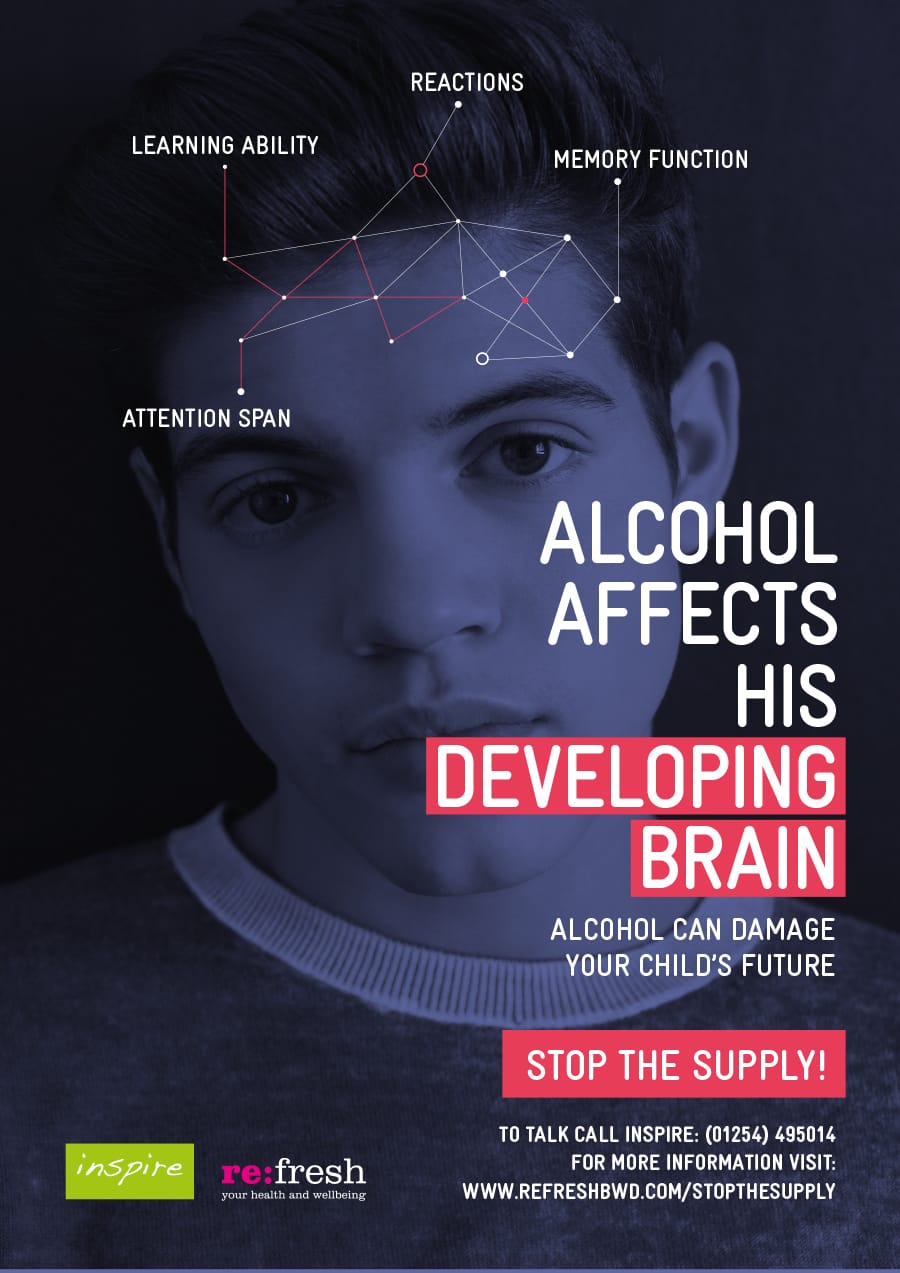
The recent advisory from the U.S. Surgeon General has brought attention to a significant public health concern: the relationship between alcohol consumption, even in modest amounts, and an increased risk of cancer. This announcement marks a pivotal moment in the ongoing discussion about alcohol and health, as it emphasizes the need for greater awareness and transparency regarding the risks associated with drinking.
Historically, alcohol consumption has been a socially accepted practice, often associated with celebrations, gatherings, and relaxation. However, the Surgeon General’s advisory challenges the long-standing perception that moderate drinking is harmless. The advisory states unequivocally that there is no safe level of alcohol consumption when it comes to cancer risk. This assertion is based on a growing body of research that links alcohol intake to various types of cancer, including breast, liver, and colorectal cancers.
The Surgeon General’s office has called for the implementation of warning labels on alcoholic beverages, similar to those found on tobacco products. These labels would serve to inform consumers of the potential health risks associated with alcohol consumption, thereby promoting informed decision-making. The proposed labels would highlight the connection between alcohol and cancer, aiming to reduce consumption and ultimately lower cancer rates.
The rationale behind this initiative stems from extensive studies that have demonstrated a clear correlation between alcohol consumption and cancer risk. Research indicates that even small quantities of alcohol can lead to cellular damage, which may contribute to the development of cancer over time. The risk increases with the amount of alcohol consumed, but the Surgeon General’s advisory underscores that even low levels are not without danger.
Furthermore, the advisory emphasizes the importance of public health education in mitigating the risks associated with alcohol. It calls for healthcare providers to engage in conversations with patients about their alcohol consumption habits and the potential health implications. By fostering an environment where individuals are informed about the risks, the hope is to encourage healthier choices and promote overall well-being.
In addition to cancer risks, the advisory also touches upon other health concerns related to alcohol consumption, including liver disease, cardiovascular problems, and mental health issues. The multifaceted nature of alcohol’s impact on health necessitates a comprehensive approach to public health messaging. By addressing these risks collectively, the Surgeon General aims to encourage a broader understanding of the potential consequences of alcohol use.
The response to the advisory has been mixed, with some public health advocates praising the initiative as a necessary step toward reducing alcohol-related harm. Others, however, express concerns about the potential economic implications for the alcohol industry and the social stigma that may arise from increased awareness of alcohol’s risks. Regardless of the response, the Surgeon General’s advisory represents a significant shift in the narrative surrounding alcohol consumption and health.
As the conversation around alcohol and health evolves, it is essential for consumers to stay informed and make educated choices. The Surgeon General’s advisory serves as a reminder that even seemingly innocuous habits can have profound effects on health. By understanding the risks associated with alcohol consumption, individuals can take proactive steps to protect their health and well-being.
In conclusion, the U.S. Surgeon General’s recent advisory highlights the critical need for awareness regarding the risks of alcohol consumption, particularly in relation to cancer. The call for warning labels on alcoholic beverages reflects a growing recognition of the importance of informed decision-making in public health. As research continues to uncover the complexities of alcohol’s impact on health, it is vital for individuals to remain vigilant and consider the potential consequences of their choices.