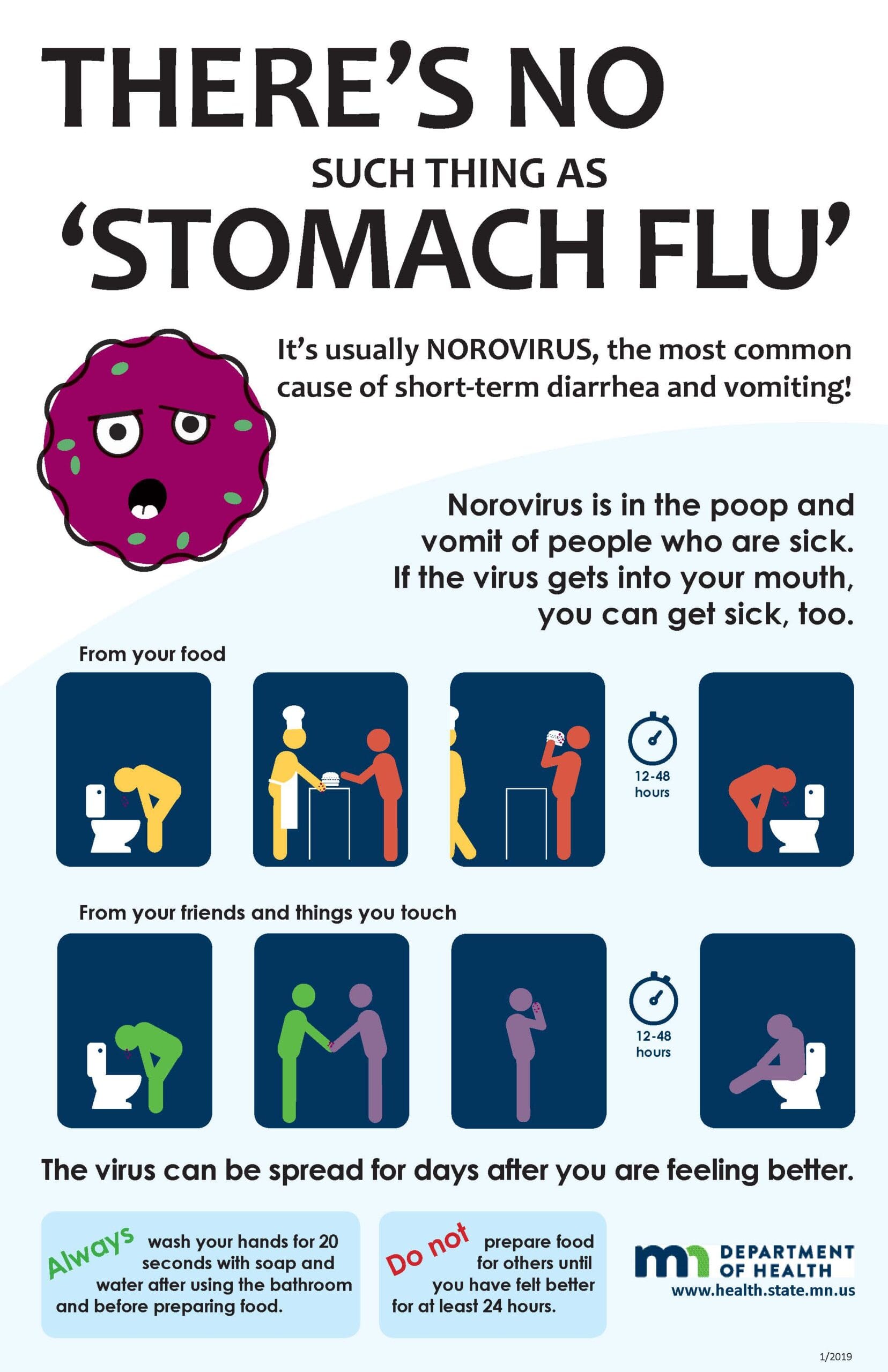
The United States is currently facing a troubling surge in norovirus cases, as reported by the Centers for Disease Control and Prevention (CDC). Norovirus is a highly contagious virus that primarily causes gastroenteritis, an inflammation of the stomach and intestines, leading to symptoms such as severe vomiting, diarrhea, stomach pain, and nausea. The recent rise in cases has raised alarms among health officials, prompting calls for increased awareness and preventive measures to combat the spread of this virus.
Norovirus outbreaks are not uncommon, especially during the winter months when the virus tends to circulate more widely. However, the current surge appears to be more pronounced than in previous years, with certain regions experiencing higher-than-usual infection rates. The CDC has noted that outbreaks are often linked to contaminated food, water, and surfaces, as well as close contact with infected individuals. As a result, the agency is emphasizing the importance of proper hygiene practices to reduce transmission.
One of the primary modes of transmission for norovirus is through contaminated food. The virus can be present in raw or undercooked shellfish, fruits, and vegetables, particularly if they have been washed with contaminated water. The CDC advises consumers to ensure that food is thoroughly cooked and to wash fruits and vegetables properly before consumption. Additionally, food handlers are encouraged to practice stringent hygiene measures, including frequent handwashing, to prevent the virus from spreading through food preparation.
In addition to foodborne transmission, norovirus can spread rapidly in crowded environments, such as schools, nursing homes, and cruise ships. The virus can survive on surfaces for extended periods, making it easy for individuals to contract it by touching contaminated objects and then touching their mouths or faces. The CDC recommends regular cleaning and disinfecting of surfaces, particularly in communal settings, to minimize the risk of infection. High-touch areas such as doorknobs, light switches, and countertops should be prioritized for cleaning.
Individuals who suspect they may have contracted norovirus are advised to stay at home and avoid close contact with others to prevent further transmission. Symptoms typically appear 12 to 48 hours after exposure, and the illness usually lasts one to three days. While most healthy individuals recover without complications, norovirus can pose serious health risks to young children, the elderly, and those with weakened immune systems. In severe cases, dehydration can occur, necessitating medical attention.
Health officials emphasize that norovirus is resilient and can withstand various environmental conditions, making it challenging to control. As such, public health campaigns are being implemented to educate communities about the importance of hygiene and sanitation in preventing outbreaks. The CDC has also launched initiatives to monitor and respond to norovirus trends, aiming to provide timely information and resources to healthcare providers and the public.
The surge in norovirus cases serves as a reminder of the importance of public health measures and individual responsibility in combating infectious diseases. As the winter months approach, individuals are encouraged to remain vigilant and adopt preventive practices to protect themselves and their communities. This includes frequent handwashing with soap and water, especially after using the restroom or before eating, as well as avoiding sharing personal items that may come into contact with bodily fluids.
In conclusion, the recent increase in norovirus cases in the United States has prompted health officials to take action and raise awareness about the virus’s transmission and prevention. By following recommended hygiene practices and staying informed about outbreaks, individuals can play a crucial role in reducing the spread of norovirus. The CDC continues to monitor the situation closely and provide guidance to help mitigate the impact of this highly contagious virus on public health.