The recent increase in Norovirus cases has raised concerns among public health officials and healthcare providers. Norovirus, often referred to as the “stomach bug,” is a highly contagious virus that causes gastroenteritis, leading to symptoms such as vomiting, diarrhea, and stomach cramps. The virus is notorious for its ability to spread rapidly in crowded environments, such as schools, nursing homes, and cruise ships, making awareness and prevention critical.
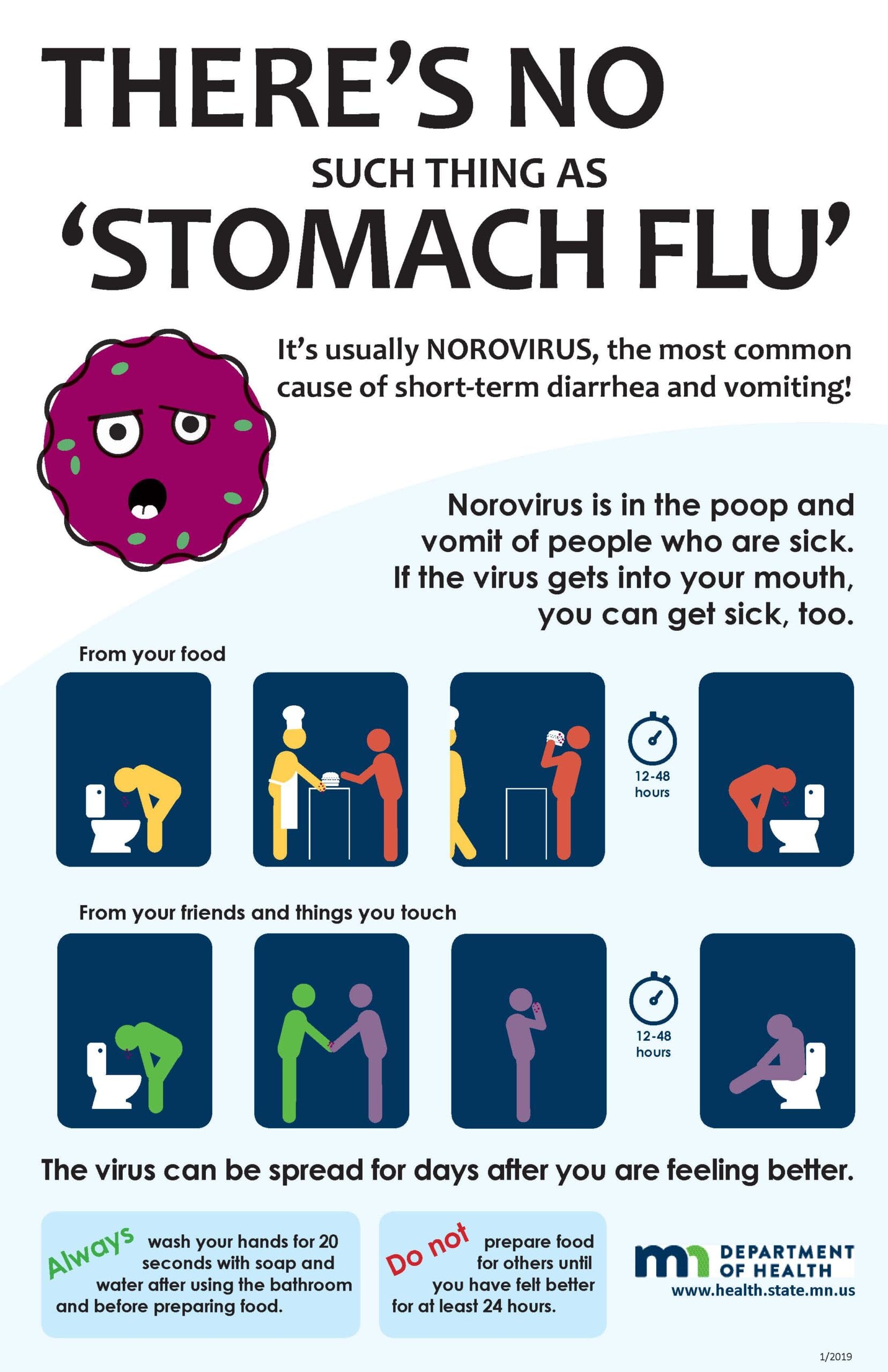
Norovirus is transmitted through contaminated food, water, surfaces, and close contact with infected individuals. The virus can survive on surfaces for extended periods, and even a small number of viral particles can lead to infection. This resilience is one reason why outbreaks can occur and spread so quickly. Health experts note that the current surge in cases may be attributed to a combination of factors, including seasonal variations and increased social interactions as restrictions from the COVID-19 pandemic have eased.
Recognizing the symptoms of Norovirus is essential for timely intervention and preventing further spread. The onset of symptoms typically occurs 12 to 48 hours after exposure to the virus. Common signs include sudden onset of nausea, vomiting, diarrhea, and abdominal pain. In some cases, individuals may also experience fever, headache, and muscle aches. It is important to note that symptoms can vary in severity, and while most people recover within one to three days, dehydration can become a serious concern, particularly for young children, the elderly, and individuals with weakened immune systems.
If an individual suspects they have contracted Norovirus, it is advisable to stay home to avoid spreading the virus to others. Healthcare professionals recommend drinking plenty of fluids to stay hydrated, as vomiting and diarrhea can lead to significant fluid loss. In severe cases, medical attention may be necessary to address dehydration. Over-the-counter medications may help alleviate symptoms, but it is crucial to consult a healthcare provider before taking any medication, especially for children.
Preventing the spread of Norovirus involves several key practices. Frequent handwashing with soap and water is one of the most effective ways to reduce the risk of infection. Alcohol-based hand sanitizers may be useful, but they are not a substitute for handwashing, especially after using the restroom or before handling food. It is also essential to clean and disinfect surfaces that may be contaminated, particularly in communal areas.
Food safety is another critical aspect of Norovirus prevention. Individuals should ensure that food is cooked thoroughly and handled properly to avoid contamination. Fruits and vegetables should be washed thoroughly before consumption, and food preparation areas should be kept clean. Additionally, those who are sick should avoid preparing food for others until at least 48 hours after their symptoms have resolved.
Public health officials are closely monitoring the current surge in Norovirus cases and are urging communities to remain vigilant. Outbreaks can occur in various settings, and prompt reporting of cases can help control the spread of the virus. Schools and workplaces are encouraged to implement policies that promote hygiene and encourage individuals to stay home when ill.
In conclusion, the rise in Norovirus cases serves as a reminder of the importance of hygiene and awareness in preventing the spread of this highly contagious virus. By recognizing symptoms, practicing good hand hygiene, and following food safety guidelines, individuals can play a significant role in protecting themselves and their communities. As the situation evolves, healthcare professionals will continue to provide guidance and support to help mitigate the impact of Norovirus outbreaks.

