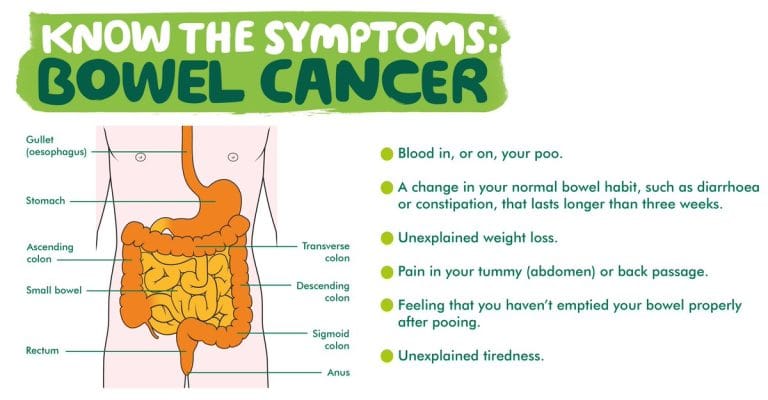
Bowel cancer, also known as colorectal cancer, is a type of cancer that affects the large intestine (colon) or the rectum. It is one of the most common types of cancer in the world, with over 1.8 million new cases diagnosed every year. Despite its prevalence, bowel cancer is often diagnosed at an advanced stage, when treatment options are limited. In this article, we will explore the personal story of a bowel cancer patient who was diagnosed with stage 4 cancer and highlight the key symptoms they experienced, including one that they wish they had recognized earlier.
The patient, who wishes to remain anonymous, was a healthy 55-year-old individual with no family history of bowel cancer. They had always been diligent about attending regular health check-ups and screenings, but despite this, they were diagnosed with stage 4 bowel cancer. The diagnosis came as a shock, and the patient was left wondering if there were any signs or symptoms that they had missed.
Looking back, the patient recalls experiencing several symptoms that they had brushed off as minor or unrelated to cancer. One of the earliest symptoms they experienced was persistent bloating and discomfort in the abdominal area. At first, they thought it was just a side effect of eating too much or not exercising enough, but as the discomfort persisted, they began to suspect that something was amiss.
Another symptom the patient experienced was changes in bowel habits. They noticed that they were having more frequent bowel movements, and their stools were becoming narrower and more ribbon-like. They also experienced occasional blood in their stool, which they initially thought was due to hemorrhoids or anal fissures.
However, there was one symptom that the patient wishes they had recognized earlier: unexplained weight loss. Over the course of several months, the patient had lost a significant amount of weight, which they had attributed to stress and a busy work schedule. In hindsight, they realize that this was a classic symptom of bowel cancer, and if they had sought medical attention earlier, their cancer may have been diagnosed at an earlier stage.
The patient’s story highlights the importance of recognizing the often-overlooked signs of bowel cancer. Bowel cancer is a silent killer, and it can progress rapidly without any noticeable symptoms. However, there are several key symptoms that individuals should be aware of, including:
* Persistent bloating and discomfort in the abdominal area
* Changes in bowel habits, such as more frequent bowel movements or narrower stools
* Blood in the stool or black, tarry stools
* Unexplained weight loss
* Fatigue or weakness
* Loss of appetite
* Nausea and vomiting
It is essential to note that these symptoms can be caused by other conditions, and only a medical professional can determine if they are related to bowel cancer. However, if individuals experience any of these symptoms, they should seek medical attention immediately.
Early detection is critical in the treatment of bowel cancer. If diagnosed at an early stage, bowel cancer can be treated with surgery, chemotherapy, or radiation therapy. However, if diagnosed at an advanced stage, treatment options are limited, and the prognosis is often poor.
In recent years, there have been significant advances in the diagnosis and treatment of bowel cancer. Screening tests, such as colonoscopies and fecal occult blood tests, can detect bowel cancer at an early stage, even before symptoms appear. Additionally, new treatments, such as targeted therapies and immunotherapies, have improved outcomes for patients with advanced bowel cancer.
In conclusion, the patient’s story highlights the importance of recognizing the often-overlooked signs of bowel cancer. By being aware of the key symptoms and seeking medical attention early, individuals can increase their chances of early detection and treatment. It is essential to remember that bowel cancer is a silent killer, and only by being vigilant can we hope to catch it early.

