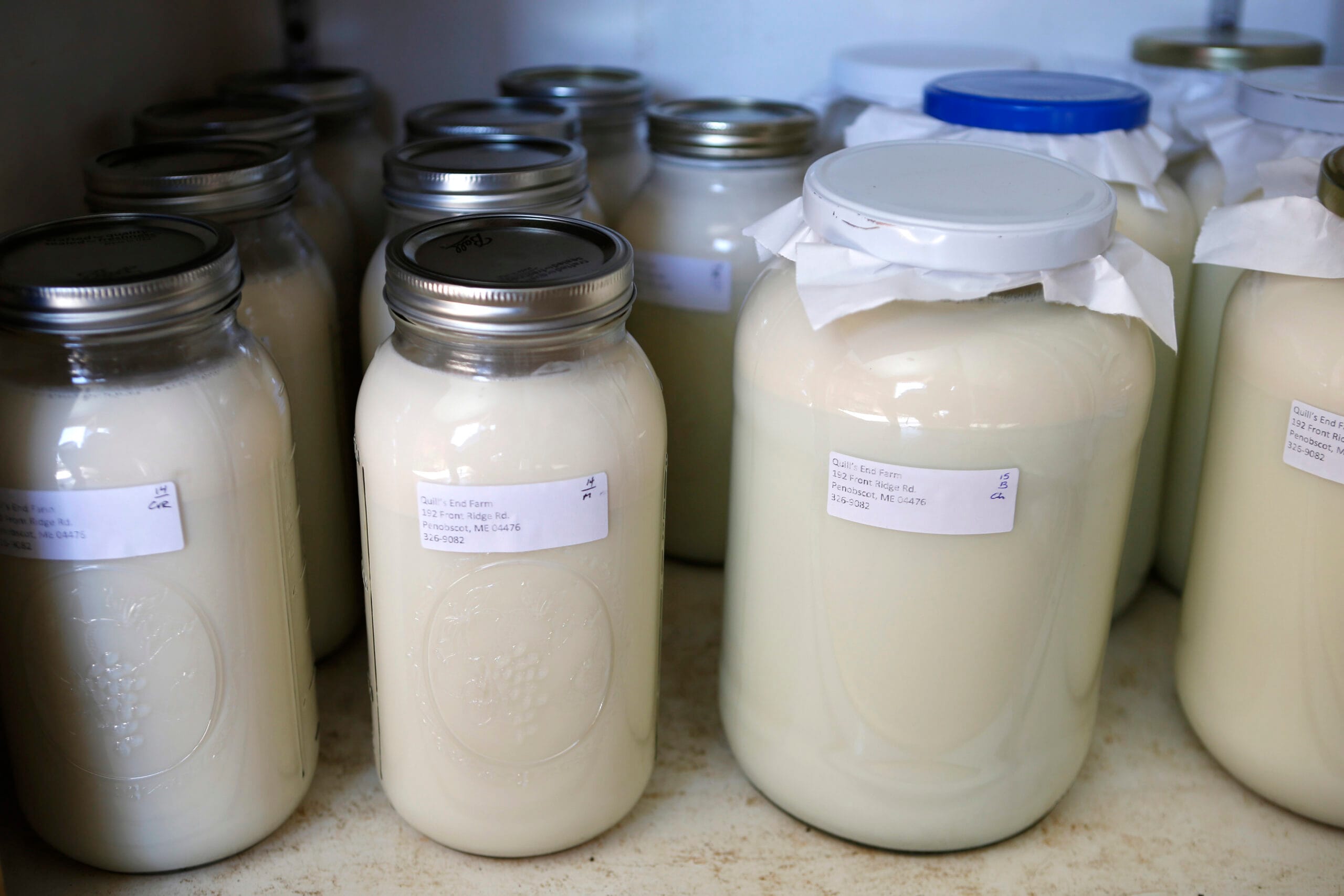
Raw milk, which is milk that has not been pasteurized or homogenized, has been a topic of debate in recent years. While some proponents argue that it offers superior nutritional benefits and better taste, health experts warn that the risks associated with its consumption far outweigh any potential benefits.
In California, the situation has taken a concerning turn, with a growing number of illnesses reported among people who consumed raw milk. According to data from the California Department of Public Health, there has been a significant increase in cases of foodborne illnesses linked to raw milk consumption in the past year.
Experts point out that raw milk can contain a range of pathogens, including Salmonella, E. coli, and Listeria, which can cause serious illnesses, particularly in vulnerable populations. In fact, the Centers for Disease Control and Prevention (CDC) estimates that unpasteurized milk is 150 times more likely to cause foodborne illness than pasteurized milk.
One of the primary concerns with raw milk is its potential to cause outbreaks of serious illnesses. In 2011, a multistate outbreak of E. coli O157:H7 was linked to raw milk consumption, resulting in 80 illnesses and one death. Similarly, in 2016, a outbreak of Campylobacter infections was linked to raw milk consumption in California, resulting in 39 illnesses.
Health experts emphasize that the risks associated with raw milk consumption are particularly significant for certain populations. Young children, pregnant women, and people with weakened immune systems are more susceptible to the pathogens present in raw milk, and can experience severe illnesses as a result.
“Pregnant women, young children, and people with weakened immune systems should avoid consuming raw milk and raw milk products altogether,” said Dr. Karen Smith, Director of the California Department of Public Health. “The risks associated with raw milk consumption are simply too great, and the potential consequences can be devastating.”
Despite the risks, some proponents of raw milk argue that it offers superior nutritional benefits and better taste. However, health experts point out that these claims are largely anecdotal and not supported by scientific evidence.
In fact, a 2010 study published in the Journal of the American Medical Association found that there was no significant difference in the nutritional content of pasteurized and unpasteurized milk. Similarly, a 2019 review of the literature on raw milk consumption published in the journal Nutrients found that the evidence for its health benefits was “limited and inconclusive.”
In light of the growing concerns over raw milk consumption, health officials in California are urging consumers to exercise caution when purchasing dairy products. “We urge consumers to choose pasteurized milk and dairy products, which have been proven to be safe and nutritious,” said Dr. Smith.
In addition to the risks associated with raw milk consumption, health experts are also concerned about the lack of regulation in the industry. Unlike pasteurized milk, which is subject to strict safety standards and regulations, raw milk is often produced and sold outside of traditional regulatory frameworks.
“This lack of regulation creates a Wild West situation, where consumers are at risk of being exposed to serious pathogens,” said Dr. William Marler, a food safety expert and attorney. “We need to do a better job of regulating the raw milk industry to protect public health.”
In response to the growing concerns over raw milk consumption, some states have implemented strict regulations on the sale of unpasteurized dairy products. In California, for example, raw milk can only be sold through licensed dairy farms and must be labeled as “unpasteurized” or “raw.”
However, health experts argue that more needs to be done to protect public health. “We need to take a comprehensive approach to addressing the risks associated with raw milk consumption,” said Dr. Smith. “This includes education, regulation, and enforcement to ensure that consumers are protected.”
In conclusion, the risks associated with raw milk consumption are significant and should not be taken lightly. While some proponents argue that it offers superior nutritional benefits and better taste, the evidence suggests that these claims are largely anecdotal and not supported by scientific evidence. As the situation in California demonstrates, the risks associated with raw milk consumption can have serious consequences, particularly for vulnerable populations. By exercising caution and choosing pasteurized milk and dairy products, consumers can protect themselves and their loved ones from the potential risks associated with raw milk consumption.