Norovirus, often referred to as the “winter vomiting bug,” is a highly contagious virus that can cause acute gastroenteritis, leading to symptoms such as vomiting, diarrhea, stomach cramps, and nausea. As the colder months approach, health officials in various parts of the United States are reporting a surge in norovirus cases, prompting concerns about its rapid spread and impact on public health.
The Centers for Disease Control and Prevention (CDC) has noted that norovirus is responsible for a significant number of gastrointestinal illnesses each year, affecting people of all ages. It is particularly notorious for its ability to spread quickly in crowded environments such as schools, nursing homes, and cruise ships. The current uptick in cases serves as a reminder for the public to remain vigilant and informed about the virus and its implications.
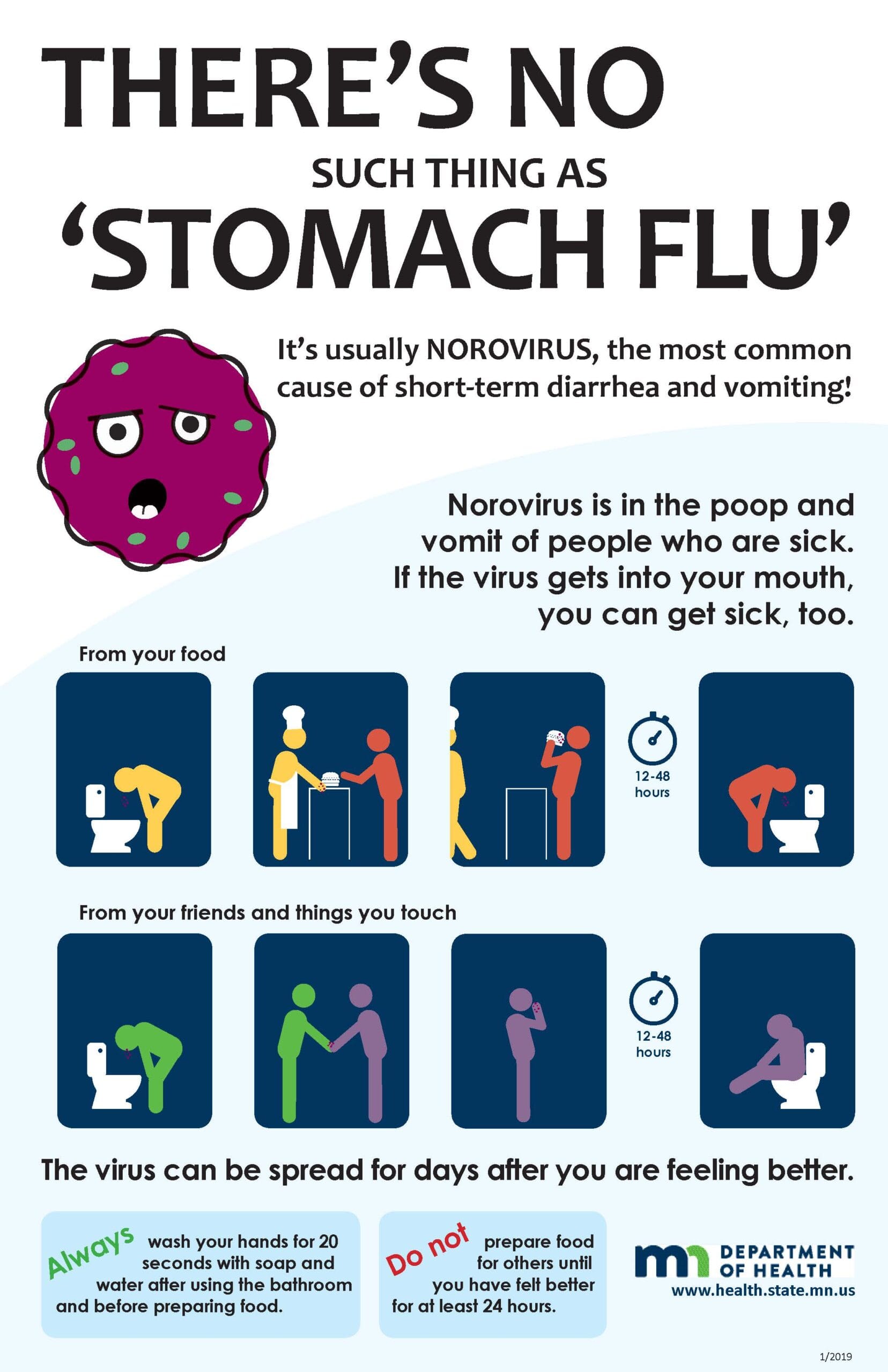
Norovirus is primarily transmitted through the fecal-oral route, which can occur in several ways. One common method of transmission is through contaminated food or water. The virus can survive on surfaces for extended periods, making it easy for individuals to contract it by touching contaminated surfaces and then touching their mouths. Additionally, close contact with an infected person can also lead to transmission, especially in settings where people are in close quarters.
Symptoms of norovirus infection typically appear 12 to 48 hours after exposure to the virus. The onset of symptoms can be sudden, and individuals may experience severe vomiting and diarrhea, which can lead to dehydration. Other symptoms may include stomach pain, fever, and body aches. While most people recover within one to three days, the virus can be particularly dangerous for vulnerable populations, including young children, the elderly, and individuals with weakened immune systems.
Preventing the spread of norovirus requires a combination of good hygiene practices and awareness of the virus’s transmission methods. Health officials recommend frequent handwashing with soap and water, especially after using the restroom, before preparing food, and after caring for someone who is ill. Alcohol-based hand sanitizers may be effective to some extent, but they are not a substitute for handwashing with soap and water.
In addition to hand hygiene, individuals should be cautious when preparing food. It is essential to wash fruits and vegetables thoroughly and to cook seafood to safe temperatures. If someone in a household is infected with norovirus, it is advisable to avoid preparing food for others until at least 48 hours after symptoms have resolved. Disinfecting surfaces that may be contaminated, such as countertops and bathroom fixtures, is also crucial in preventing the spread of the virus.
Public health officials are closely monitoring the current surge in norovirus cases and are working to provide guidance to communities on how to respond effectively. In the event of an outbreak, local health departments may implement measures to contain the spread of the virus, such as advising schools and childcare facilities on sanitation practices and encouraging individuals to stay home if they are experiencing symptoms.
The rise in norovirus cases serves as a reminder of the importance of public health education and awareness. Communities are encouraged to stay informed about the virus, its symptoms, and preventive measures. By promoting good hygiene practices and being vigilant during the colder months, individuals can help reduce the risk of norovirus transmission within their communities.
As the situation evolves, health officials continue to provide updates on norovirus activity across the United States. It is essential for individuals to remain informed and proactive in their efforts to prevent the spread of this highly contagious virus. By taking simple yet effective precautions, communities can work together to minimize the impact of norovirus outbreaks.
In conclusion, the recent surge in norovirus cases highlights the importance of understanding this virus and its implications for public health. By recognizing the symptoms, transmission methods, and preventive measures, individuals can play a crucial role in protecting themselves and their communities from norovirus infections. Staying informed and practicing good hygiene are key steps in combating the spread of this stomach virus as we navigate the upcoming winter months.