Dementia is a growing concern worldwide, affecting millions of individuals and their families. As the population ages, understanding the risk factors associated with early onset dementia has become increasingly important. A recent major study has shed light on 15 factors that may significantly influence the likelihood of developing this debilitating condition. The research, conducted by a team of experts in neurology and public health, emphasizes the complex interplay between genetics, lifestyle, and environmental factors in determining cognitive health.
The study involved a large cohort of participants, spanning various demographics and geographic locations. Researchers utilized a combination of surveys, medical records, and cognitive assessments to gather comprehensive data on the participants’ health and lifestyle choices. The findings revealed that both modifiable and non-modifiable factors play a crucial role in early dementia risk.
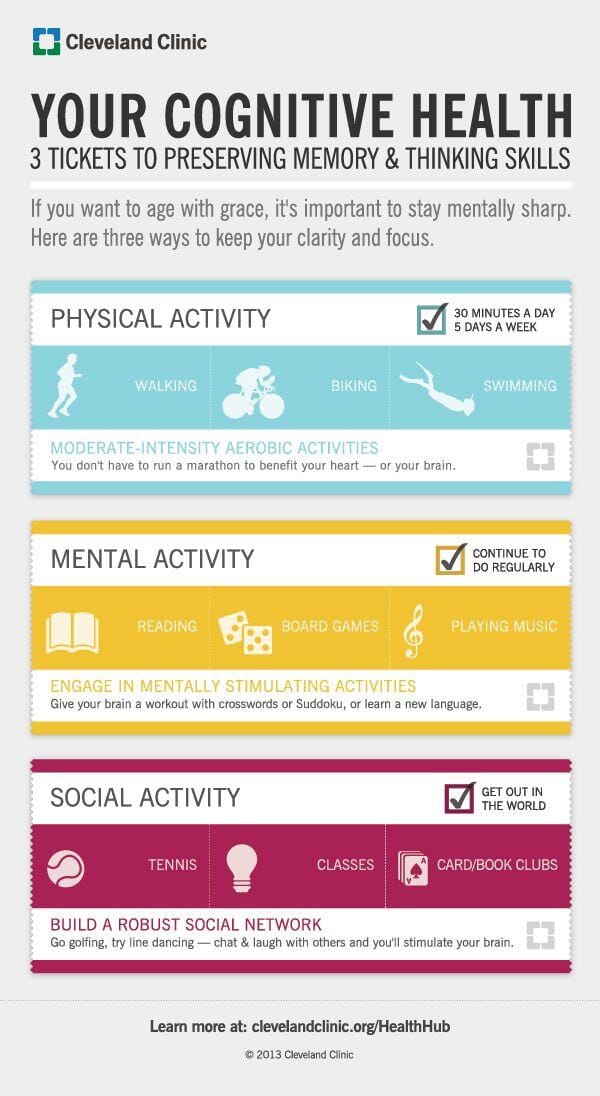
Among the identified factors, several lifestyle choices emerged as significant contributors. Physical inactivity was found to be a major risk factor, with individuals who engaged in regular exercise showing a lower likelihood of developing dementia. The study also highlighted the importance of a balanced diet, with diets rich in fruits, vegetables, and omega-3 fatty acids associated with better cognitive outcomes. Conversely, diets high in processed foods and sugars were linked to an increased risk of dementia.
Social engagement was another critical factor identified in the study. Participants who maintained strong social connections and engaged in regular social activities exhibited a reduced risk of cognitive decline. This finding underscores the importance of community and relationships in promoting mental health and well-being.
In addition to lifestyle factors, the study also examined medical conditions that may contribute to early dementia risk. Conditions such as hypertension, diabetes, and obesity were found to be associated with a higher likelihood of developing dementia. The researchers emphasized the need for effective management of these conditions as a potential strategy for reducing dementia risk.
Furthermore, the study explored the impact of mental health on cognitive function. Individuals with a history of depression or anxiety were found to be at an increased risk of developing dementia. This highlights the importance of addressing mental health issues as part of a comprehensive approach to dementia prevention.
Environmental factors also played a role in the study’s findings. Exposure to air pollution and other environmental toxins was linked to an increased risk of cognitive decline. This aspect of the research calls for further investigation into how environmental health can influence neurological outcomes.
The researchers noted that while some factors, such as age and genetics, cannot be changed, many of the identified risk factors are modifiable. This presents an opportunity for individuals and healthcare providers to implement preventive measures aimed at reducing the risk of early dementia. Public health initiatives that promote healthy lifestyles, mental health support, and environmental awareness could play a vital role in addressing this growing concern.
The implications of this study extend beyond individual health. As the prevalence of dementia continues to rise, understanding the risk factors associated with early onset dementia is crucial for developing effective public health strategies. Policymakers and healthcare professionals can use these findings to inform community programs and resources aimed at promoting cognitive health.
In conclusion, the identification of 15 key factors associated with early dementia risk provides valuable insights into the complex nature of cognitive decline. By recognizing the interplay between lifestyle choices, medical conditions, and environmental influences, individuals can take proactive steps to safeguard their cognitive health. Continued research in this area is essential for further understanding the mechanisms behind dementia and for developing targeted interventions that can help mitigate risk.

