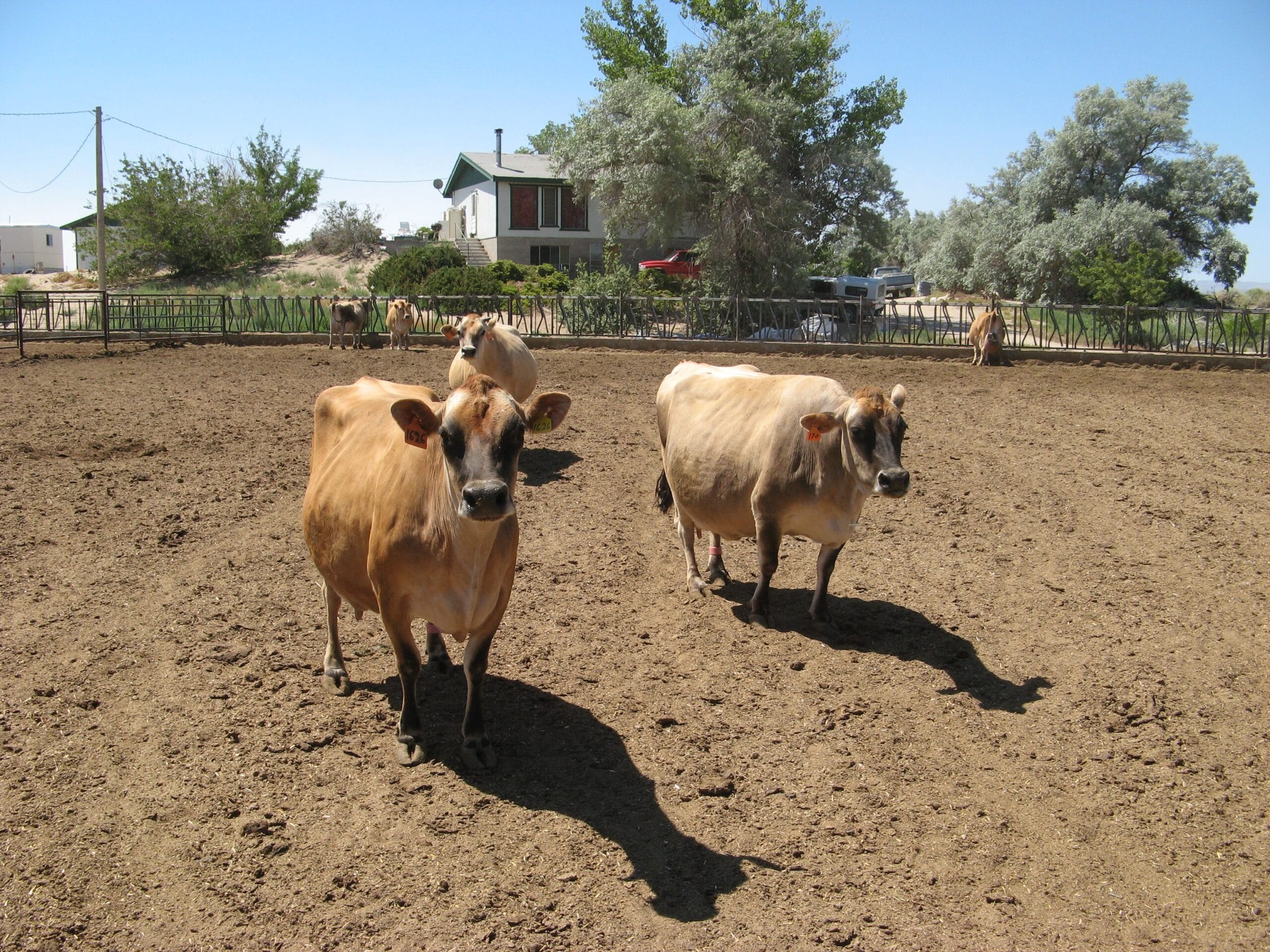
The discovery of a new H5N1 bird flu strain in Nevada dairy cattle has initiated a wave of public health and agricultural anxiety. The variant, identified as D1.1, appears to have jumped from wild avian populations to livestock, marking a concerning development in the virus’s behavior and spread. Officials from the U.S. Department of Agriculture (USDA) confirmed the affected herds, stating that such a spillover represents a rare yet critical event in the transmission chain of bird flu.
The detection was made following a surge in respiratory illnesses and unusual mortality rates among dairy cattle in Nevada. Samples sent to federal laboratories confirmed the presence of the D1.1 genotype, a variant distinct from earlier strains predominantly seen in avian species. This marks the first instance of this particular bird flu variant being recorded in large-scale livestock operations within the United States.
Experts warn that this may signal a significant shift for H5N1 bird flu, which historically has shown limited capacity to infect non-avian species. With the virus now seen in cattle, an expansion of its host range could complicate efforts to control its spread.
The epidemiological investigation points to wild birds as the likely vector for the virus’s entry into the dairy herds. The virus is primarily understood to be transmitted via infected feces, contaminated feed, or direct contact with affected wild birds. Nevada, known for its migratory bird population, serves as an ideal hub for such zoonotic spillovers, particularly during seasons when wild bird activity peaks.
Such cross-species transmission events are of acute concern because they enhance the chances of virus mutations. While H5N1 has shown sporadic human infections, mostly in individuals with close contact with infected poultry, the virus appears to have maintained limited capacity for human-to-human transmission. However, scientists are concerned these animal market expansions might enable eventual genetic reassortment or mutation, possibly leading to more transmissible or virulent forms in humans.
For Nevada dairy farmers and agricultural operators, the implications are immediate and severe. The impacted herds have been placed under strict quarantine to prevent further transmission, and milk production has been halted from these sources. The USDA and state agriculture agencies are intensifying biosecurity measures, placing significant emphasis on limiting wildlife exposure to farm environments. Farms are being advised to rigorously disinfect equipment and minimize interactions between their livestock and wild birds.
Economically, farmers are bracing for losses. Dairy revenues may take a hit as supply from infected herds drops. Additionally, fears about food safety, despite assurances from officials that pasteurized dairy products remain safe for human consumption, could hurt consumer demand. The dairy industry, still grappling with recent supply chain disruptions, now faces added stress from the shadow of a novel virus.
Public health authorities are also on high alert. While there have been no immediate reports of human infections stemming from the Nevada incidents, the Centers for Disease Control and Prevention (CDC) and international health agencies are collaborating to monitor the impact of D1.1. Health officials have recommended that dairy farm workers minimize direct animal contacts, wear protective gear, and report any symptoms of respiratory illness.
The continued, and now multi-species, persistence of H5N1 bird flu raises larger questions about disease management strategies in a warming world. Climate change, as some experts note, is shifting migratory bird patterns, increasing the overlap between wild and domestic animals. These ecological changes could make zoonotic spillovers more common, necessitating urgent incorporations of climate-resistant health measures in agriculture policies.
Globally, H5N1 has already been a major concern, boasting a mortality rate of up to 60% in confirmed human cases worldwide. Although the advent of the D1.1 genotype hasn’t yet caused a global impact as severe, the sense of urgency from health experts underscores the unpredictable nature of viruses in circulation.
As containment efforts ramp up in Nevada, the agricultural community and public health officials alike hope this sentinel event serves as an opportunity to fortify biosecurity frameworks. For now, the focus remains on restoring stability to affected herds and preventing further spread of a virus whose future course remains uncertain.
The incident in Nevada highlights the intricate intersections of animal, human, and environmental health. It serves as a cautionary tale of how global health risks can emerge at local levels, reinforcing the importance of vigilant monitoring, swift containment actions, and seamless coordination among international and domestic agencies.
While the road to mitigating H5N1’s trajectory may be arduous, the efforts underway in Nevada could prove pivotal in shaping the long-term strategies for managing zoonotic threats.