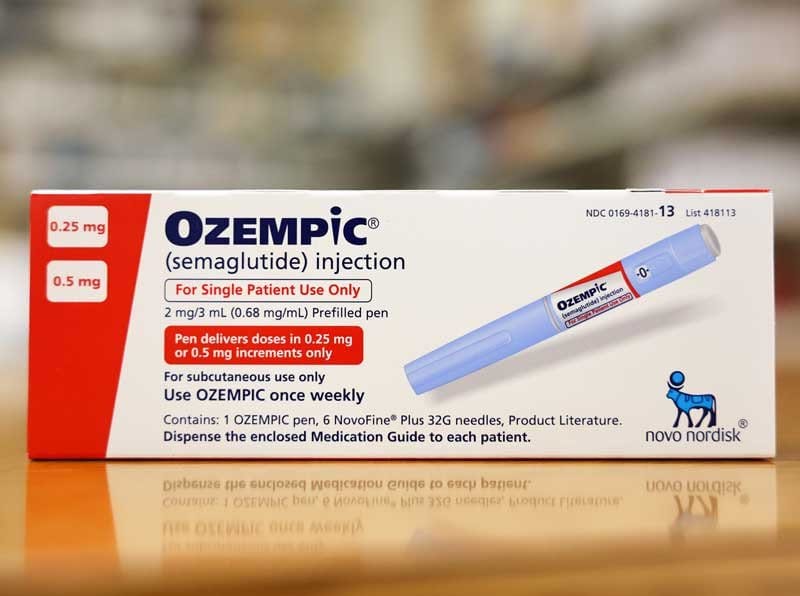
Ozempic, a medication primarily used to treat type 2 diabetes, has been gaining attention in recent years for its potential in treating addiction. The active ingredient in Ozempic, semaglutide, has shown promise in reducing cravings and withdrawal symptoms in individuals struggling with substance use disorders.
Substance use disorders, including opioid use disorder, affect millions of people worldwide. Traditional treatments for addiction often involve a combination of behavioral therapies and medications, such as methadone and buprenorphine. However, these treatments can have limitations, and researchers are continually seeking new and more effective options.
Semaglutide, a glucagon-like peptide-1 (GLP-1) receptor agonist, has been shown to have a number of effects on the brain and body that may make it useful in treating addiction. GLP-1 receptors are found in areas of the brain involved in reward, motivation, and stress response, and activating these receptors has been shown to reduce cravings and improve mood.
One of the key ways that semaglutide may help treat addiction is by reducing withdrawal symptoms. Withdrawal occurs when an individual stops using a substance after a period of heavy use, and it can be a major barrier to recovery. Semaglutide has been shown to reduce the severity of withdrawal symptoms in individuals with opioid use disorder, making it easier for them to stay in treatment and achieve long-term recovery.
In addition to reducing withdrawal symptoms, semaglutide may also help reduce cravings for substances. Cravings are a major trigger for relapse, and reducing them can be a key component of successful treatment. Studies have shown that semaglutide can reduce cravings for opioids and other substances, and it may do so by reducing the release of dopamine in the brain. Dopamine is a neurotransmitter involved in reward and pleasure, and it plays a key role in the development and maintenance of addiction.
While the potential of semaglutide in treating addiction is promising, more research is needed to fully understand its effects. Several studies are currently underway to investigate the use of semaglutide in treating addiction, including a large-scale clinical trial sponsored by the National Institutes of Health.
The use of semaglutide in treating addiction is not without its challenges, however. One of the main concerns is the potential for increased risk of pancreatitis, a condition in which the pancreas becomes inflamed. Semaglutide has been shown to increase the risk of pancreatitis in some individuals, and this risk may be higher in those with a history of pancreatitis or other pancreatic disorders.
Despite these challenges, the potential of semaglutide in treating addiction is significant. If further research confirms its effectiveness, semaglutide could become a valuable addition to the treatment options available for individuals struggling with substance use disorders.
In addition to its potential in treating addiction, semaglutide is also being investigated as a treatment for a number of other conditions, including obesity and non-alcoholic steatohepatitis (NASH). These conditions are all related to metabolic disorders, and semaglutide’s effects on glucose and lipid metabolism may make it a useful treatment option.
In conclusion, the use of semaglutide in treating addiction is a promising area of research. While more studies are needed to fully understand its effects, the available evidence suggests that semaglutide may be a valuable addition to the treatment options available for individuals struggling with substance use disorders.


