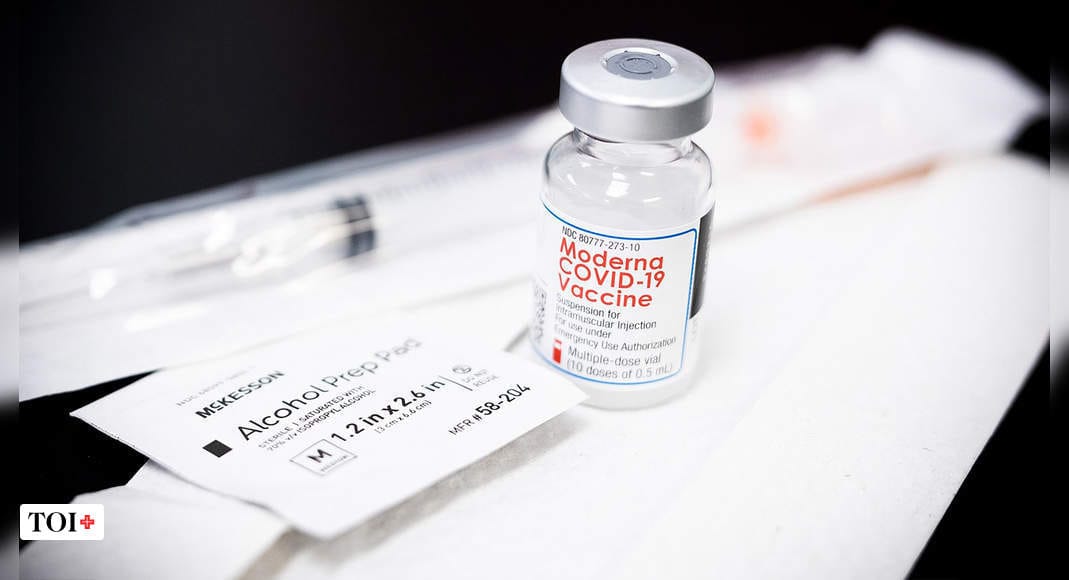
The U.S. Department of Health and Human Services (HHS) has made a substantial commitment to public health by allocating $590 million to Moderna, Inc. This funding is intended to accelerate the development and clinical trials of a vaccine specifically designed to combat the avian influenza virus, commonly known as bird flu. The decision to invest in this vaccine development comes in light of the increasing concerns regarding the potential for avian influenza to pose a significant threat to both animal and human health.
Avian influenza is a viral infection that primarily affects birds, but certain strains have been known to infect humans and other animals. The H5N1 strain, for instance, has been associated with severe respiratory illness in humans and has a high mortality rate. The potential for avian influenza to mutate and become more transmissible among humans raises alarms among public health officials, making the development of an effective vaccine a priority.
The funding from HHS will support Moderna’s ongoing research and development efforts, allowing the company to expedite the necessary clinical trials to evaluate the safety and efficacy of the vaccine. Moderna, known for its innovative mRNA technology, has already demonstrated its capabilities in rapidly developing vaccines during the COVID-19 pandemic. This experience positions the company well to tackle the challenges associated with bird flu vaccine development.
The investment is part of a broader strategy by the U.S. government to enhance pandemic preparedness and response capabilities. The COVID-19 pandemic highlighted the importance of having robust vaccine development processes in place to respond swiftly to emerging infectious diseases. By investing in the development of a bird flu vaccine, HHS aims to ensure that the nation is better prepared for potential outbreaks in the future.
In addition to the immediate goal of developing a bird flu vaccine, this funding also reflects a commitment to advancing scientific research and innovation in the field of infectious diseases. The collaboration between HHS and Moderna underscores the importance of public-private partnerships in addressing public health challenges. By leveraging the expertise and resources of private companies, the government can accelerate the development of critical medical countermeasures.
The funding will be utilized for various stages of vaccine development, including preclinical studies, clinical trials, and regulatory submissions. Moderna will work closely with HHS and other federal agencies to ensure that the vaccine meets the necessary safety and efficacy standards. The timeline for the development and availability of the vaccine will depend on the outcomes of the clinical trials, but the goal is to expedite the process as much as possible.
As part of the funding agreement, Moderna is expected to provide regular updates on the progress of the vaccine development. This transparency will be crucial for public health officials and the general public to stay informed about the status of the vaccine and its potential availability. The collaboration aims to foster trust and confidence in the vaccine development process, which is essential for public acceptance and uptake once the vaccine is ready for distribution.
The investment in a bird flu vaccine is not only a proactive measure but also a necessary step in safeguarding public health. The potential for avian influenza to cause widespread illness and disruption underscores the need for ongoing vigilance and preparedness. By investing in vaccine development now, the U.S. government is taking a forward-looking approach to public health, aiming to mitigate the impact of future outbreaks.
In conclusion, the HHS’s allocation of $590 million to Moderna for the development of a bird flu vaccine represents a significant investment in public health preparedness. This funding will enable the acceleration of clinical trials and research efforts, ultimately contributing to the nation’s ability to respond effectively to potential avian influenza outbreaks. As the world continues to grapple with the challenges posed by infectious diseases, initiatives like this highlight the importance of collaboration between government and private entities in safeguarding public health.