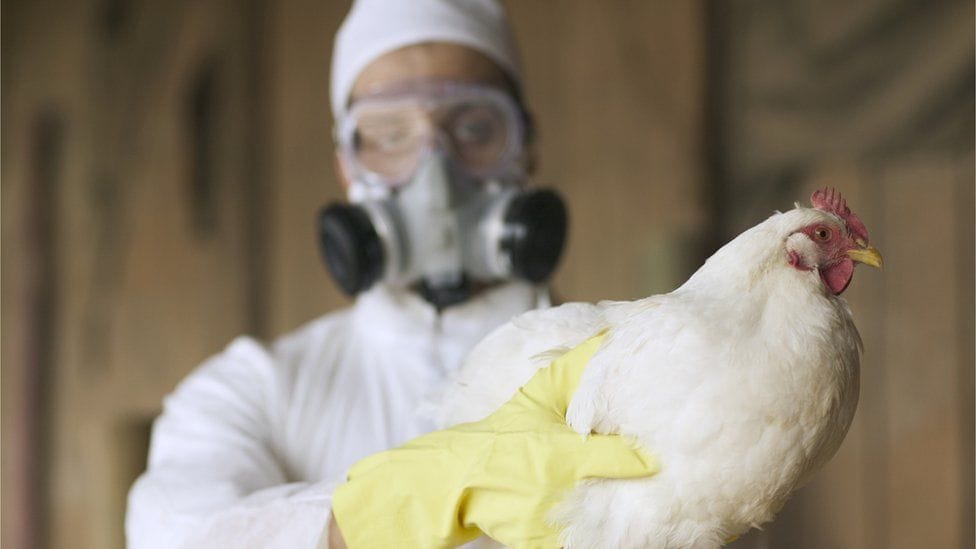
The recent surge of bird flu cases in various parts of the world has health experts worldwide on high alert, especially those in the United States. The H5N1 virus, a highly pathogenic form of bird flu, has caused significant losses in animal populations, and concerns are growing over its potential threat to human health.
Many scientists believe that the current strain of the H5N1 virus could be more easily transmitted between humans if it mutates further. This would represent a dramatic shift from previous forms of the virus, which primarily affected birds and not humans. However, it is difficult to predict the precise changes that the virus may undergo and what kind of impact these changes might have on human health.
In order to address these concerns, health organizations worldwide must act quickly to prevent the further spread of the disease. The United States, in particular, has been urged to take steps to control the outbreak of bird flu within its borders. This includes monitoring areas where large scale bird mortality has been observed, as well as enforcing stricter biosecurity measures on farms and other areas where poultry and wild birds interact.
Despite a lack of clear evidence that bird flu poses an immediate threat to human populations, health experts emphasize the importance of vigilance. In an effort to stay informed, the rapidly evolving nature of the virus is continuously at the forefront of the discussion. Predicting the outcome of the virus’s potential mutations is a colossal challenge. Furthermore, public health agencies are preparing guidelines for a possible human pandemic strain while tracking the spread of the virus among birds.