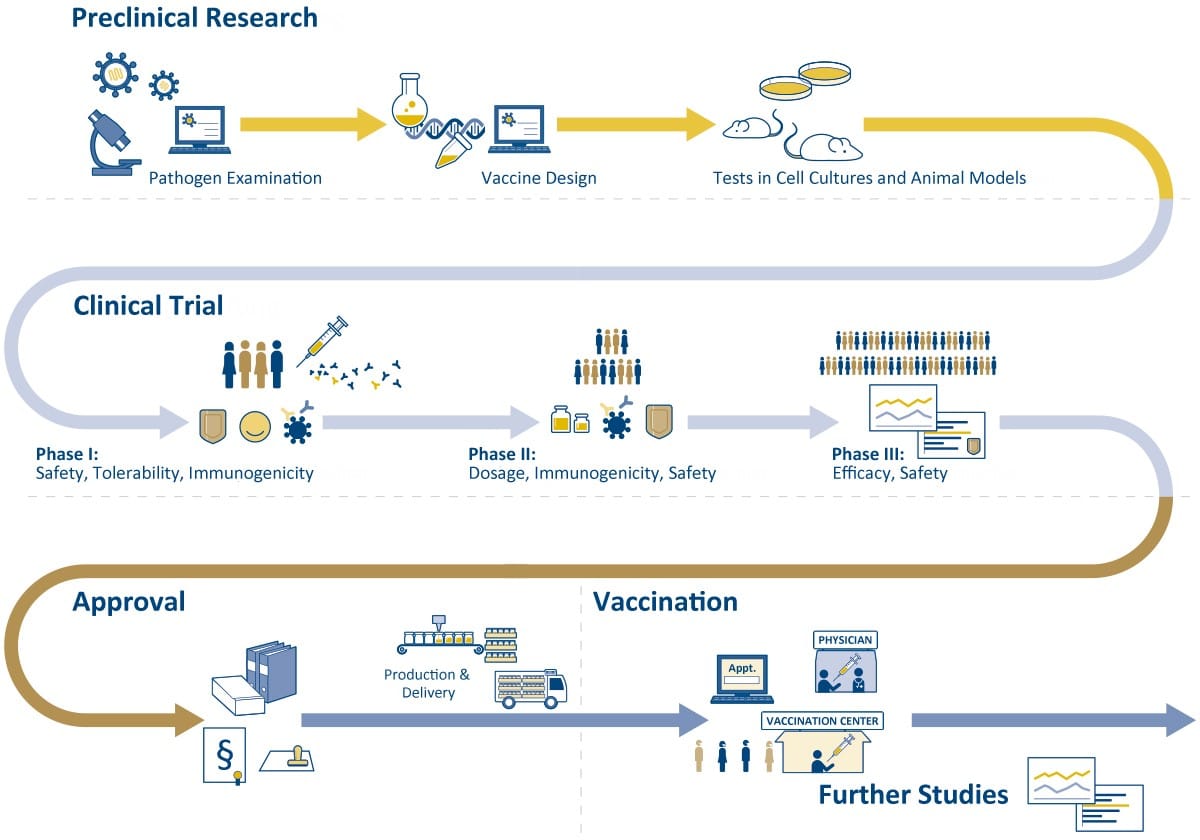
The Department of Health and Human Services has committed $590 million to Moderna to accelerate the development and production of a vaccine targeting avian influenza. This significant investment underscores the ongoing efforts to mitigate the risk of a potential pandemic originating from the H5N1 strain of the virus and other related variants. The funding will support various stages of the vaccine development process, from clinical trials to enhancing the manufacturing infrastructure necessary to ensure sufficient vaccine supplies are available, should they be needed.
The H5N1 strain, which has caused concern due to its high mortality rate in birds and its sporadic transmission to humans, has prompted global health organizations to emphasize the importance of proactive measures. The Centers for Disease Control and Prevention (CDC) and the World Health Organization (WHO) have been closely monitoring the situation and providing guidance for preparedness. This collaboration between government agencies and pharmaceutical companies like Moderna is intended to strengthen the existing public health infrastructure and facilitate a rapid response in case of an outbreak.
Clinical trials will be a critical component of this endeavor. The trials will evaluate the vaccine’s safety and efficacy in human populations, providing crucial data for regulatory approvals. The funding will enable Moderna to scale up trial participation, expedite data analysis, and ultimately determine the effectiveness of their vaccine candidate. The results from these trials will directly influence public health recommendations and decisions regarding vaccine deployment should human-to-human transmission of the virus become a concern.
In parallel with clinical trials, the financial support will enable Moderna to build out its manufacturing capacity. An efficient and scalable manufacturing process is essential for a timely response to a potential outbreak. The funding will be directed toward establishing the necessary infrastructure to mass produce doses and ensure the vaccine’s availability in large quantities when it is needed. This step will be crucial to ensure the vaccine can be deployed equitably and rapidly across the population. The development of novel vaccine technologies and manufacturing platforms is an area of continued focus in efforts to make vaccine development quicker and more responsive.
The urgency of this initiative is driven by the ongoing spread of avian influenza among wild birds and domestic poultry. The virus’s ability to evolve and adapt poses a constant threat, and the emergence of new variants that could have increased transmissibility among humans is a possibility. Consequently, a robust preparedness strategy is considered essential by many public health experts to prevent a global health crisis.
The funding is also intended to foster the development of innovative vaccine technologies that could improve the speed and efficiency of vaccine development and deployment in the future. Scientists are investigating novel approaches to vaccine design, such as mRNA technology, which has been demonstrated to be highly versatile and adaptable to new threats. These advanced technologies hold the potential to dramatically reduce the timeline from discovery to availability. Furthermore, the development of adaptable vaccine manufacturing platforms, able to be quickly reconfigured to respond to new variants, is of the utmost importance.
The partnership between HHS and Moderna will encompass data sharing and collaboration. The data generated from the clinical trials will be available to public health researchers, promoting transparency and scientific advancement. The data collected will contribute to a broader understanding of influenza viruses, their evolution and their dynamics. These will further inform the direction of future research and prevention efforts. The importance of this collaboration extends to ensuring that the scientific advancements made during this endeavor benefit the entire international community.
The announcement of this funding commitment aligns with a broad range of activities on the part of the international community. These global efforts are aimed at monitoring and containing avian influenza. The sharing of surveillance data, biological samples and research findings is critical to understand the virus. This data allows for the development and deployment of effective preventative and therapeutic strategies. Through global collaboration, health agencies and research institutions can anticipate future outbreaks and coordinate response strategies.
The investment into avian influenza research underscores the necessity for ongoing vigilance and collaborative efforts among governmental agencies, the private sector and global health organizations. Such proactive measures aim to protect populations and mitigate the economic and societal effects of a possible pandemic. The current initiative may demonstrate a path forward to develop vaccines against rapidly evolving viruses and strengthen overall preparedness for future health threats.