In recent weeks, the Democratic Republic of the Congo (DRC) faced a public health scare as health authorities detected a surge in cases characterized by fever, fatigue, and other flu-like symptoms. Initially, these symptoms were associated with a mysterious illness, which prompted fears of a new, unidentified infectious disease. However, after rigorous testing and investigation, officials confirmed that the outbreak is predominantly malaria, a longstanding endemic condition in the region.
Malaria is caused by parasites transmitted through the bites of infected female Anopheles mosquitoes and is a significant health threat particularly in tropical regions like the DRC. The symptoms typically manifest as fever, chills, and flu-like illness, and can lead to hospitalization and higher mortality rates if left untreated. Given this backdrop and the DRC’s ongoing battle with malaria, the identification of the outbreak as primarily malaria was expected but still critical for local health response teams.
In addition to malaria, health officials have indicated a potential secondary diagnosis involving another infectious agent, which is currently being investigated. This dual possibility has raised concerns among health experts about the implications of co-infections, especially in impoverished regions where healthcare resources are stretched thin. The DRC’s health system, while improving, continues to face challenges related to funding, infrastructure, and human resources, which can complicate responses to public health emergencies.
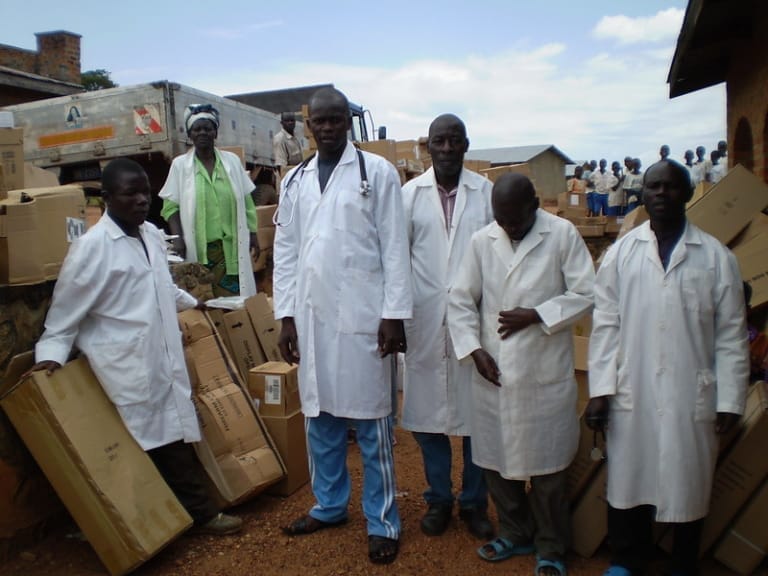
The Ministry of Health has launched a comprehensive campaign to enhance prevention and treatment strategies in response to this outbreak. Authorities are deploying additional medical staff to areas hardest hit, increasing the availability of rapid diagnostic testing for malaria, and distributing antimalarial medications to affected communities. Alongside these measures, educational outreach is being emphasized to inform the population about the importance of mosquito control and early treatment seeking behavior.
Moreover, surveillance systems are being strengthened to monitor mosquito populations and potentially other disease vectors more effectively. These initiatives are aimed at reducing both the incidence of malaria and the risk of co-infection with other pathogens, which can complicate treatment and worsen health outcomes.
The World Health Organization (WHO) has been engaged to provide technical assistance to the DRC in managing this outbreak. Their involvement is critical, as they offer expertise in infection control measures and the implementation of effective surveillance programs. Collaborations with international health bodies are essential to improving the country’s resilience against infectious diseases.
The health scare also highlights the importance of addressing the broader socio-economic factors that contribute to the burden of malaria in the DRC. Issues such as poverty, lack of access to clean water, and inadequate healthcare facilities hinder effective dengue fever prevention and malaria control efforts. It is crucial for both local and international stakeholders to advocate for policies that aim to tackle these root causes to prevent future outbreaks.
As the situation evolves, the public remains advised to remain vigilant about health practices. The use of insecticide-treated bed nets, indoor spraying with insecticides, and prompt medical treatment for fever are vital components of the ongoing battle against malaria. Communities are encouraged to engage in mosquito breeding site reduction efforts, which can play a significant role in controlling malaria transmission.
In conclusion, while the identification of malaria as the primary contributor to the recent health concerns in the DRC is a relief, the potential for additional co-infections persists as a significant concern. Continued vigilance and coordinated public health interventions will be crucial in managing this situation and preventing further outbreaks in the future. It remains essential for all stakeholders to collaborate effectively, combining resources and knowledge for a comprehensive approach to health in the region.