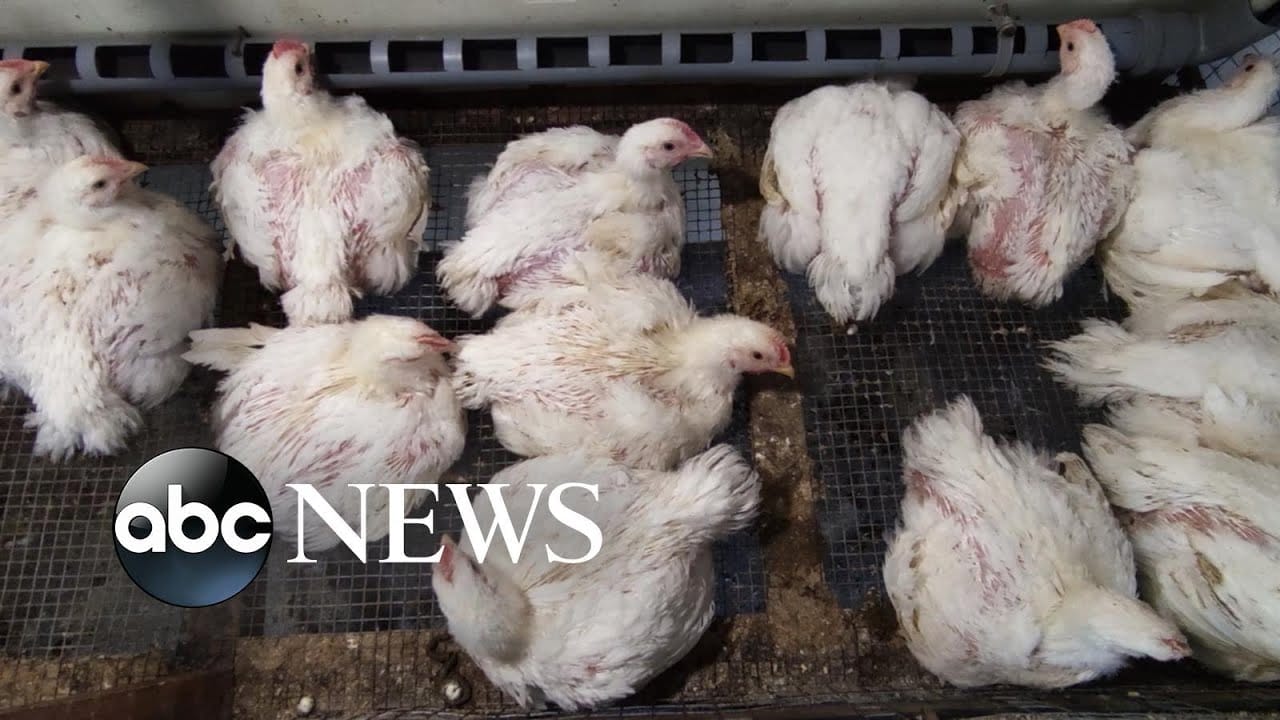
The recent discovery of an uncommon avian influenza strain in California has initiated a focused response from state and federal agencies, as they seek to understand the virus’s origins and potential impact. This particular strain, which is not typically seen in the region, has triggered a series of investigations that aim to map its spread and assess its threat to both domestic and wild bird populations. The detection underscores the ongoing challenges associated with monitoring and controlling infectious diseases that can rapidly shift and adapt. Initial findings suggest the virus has been found in a small number of birds, but the exact source of the infection is still under review. Epidemiologists are currently working to determine whether this is an isolated incident or the start of a broader outbreak. Understanding the transmission routes is a critical step in developing strategies for containment. This involves detailed analysis of samples from both infected and non-infected birds, as well as investigating potential environmental factors that may be contributing to the spread. The primary concern at this time is the potential for this strain to propagate beyond the initial affected area. This could lead to significant disruptions within the poultry industry, as well as having potential consequences for biodiversity. The poultry sector is particularly vulnerable to avian influenza, which can result in high mortality rates and economic losses if not quickly contained. The California Department of Food and Agriculture is collaborating with other state and federal agencies, along with industry stakeholders, to implement rigorous biosecurity protocols. These protocols include increased surveillance and enhanced cleaning and disinfection measures in poultry facilities. The cooperation with the poultry industry is vital for an effective response. It helps in rapidly identifying new cases and preventing further spread of the virus. In addition to the poultry industry, wildlife health experts are also closely monitoring the situation to evaluate the potential implications for wild bird populations. Wild birds can be carriers of avian influenza, and understanding how the virus is circulating in these populations is key to mitigating its overall impact. This monitoring includes both active surveillance, where scientists test wild birds directly, and passive surveillance, where they track reports of unusual bird deaths. The data collected from these surveillance programs will inform the development of comprehensive management strategies aimed at minimizing risks. The situation is not only limited to California. International cooperation will likely play an essential role in preventing the virus from spreading more widely. This would include sharing information about surveillance methods and response actions across different countries. The information will be critical for implementing appropriate measures to safeguard animal and public health worldwide. Researchers are working to better understand the genetic makeup of this specific strain, which is an essential part of the overall process to track how the virus is evolving and adapting to different environments and hosts. This information can be used to make better predictions about potential transmission and severity. The data will help tailor control efforts to specific viral characteristics. It will provide valuable insights that can be used to develop vaccines or antiviral treatments to fight the virus. This will help improve the global preparedness for outbreaks of avian influenza. Public health authorities are also evaluating potential impacts on human populations. While avian influenza viruses do not usually infect people, it is important to monitor closely if any human cases arise. The public is urged to avoid contact with sick or dead birds and report any sightings of unusual bird deaths. Increased vigilance will be key in preventing possible spread of the disease to humans. The collaborative effort among agencies will be essential in controlling the current outbreak. Rapid response measures and enhanced communication with all stakeholders are critical to contain the situation and prevent widespread repercussions. Public awareness and education initiatives are needed to inform the public about the risks involved and actions to take. Experts are also using this incident to review existing response protocols and improve future management of avian influenza outbreaks. The experience will provide useful information and improve strategies to prevent future outbreaks. The ongoing research is critical to understand the evolving dynamics of avian influenza and to ensure that society is prepared to address future threats from infectious diseases. The current situation emphasizes the importance of vigilance and international collaboration.
Avian Influenza Variant Detected in California, Monitoring Underway