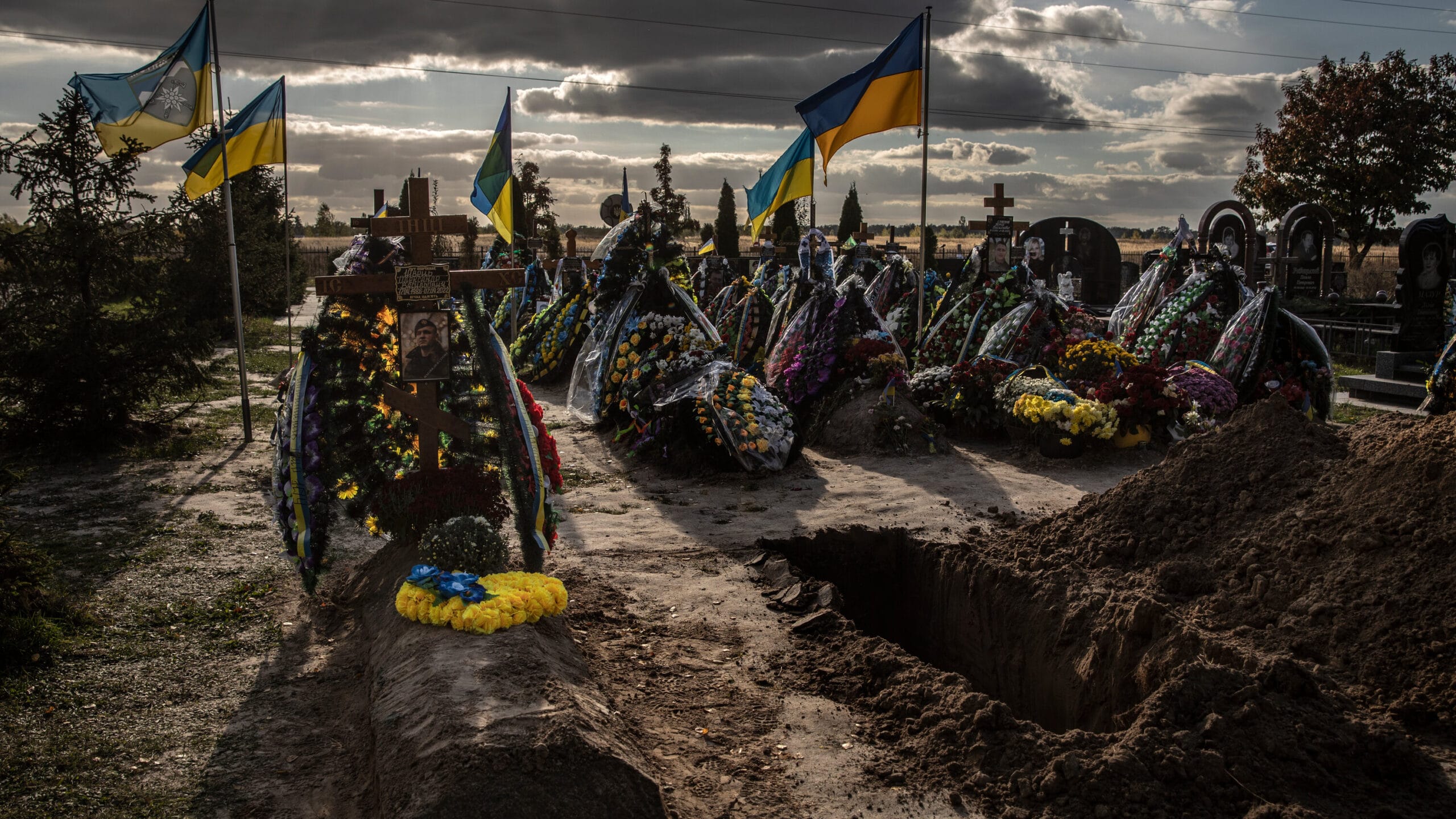
As winter approaches, the ongoing conflict between Russia and Ukraine shows no signs of abating, with escalating military operations and dire humanitarian consequences. Recent reports indicate that both sides are preparing for an intensified phase of the war, with Russia increasing its troop presence along the front lines and Ukraine bolstering its defenses in anticipation of a potentially harsh winter campaign.
The Ukrainian military has reported a surge in Russian artillery strikes, particularly in the eastern regions of Donetsk and Luhansk, where fighting has been fierce. According to the General Staff of the Armed Forces of Ukraine, Russian forces have been attempting to capture key towns and villages, aiming to gain strategic advantages before winter sets in. The Ukrainian government has urged its allies for more advanced weaponry to counter these offensives, emphasizing the need for air defense systems and heavy artillery to protect its positions.
In response, NATO countries have increased their military aid to Ukraine. Recent announcements include the delivery of additional air defense systems, armored vehicles, and ammunition. NATO Secretary-General Jens Stoltenberg stated, “We must ensure that Ukraine has the necessary support to defend itself and reclaim its territory.” The alliance has reiterated its commitment to Ukraine, with member states pledging to continue military assistance through the winter months.
On the humanitarian front, the approaching winter poses a significant risk to civilians caught in the conflict. Many areas in Ukraine are already experiencing power outages and disruptions in essential services due to ongoing hostilities. The United Nations has warned that millions of people face severe hardships as temperatures drop, with inadequate heating, food shortages, and limited access to medical care becoming critical issues. Humanitarian organizations are ramping up efforts to deliver aid, but the worsening security situation complicates logistics and access to affected areas.
In Russia, the government is also bracing for the winter months, with reports indicating that the Kremlin is preparing its population for prolonged military engagement. State media has been promoting narratives of resilience and patriotism, emphasizing the need for national unity in the face of external threats. However, there are growing concerns about the economic impact of the war and the potential for domestic unrest as sanctions continue to bite and the costs of military operations escalate.
As the conflict enters this critical phase, the international community watches closely, with calls for renewed diplomatic efforts to reach a ceasefire. However, with both sides entrenched in their positions and the stakes higher than ever, the prospect of a peaceful resolution remains uncertain. The coming months will be pivotal in determining the future of Ukraine, Russia, and the broader geopolitical landscape in Eastern Europe.

