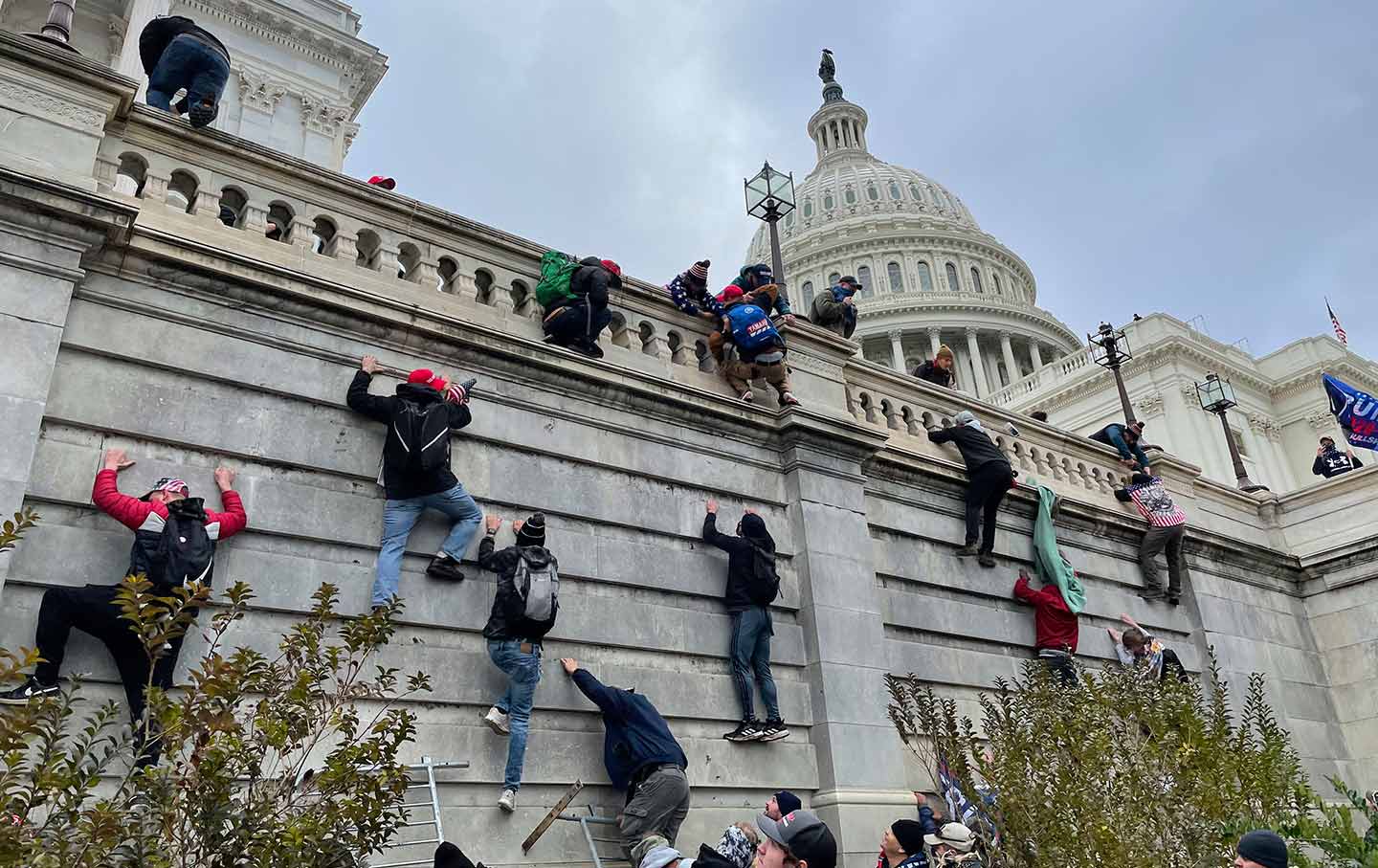
The events of January 6, 2021, marked a significant moment in American history, as a mob of supporters of then-President Donald Trump stormed the U.S. Capitol in an attempt to overturn the results of the 2020 presidential election. In the aftermath, more than 1,000 individuals were arrested and charged with various offenses related to the riot. As the legal proceedings unfolded, Trump hinted at the possibility of pardoning those involved, a promise that has sparked considerable debate and speculation. This article seeks to address six burning questions regarding Trump’s potential pardons for the January 6 rioters.
The first question revolves around the legal implications of such pardons. The U.S. Constitution grants the president the power to pardon individuals for federal offenses, but this power does not extend to state charges. Many of the rioters face state-level charges, which means that even if Trump were to issue a federal pardon, it would not absolve them of state-level consequences. This raises the question of whether a mass pardon would effectively shield the rioters from all legal repercussions or merely provide a reprieve from federal charges.
Next, one must consider the political ramifications of a potential pardon. Trump’s base remains largely supportive of him, and a pardon could solidify his standing among these voters. However, it could also alienate moderate Republicans and independents who view the January 6 events as a serious threat to democracy. The decision to pardon could thus be seen as a double-edged sword, potentially energizing his core supporters while risking broader political fallout.
Another critical inquiry pertains to the motivations behind Trump’s promise. Some analysts suggest that the promise of pardons is a strategic move to maintain loyalty among his supporters, particularly as he contemplates a potential run for the presidency in 2024. By positioning himself as a defender of those who participated in the riot, Trump may be attempting to galvanize his base and ensure their continued support. This raises questions about the ethical implications of using pardons as a political tool.
The fourth question focuses on the public perception of a potential pardon. Many Americans view the January 6 riots as an attack on the democratic process, and pardoning those involved could be interpreted as condoning their actions. This could lead to significant backlash from the public, particularly from those who believe in accountability for the events that transpired. The potential for public outcry may influence Trump’s decision-making process as he weighs the benefits of a pardon against the possible negative consequences.
Additionally, the question of timing is crucial. If Trump were to announce pardons, it would likely come at a strategic moment, possibly during a campaign rally or a significant political event. The timing of such an announcement could amplify its impact, either rallying his supporters or provoking further dissent among critics. Understanding the timing and context of any potential pardons is essential for grasping their significance in the broader political landscape.
Finally, one must consider the long-term implications of pardoning the January 6 rioters. A mass pardon could set a precedent for future political leaders, potentially emboldening individuals to engage in similar actions, believing they may be shielded from consequences. This raises concerns about the rule of law and the message it sends regarding accountability for political violence. The long-term effects of such a decision could reverberate through American politics for years to come.
In conclusion, the prospect of Donald Trump pardoning the January 6 rioters raises numerous questions that touch on legal, political, and ethical dimensions. As discussions continue, it remains to be seen how this promise will unfold and what implications it may have for the individuals involved, the political landscape, and the broader American society. The answers to these questions will likely shape the narrative surrounding the January 6 events and their aftermath for the foreseeable future.