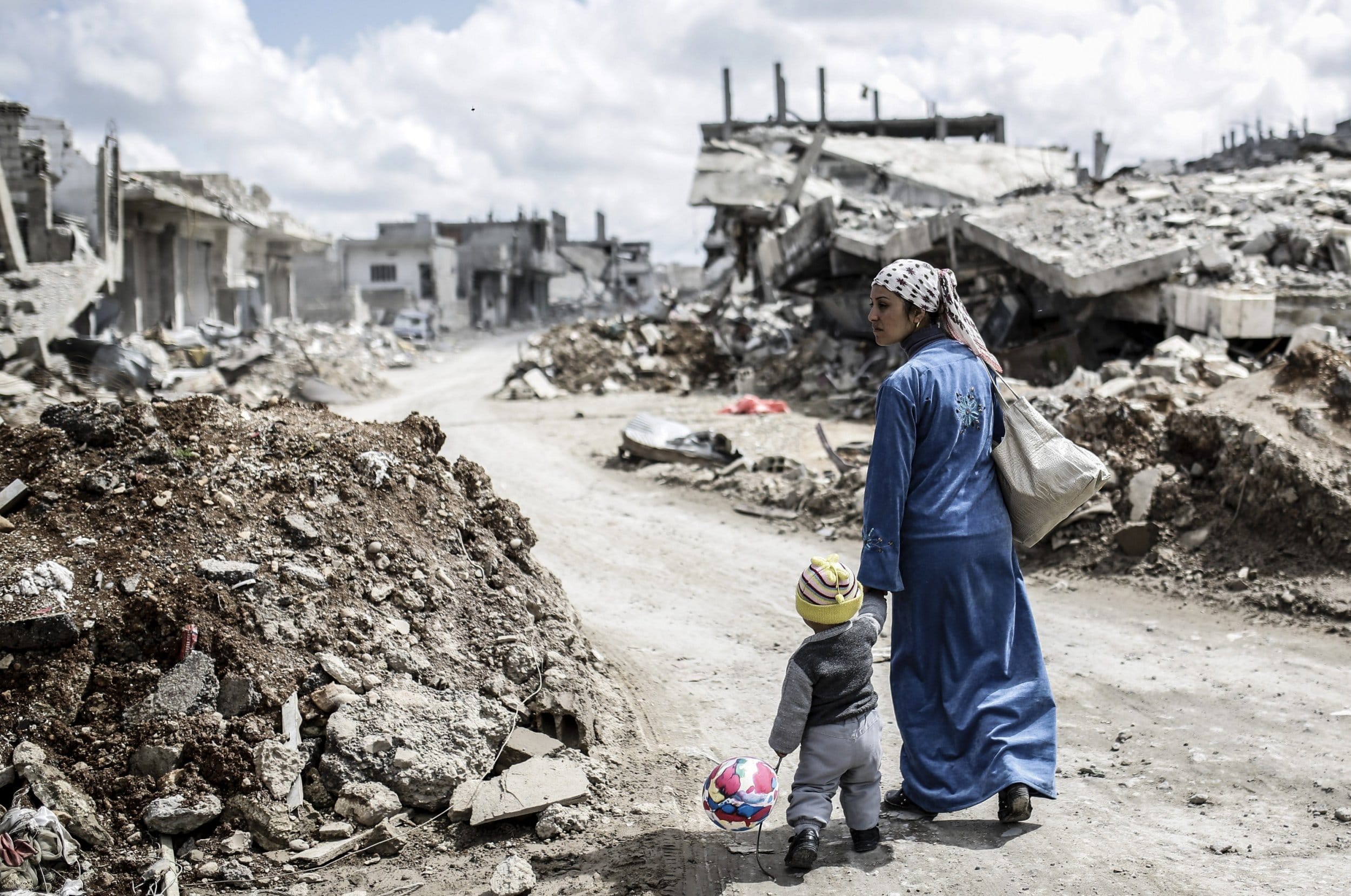
As the conflict in Syria continues to evolve, the strategic priorities of the U.S.’s military allies in the region are shifting. The Syrian Democratic Forces (SDF), a key component of the U.S. efforts to combat the remnants of the Islamic State (IS) in Syria, have announced a temporary halt in their military operations against IS in response to increasing hostilities with another rebel faction. This development is significant not only because it marks a setback in the fight against IS but also highlights the intricate and often volatile nature of the alliances and conflicts that define the Syrian landscape.
The decision by the SDF to suspend its offensive is rooted in a recent escalation of skirmishes with the Turkish-backed Syrian National Army (SNA), a coalition of various rebel groups that oppose both the SDF and the Syrian government. Clashes between the SDF and SNA have disrupted a fragile balance of power in northern Syria, leading to rising tensions that threaten any coordinated efforts against IS.
For the last few years, the SDF has been heavily involved in combating IS, particularly in areas that were previously under the terrorist group’s control, such as Raqqa and Deir ez-Zor. With support from U.S. forces, the SDF succeeded in liberating significant territories from IS. However, the persistence of IS as a latent threat has never fully diminished, prompting ongoing operations aimed at dismantling the remnants of its operational capabilities.
The violent confrontations with the SNA have forced the SDF to reassess its military priorities. An immediate focus on domestic security is necessary to stabilize the regions conflicting within the SDF-controlled territories and to protect its civilians from increased violence, which could lead to a humanitarian crisis. In this context, the paused operations against IS raise concerns among international observers who fear a resurgence of the extremist group.
The implications of this shift go beyond immediate tactical concerns. The U.S. has relied on the SDF as a primary ground partner in its anti-IS campaign. However, the geopolitical dynamics in northern Syria are frequently shifting, influenced by the interests of Turkey, the Syrian government, and various ethnic groups within the region. Turkey perceives the SDF as an extension of the Kurdistan Workers’ Party (PKK), which it designates as a terrorist organization, and has repeatedly threatened to intervene militarily against SDF positions. This has compounded the difficulties faced by U.S. forces operating in the region, as they must navigate these complex and often conflicting relationships.
The situation is further complicated by the actions of the Syrian government and its allies, including Russia, which continue to exert influence in the region. As the SDF recalibrates its strategic objectives in response to the threats posed by the SNA, the potential for coordination between U.S. and SDF forces decreases, creating a vacuum that may be exploited by IS.
International experts are closely monitoring the developments in Syria as they signify broader trends in Middle Eastern geopolitics. The halt in SDF operations against IS may invite the group to regroup and reestablish its foothold in areas it once controlled. The lack of active operations against IS also raises questions regarding the sustainability of U.S. military presence in the region and its future strategy against global terrorism.
As the U.S. weighs its options, broader humanitarian concerns emerge. The confrontation between rebel factions could displace additional civilians, exacerbating an already dire situation in Syria, which has been marked by years of violence, displacement, and humanitarian crises. The population living in SDF-controlled territories faces significant uncertainty as food security, health services, and basic infrastructure remain vulnerable under the threat of renewed violence.
Moreover, the shifting dynamics affect not just the military landscape but also the diplomatic efforts to find a sustainable resolution to the Syrian conflict. International actors involved in Syria, including the U.S., Turkey, Russia, and various humanitarian organizations, are grappling with the challenges of supporting peace while confronting the reality of ongoing warfare and shifting allegiances.
Negotiations for an overarching peace settlement in Syria have stalled, and the recent conflict has made it increasingly difficult to forge a consensus among the diverse groups involved. The challenging position the SDF now finds itself in, competing on two fronts—against an emboldened IS and rival rebel factions—may compel the U.S. and its allies to reconsider their long-term involvement in Syria.
Conclusion
The current state of affairs in Syria represents a complex intersection of military, political, and humanitarian issues. As the SDF pauses its operations against IS to confront rival factions, the status of ongoing U.S. military efforts in the region appears increasingly precarious. The intricate web of alliances, regional ambitions, and the ever-present threat of IS underscore the challenges that continue to define the Syrian conflict. Observers and policymakers worldwide will be keeping a close eye on developments as the situation evolves, seeking to navigate the complexities of an enduring crisis in the hope of achieving a lasting peace amidst ongoing turmoil.