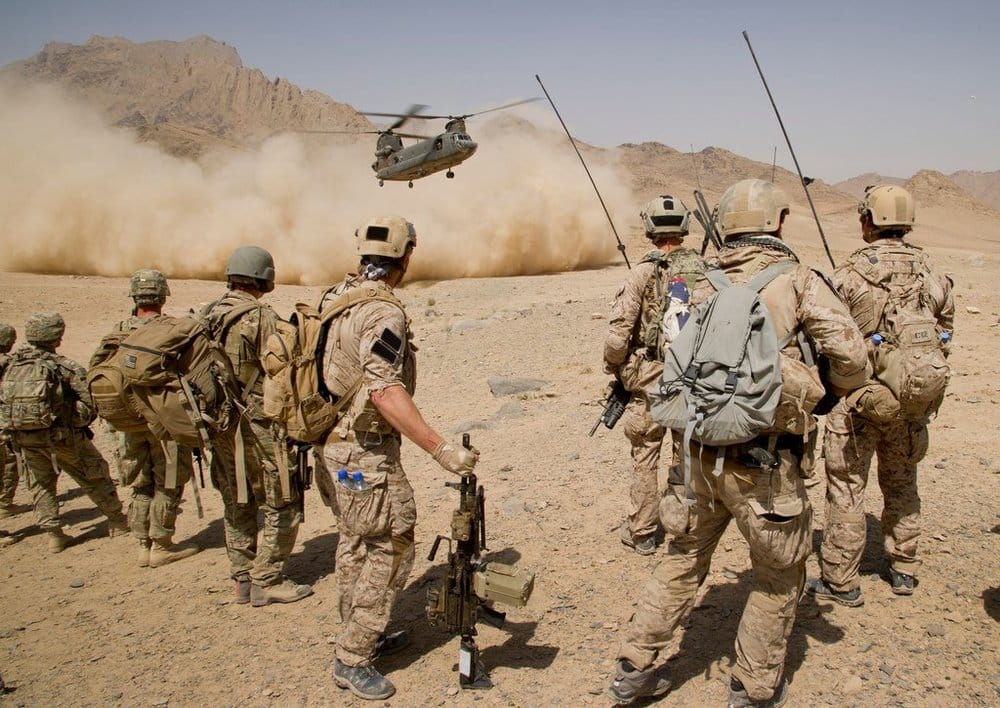
The United States has recently amplified its military operations against the Houthi movement in Yemen, a development that underscores the complexities of the ongoing geopolitical landscape in the Middle East. This escalation in military engagement comes at a time when tensions are flaring with Israel, raising concerns about the potential for broader conflict in the region. The Biden administration’s decision to increase strikes against the Houthis is part of a multifaceted approach to address both immediate threats and long-standing issues related to regional stability.
The Houthis, an armed group backed by Iran, have been engaged in a protracted conflict in Yemen since 2014, when they seized control of the capital, Sanaa. This conflict has resulted in a humanitarian crisis, with millions of Yemenis facing food insecurity and limited access to essential services. The Houthis have also launched attacks on Saudi Arabia, targeting oil facilities and other critical infrastructure, which has drawn international condemnation and concern for the safety of regional allies.
In recent weeks, the situation has become increasingly precarious as the Biden administration has sought to bolster its military presence in the region. The U.S. military has conducted a series of strikes against Houthi targets, aimed at degrading their capabilities and deterring further aggression. These operations are not only a response to Houthi attacks but also a strategic move to counter Iranian influence in the region, which has been a focal point of U.S. foreign policy in recent years.
The backdrop of these military actions is the rising tensions between Israel and various regional actors, including Iran and its proxies. The conflict between Israel and Palestinian groups has seen a resurgence, leading to fears that the violence could spill over into other areas of the Middle East. The U.S. has reiterated its commitment to Israel’s security, which has implications for its military strategy in the region, including its approach to the Houthis in Yemen.
The increased military engagement against the Houthis is also reflective of the U.S. administration’s broader strategy to ensure the security of critical maritime routes in the Red Sea. These waterways are vital for international trade and energy supplies, and any disruption caused by Houthi attacks could have far-reaching economic consequences. The U.S. has expressed its determination to maintain freedom of navigation in these waters, which has prompted a more robust military response to Houthi provocations.
In addition to military strikes, the U.S. has been working closely with regional allies to enhance their defensive capabilities. This includes providing intelligence, logistical support, and advanced weaponry to countries like Saudi Arabia, which has been at the forefront of the conflict against the Houthis. The U.S. aims to strengthen the defensive posture of its partners in the region to better withstand threats posed by Iranian-backed groups.
As the situation unfolds, the humanitarian crisis in Yemen remains a pressing concern. The U.S. has expressed its commitment to addressing the humanitarian needs of the Yemeni people, advocating for a political solution to the conflict that would provide relief to millions affected by years of war. However, the complexities of the regional dynamics, particularly the influence of Iran and the ongoing conflict with Israel, complicate efforts to achieve a lasting peace in Yemen.
The escalation of U.S. military operations against the Houthis is a significant development that highlights the interconnected nature of conflicts in the Middle East. As tensions rise, the potential for miscalculation and unintended consequences increases, raising questions about the long-term implications of U.S. actions in the region. The Biden administration faces the challenge of balancing its military objectives with the need for a diplomatic resolution to the ongoing crises, particularly in Yemen.
In conclusion, the recent amplification of U.S. strikes on the Houthis is a reflection of the broader geopolitical landscape in the Middle East, marked by rising tensions and complex interdependencies. The U.S. aims to counter threats to regional stability while addressing the humanitarian crisis in Yemen. As the situation continues to evolve, the international community watches closely, aware that the outcomes of these military engagements will have significant implications for the future of the region.


