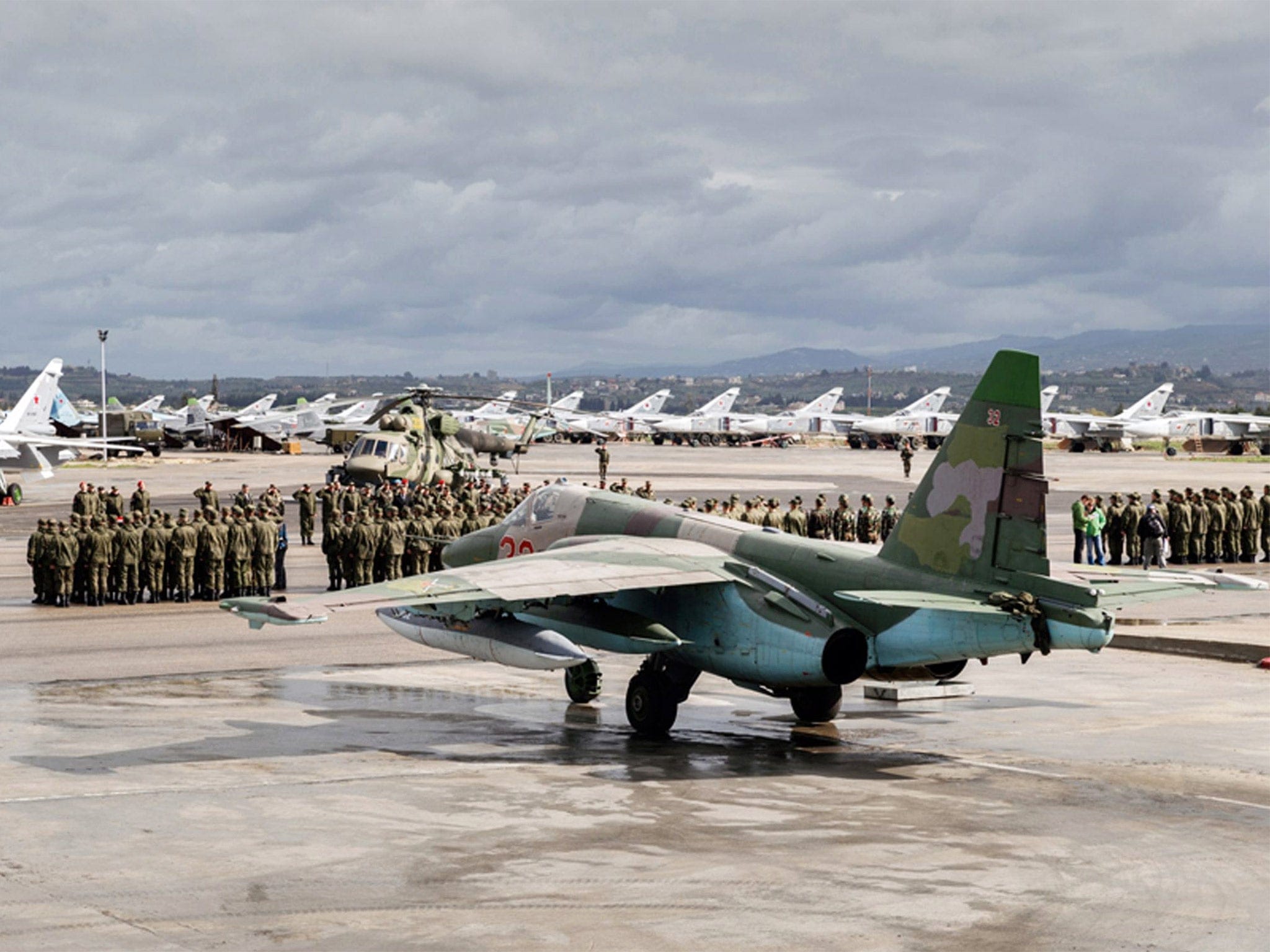
The unprecedented withdrawal of Russian naval forces from Syria has sent shockwaves through international political and military circles. This move, which saw the departure of the entire Russian naval fleet from the Syrian port of Tartus, marks the largest-scale evacuation of Russian military assets from a foreign country in recent years. What factors led to this decision, and how might it impact the region and beyond?
Russian President Vladimir Putin has long maintained a strategic presence in the Middle East, particularly in Syria, through military interventions and support for the Assad regime. This withdrawal, while not entirely unexpected, has generated a great deal of speculation about the reasons behind the decision. Some analysts suggest that Russia’s achievements in stabilizing the situation in Syria have led to a diminishing need for a significant naval presence in the region. Others propose that the move may be aimed at easing tensions with Turkey, which had previously accused Russia of supporting Syrian government forces in operations against Turkish-affiliated rebels. Additionally, ongoing conflicts and strained relations with NATO countries could be factors in Putin’s desire to deescalate tensions and minimize the risk of further confrontation.
As for the implications of this drastic action, there are potentially far-reaching consequences. The reduction of Russian naval presence in Syria may lead to a shift in the regional balance of power, possibly giving Western and NATO countries a chance to increase their influence. Furthermore, this move might affect arms sales and other forms of military cooperation between Russia and Middle Eastern countries. Additionally, it could showcase the evolving nature of international relations and alliances, particularly in the context of the ongoing tensions between Russia and the West.
In conclusion, the withdrawal of Russian naval forces from Syria is a significant geopolitical event with numerous potential ramifications. While the motivations behind this decision may remain unclear, it undoubtedly underscores the complexities of contemporary international relations and the constant flux in the global balance of power.