The impeachment of a sitting president is a significant event in any country, especially in a democratic society where the rule of law is paramount. South Korea has experienced its share of political upheaval, with the impeachment of President Park Geun-hye being one of the most notable instances in recent history. Understanding the circumstances surrounding her impeachment requires an examination of the political, social, and legal factors that converged to initiate this historic process.
Park Geun-hye, who took office in February 2013, became the first female president of South Korea. Her presidency was marked by ambitious economic reforms and a commitment to national security. However, her administration faced mounting criticism over various issues, including allegations of corruption and mismanagement. The situation escalated dramatically in late 2016 when a scandal involving her close confidante, Choi Soon-sil, came to light. Choi was accused of using her connection to the president to exert undue influence over government affairs and to extort money from large corporations.
The revelations surrounding Choi Soon-sil triggered widespread public outrage, leading to massive protests across the country. Citizens demanded accountability and transparency from their elected officials, reflecting a growing discontent with Park’s administration. The protests were characterized by their scale and intensity, with millions of South Koreans participating in demonstrations calling for Park’s resignation. The situation prompted the National Assembly to consider impeachment as a viable course of action.
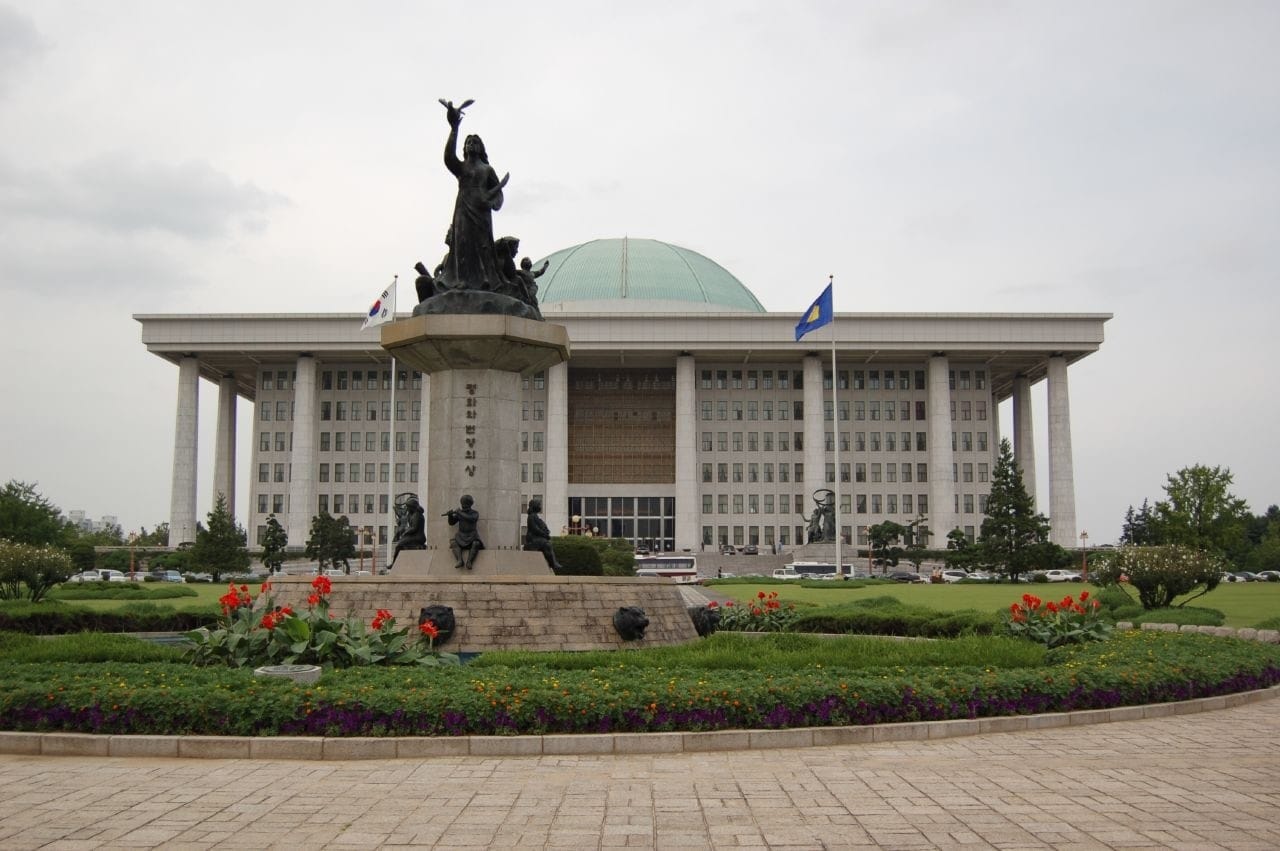
The legal framework for impeachment in South Korea is outlined in the Constitution, which stipulates that a president can be impeached for violations of the law or for misconduct. The process requires a two-thirds majority vote in the National Assembly, followed by a review by the Constitutional Court. If the court upholds the impeachment, the president is removed from office. In December 2016, the National Assembly voted overwhelmingly to impeach Park Geun-hye, citing her involvement in the corruption scandal and her failure to fulfill her duties as president.
The Constitutional Court’s deliberation on the impeachment case lasted several months, during which time Park remained suspended from office. On March 10, 2017, the court delivered its ruling, affirming the National Assembly’s decision and officially removing Park from the presidency. This marked a historic moment in South Korea’s democratic evolution, as it was the first time a sitting president had been impeached and removed from office.
The implications of Park Geun-hye’s impeachment extended far beyond her presidency. The scandal highlighted deep-seated issues within South Korea’s political landscape, including the pervasive influence of chaebols (large family-owned business conglomerates) in politics and the need for greater transparency and accountability in governance. The protests that accompanied the impeachment process also signaled a shift in public sentiment, with citizens becoming increasingly engaged in political discourse and demanding reform.
Following Park’s removal, the country held a presidential election in May 2017, resulting in the election of Moon Jae-in, a candidate who campaigned on a platform of reform and anti-corruption. Moon’s administration has since sought to address the issues that contributed to the political crisis, emphasizing the importance of ethical governance and the need to restore public trust in government institutions.
In conclusion, the impeachment of South Korea’s president serves as a case study of the complexities involved in the intersection of law, politics, and public sentiment. It underscores the importance of accountability in governance and the role of civil society in shaping political outcomes. As South Korea continues to navigate its political landscape, the lessons learned from this episode will likely influence future governance and the relationship between citizens and their elected officials. The country’s experience with impeachment reflects a commitment to democratic principles and the ongoing pursuit of a more transparent and accountable government.