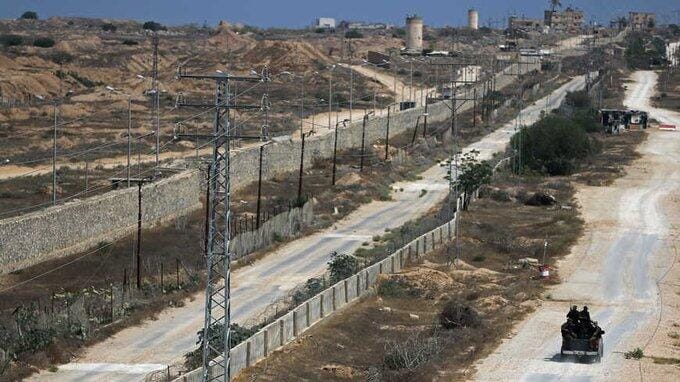
The ongoing conflict between Ukraine and Russia has taken a new turn, with Ukrainian forces intensifying their military operations in the Kursk region of Russia. This development comes amid a backdrop of heightened tensions and ongoing hostilities that have characterized the relationship between the two nations since the onset of the conflict in 2014. The recent escalation in military activity has not only raised alarms within the region but has also drawn attention from international observers who are closely monitoring the situation.
Reports indicate that Ukrainian forces have conducted a series of targeted attacks in the Kursk region, which borders Ukraine. These operations appear to be part of a broader strategy aimed at disrupting Russian military logistics and infrastructure. Local authorities in Kursk have confirmed that several sites have been damaged due to these attacks, leading to increased security measures and a state of alert among residents.
The Kursk region has historically been significant due to its proximity to the Ukrainian border and its strategic importance in the ongoing conflict. As such, it has become a focal point for military operations from both sides. The recent surge in Ukrainian attacks may reflect a calculated decision to apply pressure on Russian forces and disrupt their operational capabilities.
Additionally, the escalation of military activity in this region has implications for the civilian population. Residents of Kursk have reported feeling the impact of the increased hostilities, with some expressing concerns over their safety and the potential for further escalations. The local government has urged residents to remain vigilant and has implemented measures to ensure public safety amid the ongoing conflict.
International reactions to the situation have varied, with some countries expressing support for Ukraine’s right to defend itself against aggression, while others have called for restraint from both sides to avoid further escalation. The conflict has drawn widespread attention, and the recent developments in Kursk are likely to be a topic of discussion in diplomatic circles as nations seek to navigate the complex geopolitical landscape.
The situation in the Kursk region is further complicated by the broader context of the conflict, which has seen numerous shifts in military tactics and strategies over the years. As both Ukraine and Russia continue to adapt to the changing dynamics of warfare, the potential for further escalation remains a concern for regional stability and security.
In addition to military operations, the conflict has also had significant economic implications for both countries. The ongoing hostilities have disrupted trade and commerce in the region, leading to economic hardships for many. As the conflict persists, the economic toll on both Ukraine and Russia is likely to intensify, further complicating efforts toward a peaceful resolution.
As the situation evolves, it is essential for all parties involved to consider the humanitarian implications of the conflict. Civilians in the affected areas are caught in the crossfire, and their safety and well-being should be a priority for both governments. International organizations and humanitarian agencies are closely monitoring the situation and may play a crucial role in addressing the needs of those affected by the ongoing conflict.
In conclusion, the intensification of military operations by Ukraine in Russia’s Kursk region marks a significant development in the ongoing conflict between the two nations. As both sides continue to navigate the complexities of warfare and diplomacy, the potential for further escalation remains a pressing concern. The situation underscores the urgent need for dialogue and negotiation to address the underlying issues fueling the conflict and to work toward a sustainable resolution that prioritizes the safety and security of civilians in the region.