In a significant development in the ongoing conflict between Ukraine and Russia, President Volodymyr Zelensky has confirmed that Ukrainian forces have captured two North Korean soldiers on Russian soil. This announcement has sparked widespread interest and concern regarding the implications of North Korean military involvement in the region, particularly in the context of the ongoing war in Ukraine.
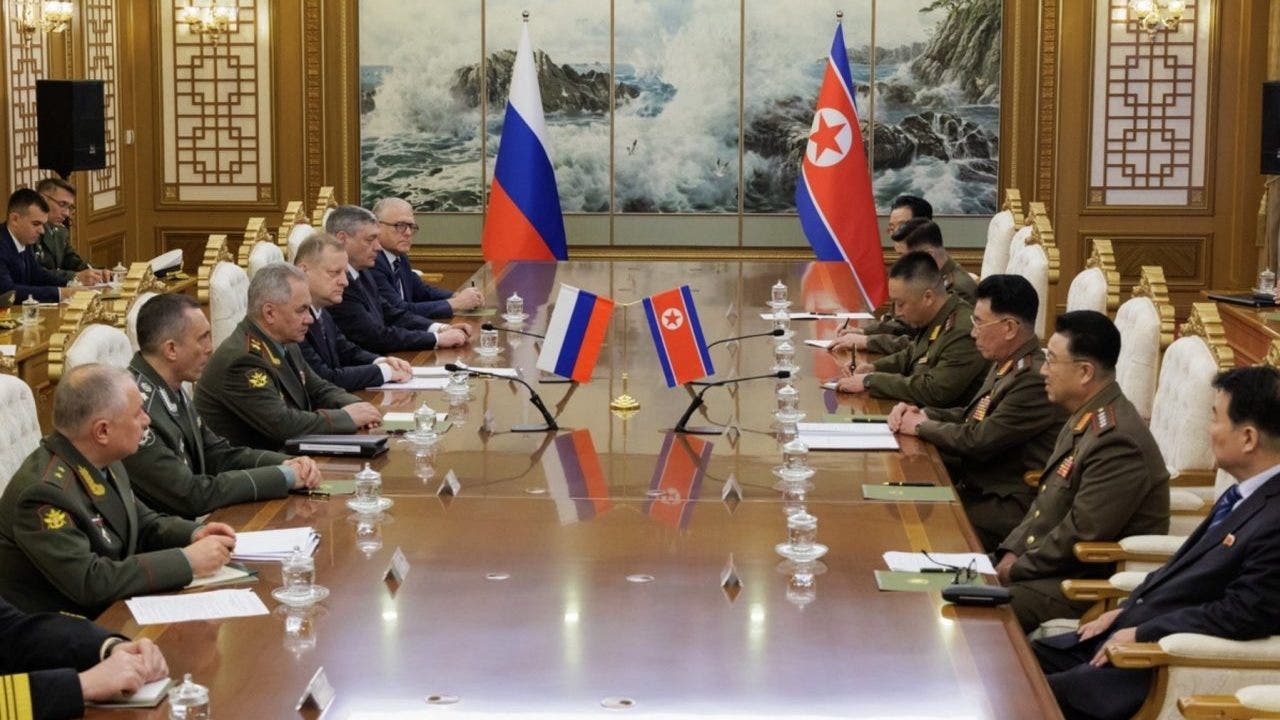
The capture of the North Korean soldiers is notable not only for its immediate military implications but also for the broader geopolitical ramifications it may entail. North Korea, a nation known for its isolationist policies and close ties with Russia, has historically maintained a stance of non-involvement in conflicts outside its borders. However, the presence of North Korean soldiers in Russia raises questions about the extent of military cooperation between North Korea and Russia, especially in light of the ongoing conflict in Ukraine.
Zelensky’s announcement comes at a time when Ukraine is facing significant challenges in its defense against Russian aggression. The war, which began in 2014 with Russia’s annexation of Crimea, has escalated in recent months, leading to increased military activity and a humanitarian crisis in the region. The involvement of North Korean soldiers could indicate a new level of foreign military support for Russia, which may further complicate the situation for Ukraine and its allies.
The capture of the North Korean soldiers also highlights the complex web of international relations in the region. North Korea has been known to provide military support to various countries, and its relationship with Russia has been characterized by mutual interests, particularly in the face of Western sanctions and diplomatic isolation. The presence of North Korean personnel in Russia could signify a strengthening of this alliance, which may have far-reaching consequences for the balance of power in Eastern Europe and beyond.
In response to the capture, Ukrainian officials have expressed their commitment to ensuring the safety and security of their nation. The Ukrainian military has been on high alert, and the government is closely monitoring the situation. The capture of foreign soldiers, particularly from a nation like North Korea, could lead to increased tensions and a potential escalation of hostilities in the region.
International reactions to Zelensky’s announcement have been varied. Some analysts suggest that the involvement of North Korean soldiers could prompt a stronger response from Western nations, who have been providing military and humanitarian support to Ukraine. The situation may also lead to renewed discussions about sanctions against North Korea, particularly if evidence emerges of military cooperation between North Korea and Russia.
Furthermore, the capture of the North Korean soldiers raises questions about the treatment of prisoners of war and the legal implications of their capture. International law provides specific guidelines regarding the treatment of captured soldiers, and the Ukrainian government will need to navigate these complexities as it addresses the situation. The potential for diplomatic negotiations or exchanges involving the captured soldiers could also arise, depending on the reactions of both North Korea and Russia.
As the situation unfolds, it is essential to consider the broader context of the conflict in Ukraine. The war has resulted in significant loss of life and displacement of civilians, and the involvement of foreign soldiers could exacerbate an already dire humanitarian situation. The international community continues to call for a peaceful resolution to the conflict, but the capture of North Korean soldiers adds a new layer of complexity to the ongoing negotiations and discussions.
In conclusion, the capture of two North Korean soldiers by Ukrainian forces in Russia marks a significant moment in the ongoing conflict between Ukraine and Russia. This development raises important questions about international military cooperation, the implications for regional stability, and the treatment of captured personnel. As the situation continues to evolve, it will be crucial for all parties involved to approach the matter with caution and a commitment to finding a peaceful resolution to the conflict.


