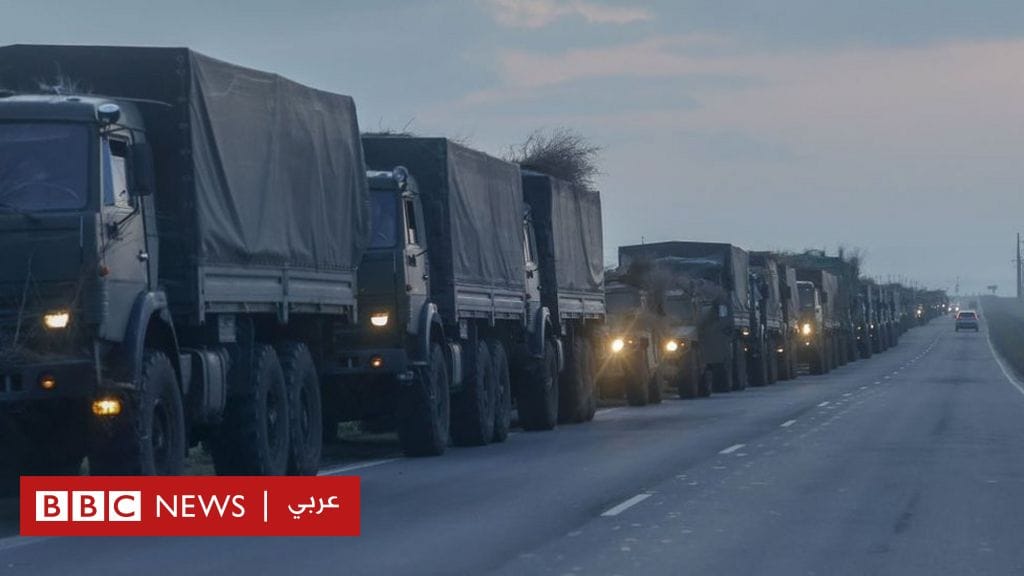
The conflict between Ukraine and Russia has seen numerous phases since its inception, but recent developments indicate a new chapter in this ongoing struggle. Ukrainian military forces have initiated a series of significant strikes on urban areas within Russia, targeting key infrastructure and military installations. This strategic move is seen as an effort to weaken Russia’s operational capabilities and disrupt supply lines that have been critical to its military efforts in Ukraine.
Reports indicate that the strikes have been concentrated in several cities, with a focus on locations that are believed to house military assets or logistical support for Russian operations. The Ukrainian government has not publicly detailed the specific targets, but military analysts suggest that the strikes are aimed at diminishing Russia’s ability to sustain its military presence in Ukraine. This escalation comes amid ongoing tensions and a protracted conflict that has already resulted in significant loss of life and widespread destruction.
The decision to strike within Russian territory represents a significant shift in Ukraine’s military strategy. Historically, Ukraine has focused its military efforts on defending its own territory and repelling Russian advances. However, the recent strikes suggest a calculated risk aimed at shifting the balance of power in the conflict. By targeting Russian cities, Ukraine may be attempting to send a message that it will not be confined to its borders and that it is capable of striking back against its aggressor.
International reactions to these strikes have been mixed. Some nations have expressed concern over the potential for escalation, fearing that such actions could provoke a stronger military response from Russia. Others have voiced support for Ukraine’s right to defend itself and to take measures that it deems necessary for its national security. The situation remains fluid, and the international community is closely monitoring developments as they unfold.
The strikes have also raised questions about the humanitarian implications of such military actions. Urban areas are often densely populated, and military operations in these regions can lead to civilian casualties and significant damage to infrastructure. Humanitarian organizations have called for restraint and emphasized the need to protect civilian lives in the context of military operations. The potential for collateral damage is a serious concern, and the international community is urged to prioritize the safety of civilians in any military engagement.
As the conflict continues, the strategic landscape is evolving. Analysts suggest that Ukraine’s decision to strike within Russia may be influenced by a desire to demonstrate its military capabilities and to bolster domestic morale. The Ukrainian government has faced significant challenges in maintaining public support for the war, and successful military operations can serve to reinforce the narrative of resistance against Russian aggression.
Furthermore, the strikes may also be intended to disrupt Russian military planning and operations. By targeting key infrastructure, Ukraine could hinder Russia’s ability to coordinate its forces and supply its troops effectively. This could lead to a shift in the operational tempo of the conflict, potentially giving Ukraine an advantage in future engagements.
In response to the strikes, Russian officials have condemned the actions as a violation of sovereignty and have vowed to retaliate. The rhetoric from Moscow has intensified, with officials warning of severe consequences for Ukraine’s military actions. This escalation of rhetoric raises concerns about the potential for a broader conflict that could draw in additional regional players and further destabilize the area.
The situation remains precarious, and the potential for escalation is high. As both sides assess their next moves, the international community is urged to engage in diplomatic efforts to de-escalate tensions and seek a resolution to the conflict. The stakes are high, and the consequences of continued military operations could have far-reaching implications for regional and global stability.
In conclusion, Ukraine’s recent military strikes on Russian cities represent a significant development in the ongoing conflict. This shift in strategy highlights the complexities of modern warfare and the challenges of maintaining peace in a volatile region. As the situation unfolds, the world watches closely, hoping for a resolution that prioritizes the safety and well-being of civilians while addressing the underlying issues that have fueled this protracted conflict.