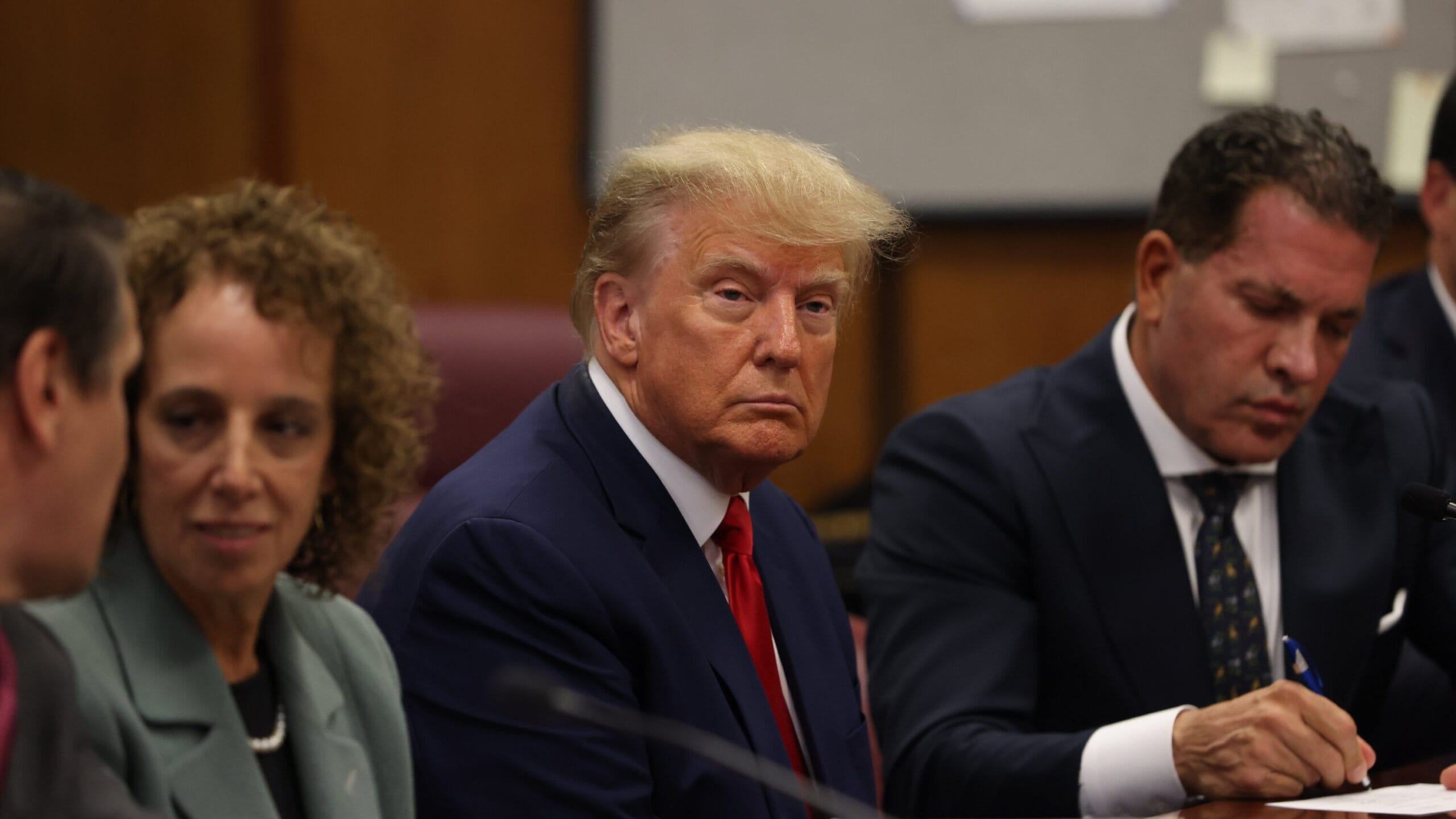
Former President Donald Trump has recently made headlines again as he criticized a judge’s ruling related to his ongoing hush money case. The case involves payments allegedly made during the 2016 presidential campaign aimed at suppressing damaging information. The crux of the issue lies in Trump’s assertion that he is entitled to immunity in this case due to his previous position as president. However, the judge overseeing the case determined that Trump’s immunity claim was not valid, leading to a wave of responses from Trump and his legal team.
Following the judge’s decision to reject the immunity claim, Trump took to social media to express his discontent. He characterized the ruling as a misguided and politically charged attack on his reputation. Trump’s remarks highlighted his belief that the legal system is being utilized to undermine him, a statement that reflects his longstanding narrative regarding the judicial process and its intertwining with political motivations.
The controversy surrounding the hush money payments peaked during the 2016 presidential campaign when allegations emerged that Trump had made illicit payments to silence claims of extramarital activities. While the payments themselves were allegedly handled through intermediaries, the implications of these actions have led to significant legal scrutiny of Trump’s conduct. The case offers a broader reflection of the challenges facing political figures in the modern era, where legal ramifications can accompany campaign strategies.
Trump’s legal team has consistently argued that the former president should be shielded from criminal liability due to his position in office. They maintain that he acted within the bounds of his duties as president, asserting that the actions in question were related to safeguarding his reputation and the integrity of his campaign. The rejection of this claim marks a critical moment in the case, as it sets the stage for further proceedings without the protective layer Trump sought.
In the aftermath of the judge’s ruling, legal analysts have begun to speculate on the potential consequences for both Trump and the case itself. Many view the decision as a pivotal development that could impact how other legal challenges against Trump are navigated. The ruling raises questions about the interplay between presidential responsibilities and the scope of legal immunity, particularly in cases that involve personal conduct outside of official duties.
The dismissal of Trump’s immunity claim has also ignited a renewed discussion about accountability for public officials. In recent years, there has been an increasing demand among the public and some lawmakers for transparency and accountability for individuals in high office. The discussions surrounding Trump’s case could serve as a catalyst for further examination of how immunity and legal protections are applied to current and former elected officials.
Despite the judge’s ruling, Trump continues to maintain a significant following among his supporters, many of whom view the legal challenges he faces as part of a broader political agenda aimed at sidelining him from the political landscape. Trump’s persistent rhetoric surrounding perceived political persecution plays a crucial role in rallying his base, who see him as a fighter against an establishment they believe seeks to undermine their interests.
As the legal proceedings move forward, it remains to be seen how this ruling will influence the trajectory of the case and its implications for Trump’s political future. Should the case advance to trial, the ensuing public discourse will likely examine the intersection of law, politics, and public perception in an increasingly polarized environment.
In conclusion, the rejection of Trump’s immunity claim marks a significant turning point in the ongoing legal saga surrounding him. The implications of this decision extend far beyond the courtroom, touching upon themes of accountability, political motivations, and the responsibilities of public officials. As the situation unfolds, observers will undoubtedly continue to monitor how these developments shape both the legal landscape and the political narrative in the United States.