As winter settles in across the Midwest, Missouri is bracing for a significant winter storm that is projected to impact various regions of the state. Meteorologists have been closely monitoring the storm’s development, which is expected to bring a combination of heavy snowfall, freezing rain, and strong winds, leading to hazardous conditions for residents and travelers alike.
The storm system is currently moving across the central United States, gathering strength as it approaches Missouri. Forecasts indicate that the storm will begin to affect the state late in the evening, with the heaviest precipitation expected overnight into the early morning hours. Areas in the northern and central parts of Missouri are predicted to receive the most significant snowfall, with accumulations potentially reaching up to a foot in some locations. Meanwhile, southern regions may experience a mix of rain and sleet, complicating travel and increasing the risk of ice-related incidents.
Local authorities have been proactive in their preparations for the storm. The Missouri Department of Transportation (MoDOT) has mobilized crews to treat and clear roads in anticipation of the incoming weather. Salt trucks and snowplows are on standby, ready to respond as conditions deteriorate. Officials are advising residents to avoid unnecessary travel during the storm, as road conditions may quickly become treacherous. In particular, black ice and reduced visibility are expected to pose significant risks for drivers.
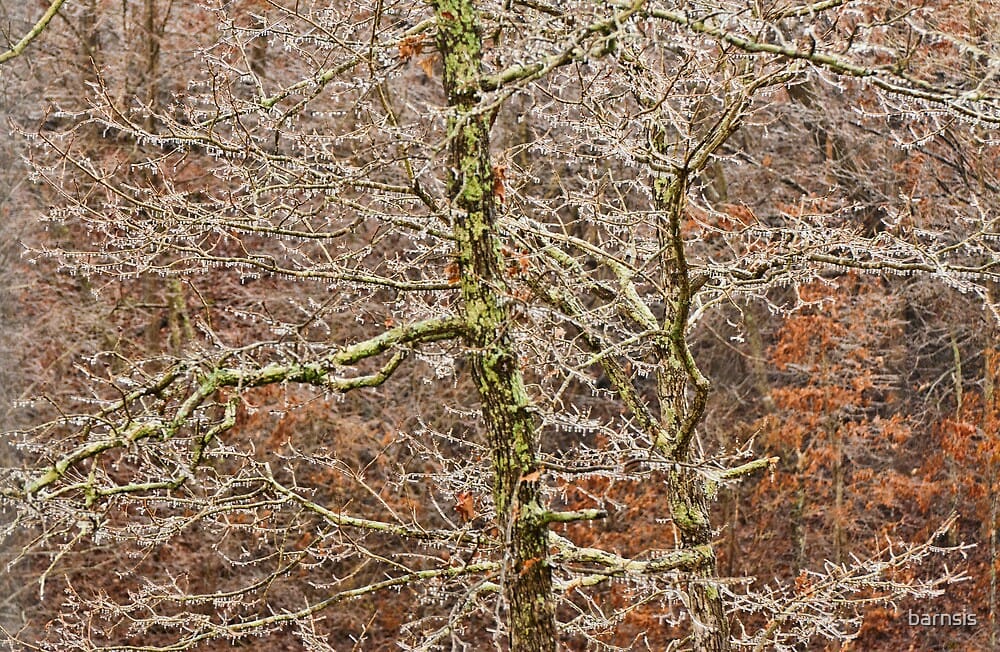
In addition to travel advisories, emergency services are preparing for potential power outages that could result from ice accumulation on trees and power lines. Utility companies are monitoring the situation closely and are prepared to deploy crews to restore power as quickly as possible should outages occur. Residents are encouraged to have emergency kits ready, including flashlights, batteries, non-perishable food, and water, in case of prolonged outages.
Schools and businesses across the state are also making adjustments in response to the storm. Many school districts have announced closures or delayed openings, prioritizing the safety of students and staff. Businesses are assessing their operational plans, with some opting to allow employees to work from home or adjusting hours to minimize travel during the storm.
As the storm progresses, meteorologists will continue to provide updates on its path and intensity. The National Weather Service has issued winter storm warnings and advisories for various parts of Missouri, urging residents to stay informed and prepared. These alerts include information on expected snowfall totals, ice accumulation, and wind speeds, all of which can significantly impact daily life.
In addition to the immediate impacts of the storm, officials are also reminding residents to consider the longer-term effects of winter weather. Prolonged exposure to cold temperatures can lead to health risks such as hypothermia and frostbite. Residents are advised to dress in layers and to limit time spent outdoors during extreme cold. Additionally, those with medical conditions or mobility issues should have a plan in place to ensure their safety and access to necessary supplies.
As the storm unfolds, communities across Missouri are coming together to support one another. Local organizations and volunteers are coordinating efforts to assist vulnerable populations, including the elderly and those with disabilities. These initiatives may include providing transportation to medical appointments or delivering food and supplies to those unable to venture out.
In conclusion, Missouri is preparing for a significant winter storm that poses various challenges to residents and local infrastructure. As the storm approaches, staying informed and taking necessary precautions will be essential to ensuring safety. Authorities will continue to monitor the situation and provide updates as the storm progresses, and residents are encouraged to heed warnings and advisories. By working together and supporting one another, communities can navigate the impacts of winter weather more effectively.