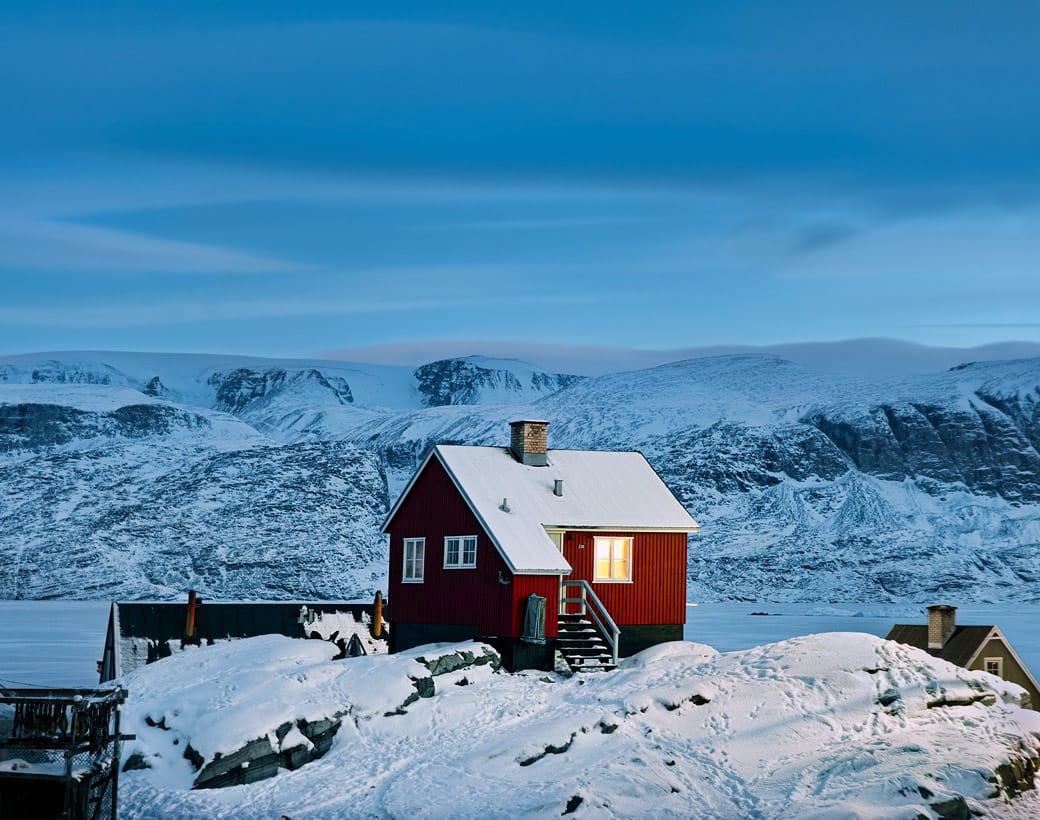
The interest of former President Donald Trump in acquiring Greenland has generated a considerable amount of dialogue and speculation regarding the future of this vast Arctic territory. Greenland, an autonomous territory of Denmark, is rich in natural resources and strategically located, making it a focal point for geopolitical interests. As discussions surrounding this topic continue, it is essential to consider four potential scenarios that could emerge from Trump’s aspirations.
The first scenario involves a diplomatic approach between the United States and Denmark. In this scenario, the U.S. government could engage in formal negotiations with Denmark to explore the possibility of a sale or lease of Greenland. This would require a delicate balance of diplomacy, as Denmark has historically maintained a strong stance on its sovereignty over Greenland. If both parties can find common ground, this scenario could lead to a mutually beneficial agreement that addresses economic development and security concerns in the Arctic region. Such an agreement could also enhance U.S.-Denmark relations, fostering collaboration on various issues, including climate change and defense.
The second scenario could see increased tensions between the United States and Denmark. If the U.S. were to pursue aggressive actions to assert its interest in Greenland, it could lead to a diplomatic fallout. Denmark may perceive such actions as a threat to its sovereignty, prompting a strong response from the Danish government. This scenario could escalate into a broader geopolitical conflict, drawing in other nations with interests in the Arctic, such as Russia and China. The implications of such a conflict could be far-reaching, affecting international relations and security dynamics in the region.
A third scenario involves the potential for economic development in Greenland, regardless of the outcome of Trump’s interest. Greenland is known for its vast mineral resources, including rare earth elements, which are increasingly important for modern technology. If the U.S. were to invest in Greenland’s infrastructure and resource extraction, it could lead to significant economic growth for the territory. This scenario could also attract other foreign investments, as countries recognize the strategic importance of Greenland in the context of global supply chains. However, this development would need to be approached with caution, considering the environmental impact and the rights of the indigenous population.
The fourth scenario centers on the environmental implications of increased U.S. interest in Greenland. As climate change continues to affect the Arctic region, the melting ice caps are revealing new opportunities for resource extraction and shipping routes. However, this also raises concerns about the environmental consequences of such activities. If the U.S. were to pursue aggressive resource extraction in Greenland, it could lead to significant ecological damage, impacting local wildlife and indigenous communities. This scenario highlights the need for a balanced approach that prioritizes environmental sustainability while addressing economic interests.
In conclusion, the future of Greenland in light of Trump’s interest presents a complex landscape of possibilities. Each scenario carries its own set of implications for international relations, economic development, and environmental sustainability. As discussions continue, it is crucial for all stakeholders to engage in constructive dialogue that considers the diverse interests at play. The outcome of this saga will not only shape the future of Greenland but also influence broader geopolitical dynamics in the Arctic region and beyond.